
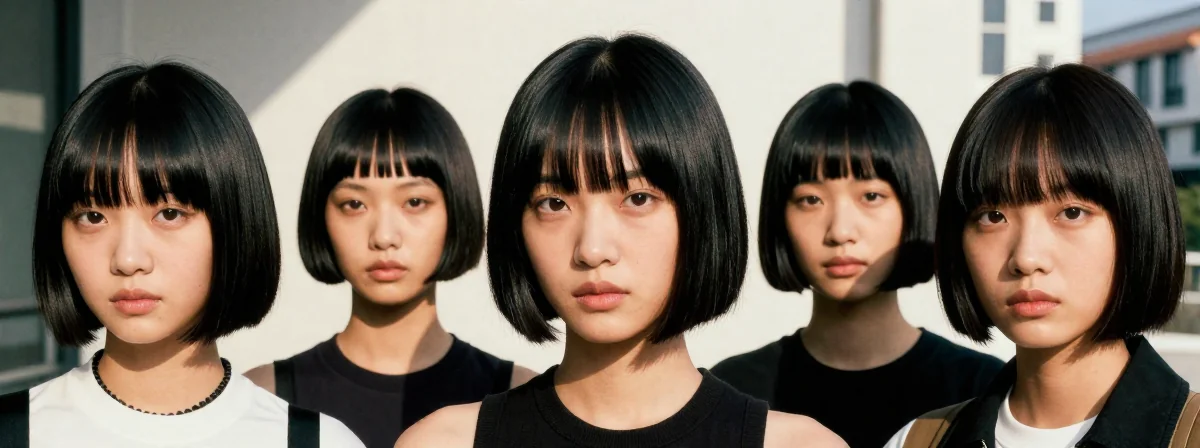
You walk into the gym, and suddenly it hits you — not the weights, but the hair. Every other guy in the free-weight section looks like he’s sporting a rogue vegetable on his head. That’s right: the broccoli cut is everywhere, and if you’re scratching your head wondering why, you’re not alone. It’s more than just a haircut; it’s a cultural moment, a hairstyle that’s dividing opinions faster than a bad Tinder bio. Let’s unpack what’s really going on here.
What Research Shows
The Broccoli Cut Isn’t Accidental — It’s Deliberate.
You might’ve thought those curly, overgrown tops were just a result of lazy hair care. Nope. The broccoli cut is a purposeful fade with a perm on top, often styled to resemble — you guessed it — a piece of broccoli. It’s a modern twist on the classic perm, minus the ’90s cringe (mostly). Think Justin Timberlake’s frosted curls, but without the frost, and with a bit more volume. The fact that people are actively choosing this look says something about how we view hair today.Perms Have Had a Tech Upgrade — Seriously.
Remember perms from the ’80s and ’90s? They were often a disaster — tight, unnatural curls that screamed “I gave in to peer pressure.” Today’s perms are different. Stylists have refined the process to create softer, more natural waves. No more crunchy, chemical-smelling hair. Now, perms can give you beachy waves or gentle curls that actually look good. It’s like the difference between dial-up internet and 5G — same basic idea, but one actually works.This Isn’t Just a Trend — It’s a Reclamation.
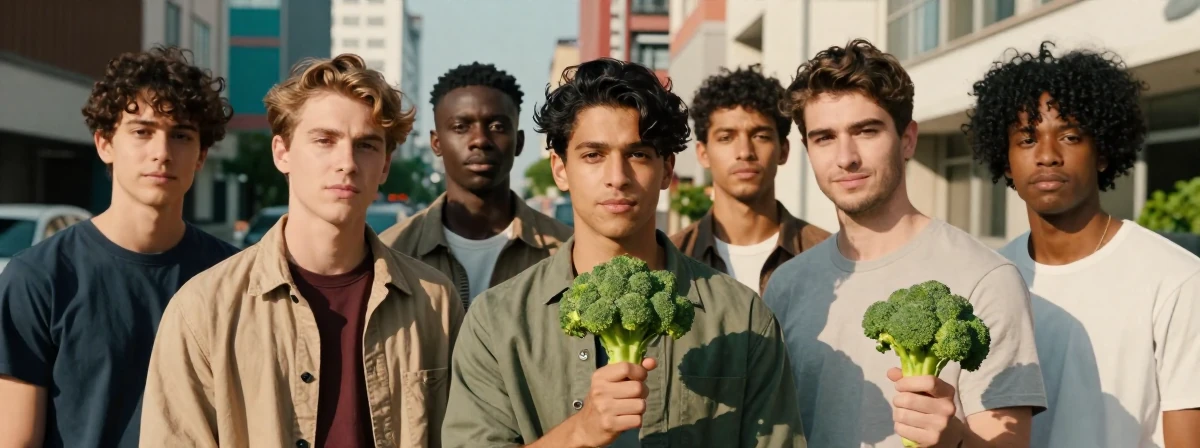
For years, curly hair was something to be tamed, straightened, or hidden. Now, it’s being celebrated. The broccoli cut is part of a broader movement where people, especially young men, are embracing their natural texture or enhancing it with perms. It’s a quiet rebellion against the pressure to conform to straight, short hair. And honestly? It’s about time. Curly hair is beautiful, and if a perm helps someone feel confident, who are we to judge?
- Uniformity Is the Real Head-Scratcher.
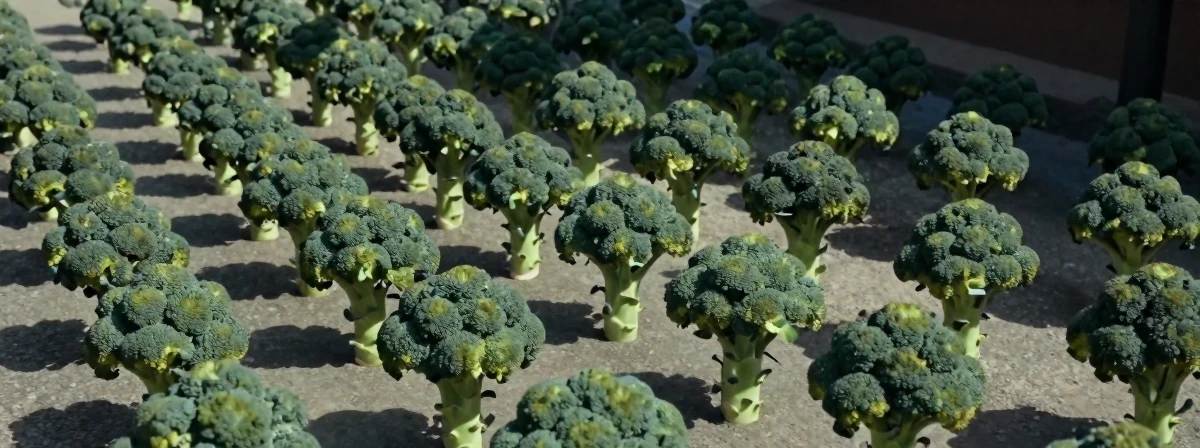
Here’s the thing that’s genuinely interesting: unlike past trends where multiple styles coexisted, today it feels like everyone’s jumping on the exact same aesthetic. Broccoli hair, tight clothes, Stanley cups — it’s a full package. And while it’s cool that young people have a strong sense of style, it’s also a bit jarring to see so many people looking identical. It’s like a real-life version of those conformity experiments from psychology class. Are we losing individuality in the pursuit of a viral look?
The Broccoli Cut Will Be Retro Someday.
Just like mullets and frosted tips, the broccoli cut will eventually cycle back around. In 20 years, some teenager will post a vintage-inspired broccoli cut on TikTok, and suddenly it’ll be “cool again.” Fashion and hair trends are cyclical, and what seems outrageous today will be nostalgic tomorrow. So maybe instead of cringing, we should appreciate the creativity — even if it does make us think of vegetables.It’s a Generational Divide — And That’s Okay.
If you’re rolling your eyes at the broccoli cut, you’re not alone. Every generation looks at the next one and thinks, “What are they thinking?” My high school self had long hair that drove my parents nuts, and I’m sure their generation thought I was ridiculous. The key is to remember that this is just today’s version of self-expression. What seems weird now will be normal in a few years, and something new will take its place. The cycle never ends.
So the next time you see someone with a broccoli cut, take a breath. It’s not just a hair trend — it’s a sign of changing attitudes toward hair, identity, and individuality. And who knows? Maybe one day you’ll look back and miss the days when broccoli hair was a thing. After all, trends are what make history interesting.