

The world keeps looking for the next Ireland — that tiny island that somehow became a powerhouse. But you’re not just reading about history here. You’re uncovering the playbook of how a nation can reinvent itself. Because the truth is, Ireland didn’t just get lucky. They made choices. Bold, controversial, game-changing choices that transformed their destiny.
Time to Level Up
Corporations Wrote the Tax Code (And It Worked)
Imagine letting the people you’re trying to attract help design the rules. That’s what Ireland did in the 90s. They opened the doors to multinational corporations and basically said, “How can we make it work for you?” The result? Every English-speaking global giant set up shop there. It wasn’t altruism — it was strategic genius. They became the European headquarters hub before “hub” was even a buzzword. The tax haven status wasn’t just a label; it was a deliberate strategy to attract investment like never before.Education Was the Secret Weapon
While everyone else was talking about tax breaks, Ireland was investing in its people. Years of pouring resources into education created a workforce that could handle anything. Add dairy research (yes, dairy!) that unexpectedly made them experts in sterile environments — perfect for pharmaceuticals. Suddenly, Ireland wasn’t just an island; it was a high-tech lab with a population ready to innovate. This wasn’t luck; it was foresight. They built the foundation while others were still debating the door handles.Botox Was Just the Beginning

You heard that right. Literally the entire global supply of Botox comes from Ireland. And that’s just one example. Ireland became the unexpected king of pharmaceutical production. How? Because they combined EU development grants with their own strategic investments. They became an “untapped resource” that corporations couldn’t ignore. It wasn’t about having the best scientists (though they did); it was about creating the ecosystem where those scientists could thrive. The farmers driving BMWs? That wasn’t just farming income — that was the ripple effect of industrial growth hitting rural areas.
- Hollywood’s Unsung Savior
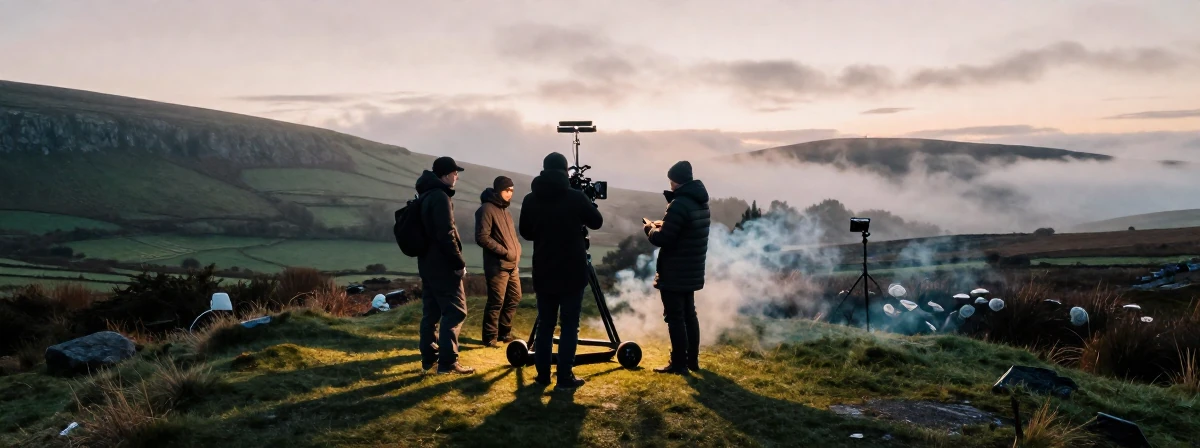
While you were watching movies, you might have missed this: Ireland single-handedly kept Hollywood alive during tough times. They offered tax incentives so attractive that production companies flocked there. The result? Those “mortician-taken-care-of” faces you see in movies? Often filmed on Irish soil. This wasn’t just about economics; it was about creative partnership. Ireland didn’t just want money; they wanted to be part of the story.
The “Celtic Tiger” Was Real
Remember the Celtic Tiger? That wasn’t just a nickname — it was a phenomenon. Ireland’s economic growth in the late 90s and early 2000s was nothing short of astonishing. They didn’t just participate in the EU; they leveraged membership to create their own path. The combination of tax policy, education investment, and strategic industry focus created something rare: a self-reinforcing cycle of growth. It worked wonders, and yes, it’s the kind of success story you rarely hear on forums because, let’s face it, it’s not easily replicable. But that doesn’t make it any less real.The Dark Side of Success
But here’s the thing no one talks about: Dublin became hideously unaffordable. The influx of foreign professionals drove housing prices through the roof. And because the city was unwilling to build up, the problem only got worse. The economic miracle had a human cost. This is the uncomfortable truth behind every success story: progress often comes with compromises. The lesson? Growth without planning isn’t growth at all — it’s just a temporary boom.Not Every Famine Is Recognized
We can’t talk about Ireland without acknowledging the Great Hunger. For nearly two centuries, the population hasn’t recovered. The British exported food while Irish people starved — not because there wasn’t enough, but because the system was designed to extract wealth. Charles Trevelyan, the British official in charge, actually called it “a punishment from God.” They didn’t just fail to act; they actively hindered relief efforts. Ireland is the only country in Europe with fewer people now than in 1840. That’s not just history — that’s a wound that still affects the nation’s psyche.
Make It Happen
The Irish story isn’t just about economics; it’s about resilience. It’s about taking control when no one else will. They didn’t wait for permission to reinvent themselves. They didn’t apologize for their success. And they didn’t forget their history. The real takeaway? Success isn’t about being perfect — it’s about being strategic. It’s about knowing what you want and having the courage to build it, even when others say it can’t be done. Ireland didn’t just find a loophole in the system; they created a new system. And that’s the kind of thinking that changes everything.