
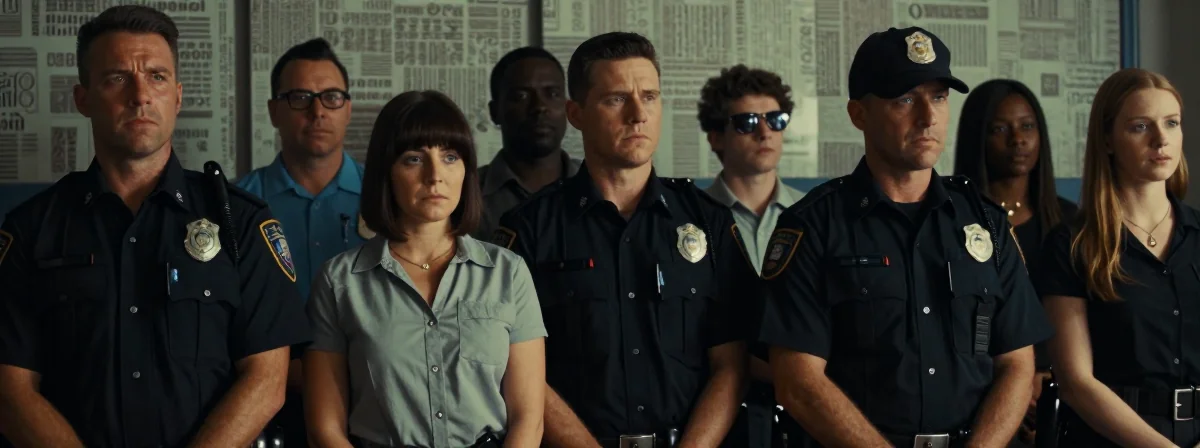
Some days, life hands you moments that feel ripped from a TV drama. I was strolling down a busy London high street, minding my own business, when a plain-clothed police officer stopped me. “Excuse me,” he said, “would you mind helping with a line-up?” The police station was just twenty meters away. I had no idea I was about to learn a harsh lesson about how justice really works—not on TV, but in the messy reality of human memory.
The Wisdom
Being in a lineup isn’t about being a suspect—it’s about being a prop.
The officer led me to the station, where I stood among four other men who, frankly, could’ve been my brothers from another mother. Same height, same build, similar coloring. We were all just filler, there to test the limits of a witness’s memory. No one asked me where I was on the night of the crime. No one frisked me. They just needed to make sure the real suspect stood out—or didn’t. It’s a humbling reminder: in the grand scheme of justice, you’re often just a detail.Eyewitness testimony is as fragile as a house of cards.
Eyewitness accounts are the bread and butter of crime dramas, but in real life? They’re notoriously unreliable. Our memories aren’t recordings—they’re reconstructed every time we recall them. Stress, time, and even leading questions can warp what we “remember.” That’s why lineups exist: to catch the cracks in a witness’s story. If you point at the wrong guy, it doesn’t mean you’re lying; it means memory is messy.The cops already know who they think did it.
This was the biggest revelation. Lineups aren’t usually about finding the culprit—they’re about confirming the suspect they’ve already arrested. It’s like a double-check to make sure the witness isn’t just picking the person who looks shifty. If the witness points at the suspect, great. If they point at you, the random guy off the street? It just means the witness’s memory isn’t solid enough to rely on. It’s a quiet, bureaucratic truth: the system is built on doubt, not certainty.
- Even the silliest details matter.
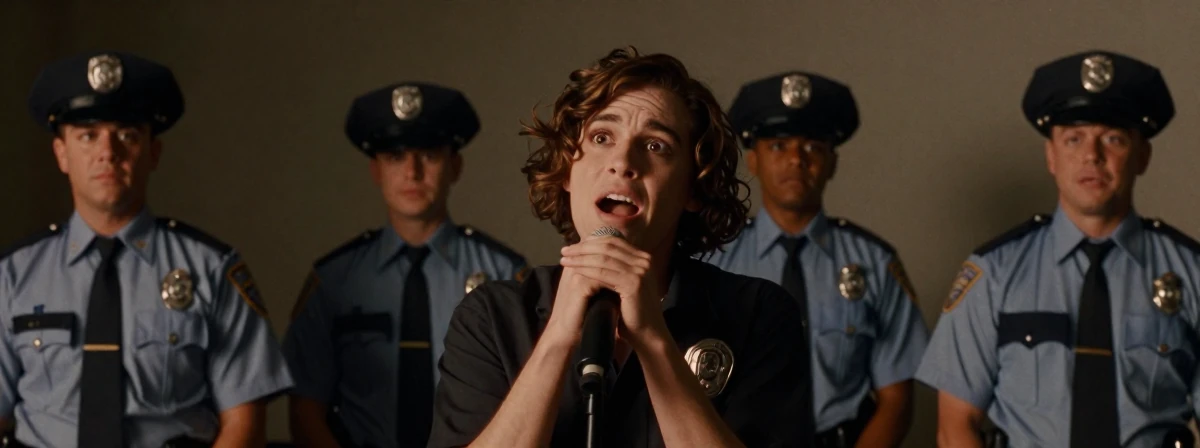
You’d think a lineup is all serious business, but I’ll never forget one bizarre request: “Can someone sing the opening to ‘I Want It That Way’?” Turns out, the real suspect was known for humming that song. It sounds absurd, but it’s a perfect metaphor for how justice works—piecing together tiny, odd clues to build a bigger picture. Sometimes the truth is hidden in the strangest places.
Being paid to stand in a lineup is oddly empowering.
Some stations pay civilians for their time. I’ve heard of £5 in Scotland, $20 in Chicago—small sums for ten minutes of standing around. It’s a strange transaction: you’re literally being paid to be a human prop in the machinery of justice. But it’s also a reminder that the system relies on ordinary people. You’re not just a witness or a suspect; you’re a participant in something bigger. It’s a small taste of how justice is built, one person at a time.Technology might change, but human fallibility won’t.
These days, lineups are often digital—mugshots on a screen instead of people in a room. But does that fix the problem? Not really. If a witness picks the only photo that doesn’t look like AI-generated slop, does that make it more reliable? Probably not. The core issue remains: human memory is flawed. Whether it’s a live lineup or a digital one, the truth is still tangled in the messy web of what we think we saw.
What to Remember
The next time you hear about a witness identifying a suspect, pause for a second. Think about the man I was standing next to in that lineup—just another face, another detail in a system that’s trying its best to make sense of chaos. Justice isn’t a clean, Hollywood script. It’s a series of imperfect steps, guided by flawed humans and fallible memories. And sometimes, the most honest thing you can do is admit: I don’t know. That’s not a failure—it’s the starting point of truth.