
You ever look at a painting and think, “This is fire, but… how was it made?” Like, some of that art hanging in museums? It’s got stories that’ll make your brain do a little backflip. And trust me, the weirder the material, the more you wanna know. Because honestly? Some of this stuff is wild.
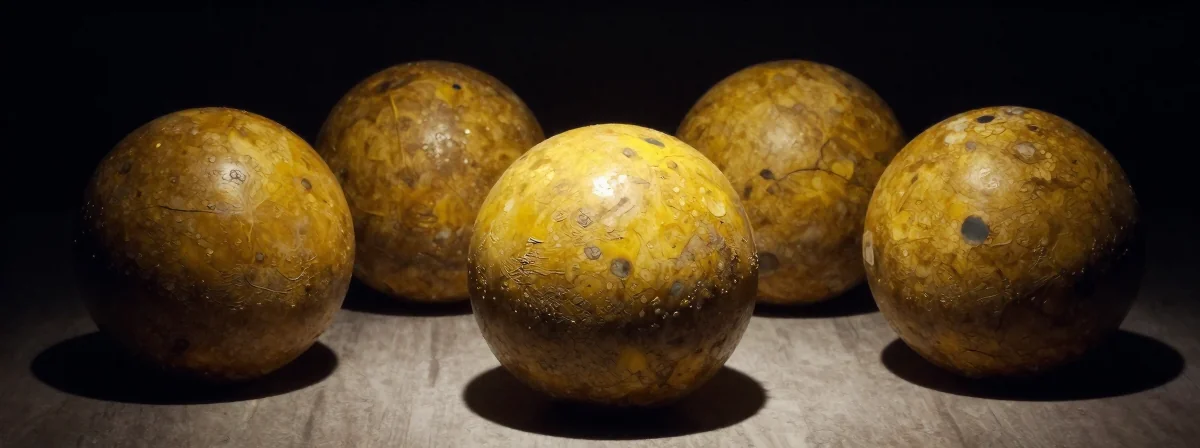
Like, imagine this: someone took a bunch of pee, let it dry into a ball, and then used it to make paint. Yeah, you read that right. Piss balls. And it’s not even the weirdest one. There’s mummy brown, which is exactly what it sounds like. The art world’s got some dark secrets, and nobody’s talking about them.
And before you think I’m making this up? I wish. This is legit history. Artists back in the day would try anything to get the perfect color. Sometimes it worked… sometimes it was just, what were they thinking?
Why Would Anyone Make Paint From Pee?
Okay, so the “piss balls” thing? It’s actually called Indian yellow. Legend has it, they’d collect cow pee, let it dry, and turn it into this bright yellow pigment. Like, who decided, “Yeah, let’s make art from dried pee”? Probably the same person who thought, “Mummies? Ground up? Perfect for paint.”
But here’s the wild part: it wasn’t just some random idea. They needed vibrant colors, and back then, options were limited. So they’d evaporate the pee, knead it into a ball, and let it dry. The end result? A yellow that was so bright, it became a status symbol. Only the rich could afford it.
And if you’re thinking, “That’s disgusting,” yeah, I get it. But the art world has always been about pushing boundaries. Even if those boundaries are, like, “Is this ethical?”
Mummy Brown: The Pigment That’ll Give You Nightmares
And then there’s mummy brown. This one’s even crazier. They literally ground up Egyptian mummies, mixed it with binding agents, and used it as paint. Like, actual mummies. Not just any mummies—rich people’s mummies, because why not?
The craziest part? It was popular for centuries. Artists loved it because it gave this deep, rich brown that was hard to replicate. And the wealthy? They’d throw “mummy unwrapping” parties. Yeah, you guessed it—they’d unwrap mummies, look at them, and sometimes even eat parts of them. Like, “Here, have some mummy crackers.” No thanks.
But here’s the kicker: they eventually ran out of mummies. Like, oops, we used up all the dead people. So mummy brown went extinct. And if that doesn’t make you question humanity, I don’t know what will.
The Science Behind the Weirdness
Now, let’s break it down. How did they even do this? For Indian yellow, they’d collect massive amounts of cow pee, let it evaporate, and scrape the residue off metal sheets. Then they’d pack it into a ball and let it dry further. It’s like… piss hash. But for art.
And for mummy brown? They’d grind up the whole mummy—bandages, bones, everything. It’s the kind of thing that makes you wonder, “Were they high?” Probably not, but the lack of regulations back then? Wild.
But here’s the thing: some of these pigments were actually good. They produced colors that were hard to find otherwise. So even though it’s gross, you kinda have to respect the innovation.
The Dark Side of Art’s Obsession With Rare Materials
And while we’re on the topic, let’s talk about the why. Why would anyone go to these extremes? It’s all about rarity. The harder something was to get, the more valuable the art became. It was like, “I used this pigment that only exists because of dead people, so my painting is worth more.”
But it’s not just about value. It’s about the story. Every weird pigment has a backstory. Like, did you know some Chinese doctors used to boil down pee and press it into pills? Supposedly, it was for health reasons. And chamberlye, which is ammonia made from pee, was used in smelling salts. So yeah, pee’s got more uses than you think.
But the real question is: would you ever use these pigments if you could? Probably not. But knowing they exist? That’s half the fun.
The Legacy of Bizarre Pigments
So what’s the deal with all this? Why does it even matter? Because art isn’t just about aesthetics. It’s about history, culture, and sometimes, just straight-up weirdness. These pigments tell us about the lengths people would go to for beauty.
And while we don’t use mummy brown or Indian yellow anymore (thank god), the stories behind them? They’re still out there. Like, “Hey, that Van Gogh painting? The moon and stars? Made from pee.” Bet you didn’t see that coming.
But here’s the real takeaway: art is whatever you make it. And if that means making paint from dried piss or ground-up mummies, then so be it. At least they didn’t run out of teriyaki-style mummies, right?
Because if there’s one thing we learned today, it’s that the art world will always have secrets. And some of them? They’re just too good not to spill.