
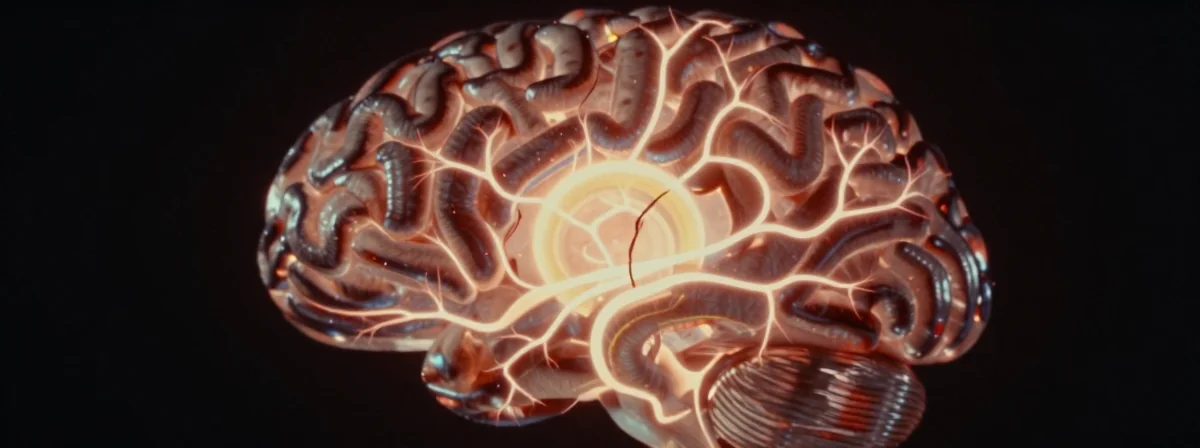
Some days you just know something’s off. No logic, no data—just a visceral certainty that makes you pause. That’s your subconscious mind screaming over the noise. It’s the same system that taught you how to eat a hot dog without thinking about it, now warning you about something far more complex.
This isn’t about spirituality or hunches. It’s about the messy, brilliant, and sometimes broken way your brain handles more information than you could ever consciously process.
The Practical Side
Your Brain Is a 99% Black Box—And That’s a Good Thing
You’re only aware of about 1% of what your brain actually does. The rest runs in the background, handling everything from breathing to recognizing faces. If you had to consciously manage all that, you’d be paralyzed by information overload. Your “gut feeling” is that 99% whispering through the door—sometimes useful, sometimes just noise.
It’s like having a co-pilot who’s seen this road a hundred times. You might not agree with their sudden lane change, but they’ve been driving longer than you have.Evolution Gave You a Shortcut, Not a Crystal Ball

That instant fight-or-flight response? It’s an evolutionary hack. Your subconscious processes threats faster than your conscious mind can even register them. This is why you can spot danger before you think you’re scared.
But evolution doesn’t care about accuracy—just survival. So your brain will also yell “TIGER!” at shadows, fake news, or someone who just reminds you of your ex. The system isn’t perfect, but it’s better than nothing when milliseconds matter.
- You’ve Got a Second Brain in Your Gut (Seriously)
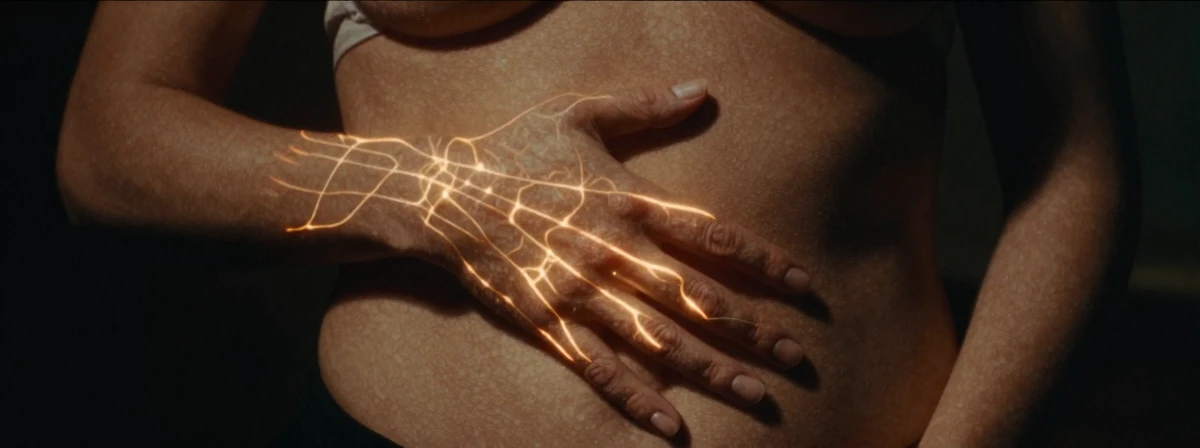
Your stomach lining has as many neurons as a housecat. This “enteric nervous system” communicates directly with your brain via the vagus nerve. When your gut clenches or your heart races, it’s not just a metaphor—it’s a literal conversation between your organs and your mind.
Think of it as your body’s smoke detector. Sometimes it’s a fire, sometimes it’s just burnt toast. But you’d be foolish to ignore the alarm entirely.
Pattern Recognition Is Your Superpower—and Your Weakness
Your brain excels at spotting patterns, even when they’re not there. That’s why you see faces in clouds and why a slightly-off tone of voice can trigger a trauma response.
The same system that helps you recognize a friend across a crowded room can also make you distrust someone because they share a random trait with someone who wronged you. It’s fast, but it’s not fair.Trauma Rewrites Your Internal Alarm System
Some gut feelings aren’t warnings—they’re scars. A friend of mine can spot their abuser across a room, years after the abuse. Their body still screams danger at anything that remotely matches the threat.
This isn’t intuition; it’s a broken siren. The brain learned the wrong lesson, and now it’s stuck playing the same emergency recording. Therapy can help, but some triggers never fully fade. They just become part of the background noise.Meditation Can Decode Your Gut Feelings
Ever paused to ask, “Why do I feel this way?” and actually found an answer? That’s your conscious mind catching up with the subconscious. Meditation and mindfulness aren’t about emptying your mind—they’re about listening to the chatter you usually ignore.
Sometimes you’ll find a valid reason behind that “weird feeling.” Other times, you’ll realize you’re just stressed about a deadline from last week. Either way, you’re turning a vague sensation into real information.Your Subconscious Is a Terrible Explainer
You can “feel” the next number in a Sudoku puzzle or know how to draw without overthinking it. But ask why, and you’re stuck. That’s because your subconscious does the heavy lifting while your conscious mind gets the credit.
It’s like a chef who follows a recipe perfectly but can’t tell you why they added salt at step 3. The system works, but the documentation is missing.
Is It Worth It?
Your gut feeling isn’t infallible, but it’s not useless either. It’s the difference between a reflex and a thought-out decision—sometimes one is better, sometimes the other. The key is learning when to trust it and when to say, “Hold on, let me think about this.”
Because in the end, your brain’s secret weapon is also its biggest blind spot. And that’s something worth paying attention to.