
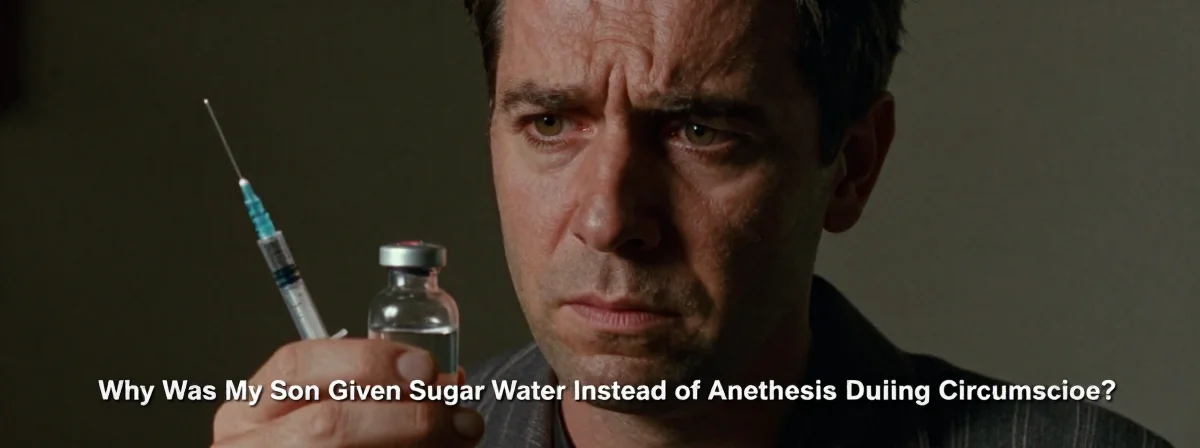
Have you ever watched a medical procedure performed on your newborn and felt a knot tighten in your stomach? I remember holding my son just days after birth, watching nurses prepare him for circumcision, and hearing them mention “sugar water” as pain relief. It felt wrong somehow - like offering a drop of water to someone drowning. This isn’t just a personal concern; it represents a troubling chapter in medical history that many parents unknowingly participate in today.
I’ve seen this conversation play out in countless hospital rooms over the years. From my decades in healthcare, I’ve witnessed how deeply ingrained certain practices become, even when evidence shows they’re inadequate. Let’s unpack why this practice persists and what parents should know.
What Was Considered Pain Management for Circumcisions Until Recently?
Back in the 90s, medical schools were still teaching nurses that sugar water alone was sufficient pain control for circumcision. I remember one particularly difficult procedure I had to observe - the infant wasn’t remotely distracted by the sucrose solution. The reality is that for decades, medical professionals operated under the assumption that newborns either couldn’t feel pain or wouldn’t remember it.
This wasn’t just a minor oversight; it represented a fundamental misunderstanding of infant neurology. For years, doctors believed that babies’ nervous systems weren’t developed enough to experience true pain. It wasn’t until the 1980s that medical research began to challenge this notion, though many practitioners continued with outdated methods well into the 90s and beyond.
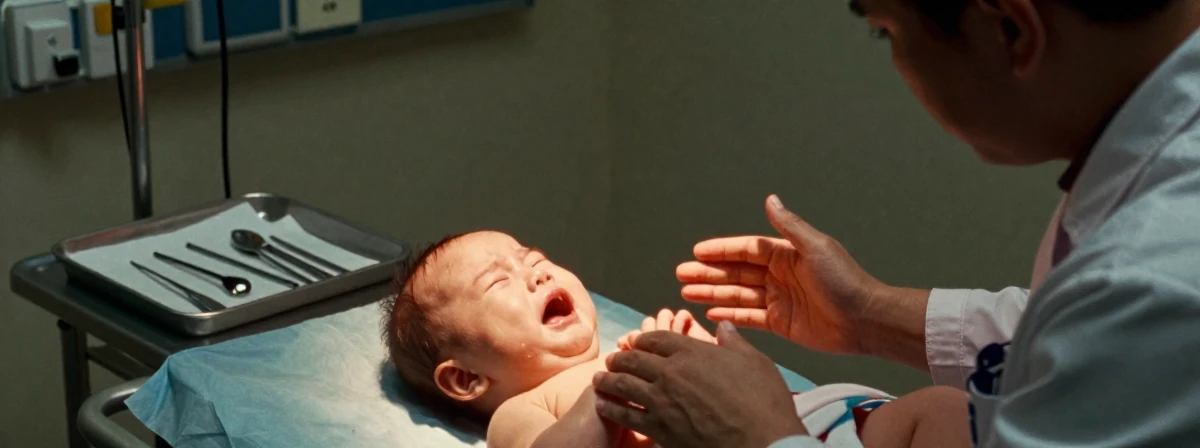
The sugar water approach came from the idea that a sweet taste might distract the infant. In practice, however, it offered minimal comfort during what is essentially a surgical procedure on sensitive tissue. The infant’s response - intense crying, flailing, and clear signs of distress - told a different story than the medical textbooks of the time.
How Did Medical Professionals Misunderstand Infant Pain for So Long?
I remember piercing ears in the 90s and having to educate parents about the risks to newborns. One mother insisted her pediatrician told her babies couldn’t feel pain and couldn’t get infections from ear piercing. When I suggested she call her pediatrician (remember, this was before cell phones were ubiquitous), she used a payphone right there in the shop. The pediatrician immediately corrected the misinformation.
This pattern - outdated information persisting despite evidence to the contrary - has deep roots in medical history. For centuries, doctors primarily focused on adult male patients, often dismissing pain reports from women, children, and minority groups. The concept that “babies don’t remember pain” emerged from this limited perspective.
The scientific understanding of pain changed dramatically in the late 20th century. Research showed that infants have fully developed pain receptors and pathways from birth. Their responses to painful stimuli are not just reflexes but genuine experiences of discomfort. Yet, changing medical practice is slow, especially when it involves questioning long-established procedures.
Why Did Anesthesia Remain Uncommon for Infant Circumcisions?
The fear of anesthesia complications played a significant role in delaying its use for infants. Before the 1970s, anesthesia itself carried substantial risks, with high mortality rates for young children. The medical community was hesitant to introduce another variable when the procedure was considered “minor.”
I had a lung surgically removed at just six weeks old in 1968, and while I know I was sedated, my mother would later tell me about the extreme caution doctors took with pediatric anesthesia. The risk-benefit calculation for circumcision, viewed as elective rather than essential, often tipped toward avoiding anesthesia.
This caution wasn’t entirely unfounded. Early anesthesia techniques were crude and dangerous. Until the 1940s, anesthesia was primarily used when the shock of surgery might be fatal anyway. Even into the 70s, pediatric anesthesia was an evolving field with limited safe options.
The irony is that as anesthesia became safer, the practice of using it for circumcision lagged behind. Meanwhile, alternatives like topical anesthetics and nerve blocks were developed but not widely adopted. This created a gap where infants underwent procedures with minimal pain management for decades after safer options existed.
What Are the Modern Standards for Infant Pain Management?
Today’s medical guidelines recommend proper pain management for circumcision, including local anesthetics like dorsal penile nerve blocks or topical anesthetics. The American Academy of Pediatrics now acknowledges that procedural analgesia should be provided for circumcision.
However, practices vary widely. I’ve seen hospitals where nurses still rely on sugar water, and others where comprehensive pain management is standard. This inconsistency creates confusion for parents who may not know what to expect or ask for.
The most effective pain management approaches include:
- Local anesthetics administered by qualified medical personnel
- Sucrose solutions (the sugar water) used in conjunction with other methods
- Comfort measures like skin-to-skin contact with parents
- Nipple feeding during the procedure
The key difference now is that these approaches are used intentionally as part of a pain management plan, not as the sole method of comfort.
How Does Circumcision Practice Vary Around the World?
Circumcision rates and practices differ dramatically by region. In some countries, it’s a routine procedure performed on nearly all male infants, while in others it’s rare or reserved for religious reasons. This variation offers a natural experiment in healthcare approaches.
In regions where circumcision isn’t common practice, healthcare providers report fewer complications and no increased incidence of urinary tract infections or other conditions often cited as reasons for circumcision. This challenges the medical necessity argument for routine infant circumcision in many contexts.
The cultural perspective is equally telling. In many cultures where circumcision isn’t practiced, the idea of altering a baby’s natural state without medical necessity is considered unthinkable. This perspective aligns with the growing movement questioning routine infant circumcision in Western countries.
The debate often centers on whether circumcision is a medical procedure or a cultural/religious practice. When viewed as medical, standards of care including proper pain management should apply. When viewed as cultural, parents should at least be fully informed about the procedure and its implications.
What Should Parents Know Before Making Circumcision Decisions?
The conversation about circumcision shouldn’t start with pain management but with whether the procedure is necessary or desired. For parents considering circumcision, here’s what I’ve learned over decades in healthcare:
- Ask questions: Don’t assume the procedure is standard or medically necessary. Inquire about potential benefits and risks.
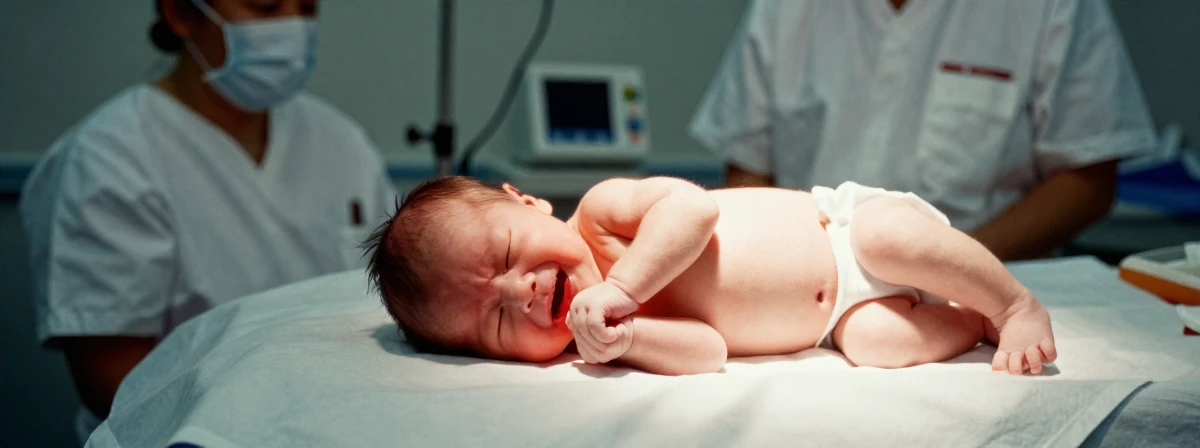
- Inquire about pain management: If you proceed with circumcision, specifically ask what pain management will be used and why.
- Consider alternatives: Learn about the arguments for and against circumcision from medical, cultural, and ethical perspectives.
- Trust your instincts: If something feels wrong about the procedure or its justification, investigate further.
- Prepare for care: Whether circumcised or not, understand how to care for your son’s genital area to prevent issues.
I’ve seen too many cases where parents weren’t fully informed, leading to regrets or complications. One mother I worked with years ago expressed horror when she learned how her son was circumcised without adequate pain control. “They just gave him sugar water,” she said, “and I never questioned it.”
The medical landscape has evolved, but awareness hasn’t kept pace. Parents today have more information available than ever before, but navigating conflicting advice and cultural expectations remains challenging.
How Can We Improve Infant Pain Management in Medical Procedures?
The conversation about circumcision pain management reveals broader issues in pediatric care. Infants undergo numerous procedures - vaccinations, blood draws, heel pricks - often with minimal pain relief. This pattern reflects a systemic undervaluation of infant discomfort.
Improving this requires multiple approaches:
- Better medical education about infant pain
- Standardized pain management protocols across healthcare facilities
- Increased awareness among parents about their right to advocate for their child’s comfort
- Research into more effective and accessible pain management options
I’ve seen hospitals where nurses become emotionally affected by infants’ pain during procedures. One nurse described the wailing of an infant during ear piercing as something that “will haunt me for the rest of my life.” This emotional response often drives individual efforts to improve care, but systemic change requires institutional commitment.
The good news is that awareness is growing. More hospitals are implementing comprehensive pain management protocols, and medical schools are incorporating better training about infant pain. However, progress remains uneven, with significant variations in practice from one facility to another.
Parents can advocate for change by asking questions, seeking facilities with progressive pain management policies, and sharing their experiences with healthcare providers. Collective parent voices have already driven improvements in areas like vaccination pain relief - the same can happen for circumcision and other procedures.
What Does the Future Hold for Infant Circumcision Practices?
The landscape of infant circumcision is evolving. We’re seeing:
- Increased questioning of routine circumcision from medical organizations
- Greater emphasis on informed consent and parental education
- Development of less invasive alternatives when medical necessity exists
- Growing awareness of proper pain management as standard care
I believe we’re moving toward a more nuanced approach that respects cultural practices while upholding medical standards. This might mean:
- Clearer distinction between medically necessary and elective circumcisions
- Standardized, evidence-based pain management protocols
- More comprehensive education for parents about all aspects of the procedure
- Continued research into the long-term physical and psychological effects
The most significant change may be the shift in perspective from viewing circumcision as a minor procedure to recognizing it as a surgical intervention that requires appropriate care and consideration. This shift acknowledges that infants are not miniature adults but have unique physiological and emotional responses to medical procedures.
As we look ahead, the goal should be to ensure that when circumcision is performed, it’s done with full parental understanding, medical necessity when applicable, and proper pain management - addressing the concerns that have rightly been raised by parents and healthcare providers alike.
The journey from sugar water to proper anesthesia for infant circumcision represents both how far we’ve come and how much further we have to go in recognizing and responding to infant pain. As parents become more informed and healthcare providers more responsive, we can create a future where no infant undergoes unnecessary suffering during medical procedures.