
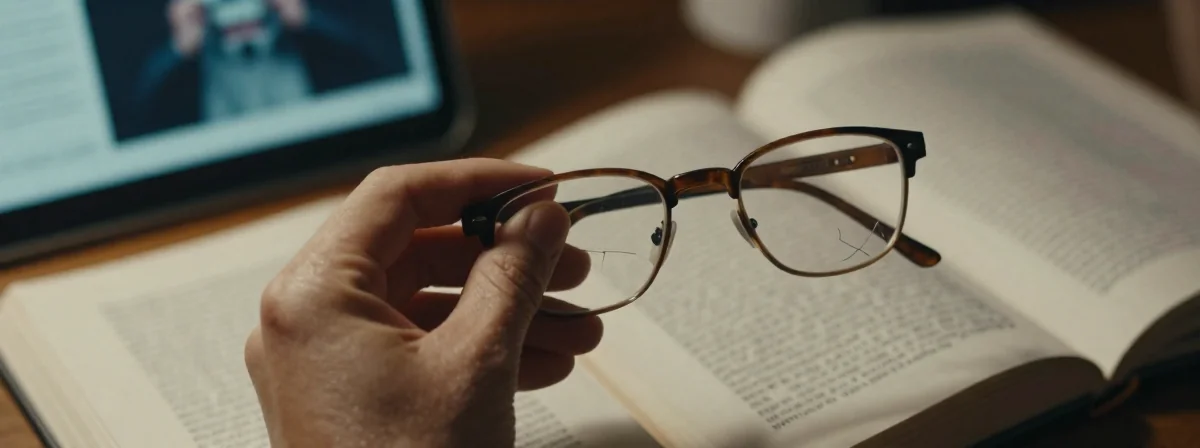
Some mornings, you squint at your phone, wondering why the text looks fuzzy. Or you hold a menu at arm’s length, feeling that familiar frustration. It’s not your imagination—your eyesight is changing. But why? The answer isn’t as simple as “you’re getting older.” It’s a complex interplay of biology, lifestyle, and even how we live today. Your eyes are intricate marvels, but like any masterpiece, they don’t stay perfect forever. Let’s unpack the real reasons behind fading vision and what you can do about it.
Vision isn’t static. It evolves. For many, the first signs appear in their 40s—blurry close-up vision, the need for reading glasses. But the journey begins much earlier, with subtle shifts no one warns you about. Understanding these changes isn’t just about accepting fate; it’s about taking control.
Here’s the truth about why your eyesight might be getting worse—and how to fight back.
Why Do Eyesight Get Worse With Age? The Biological Reality
Your eyes aren’t immune to time. Think of them as precision instruments with moving parts. The lens inside your eye, responsible for focusing, is attached to tiny muscles that adjust its thickness. When you’re young, this lens is supple, bending easily to sharpen close-up images. But as you age, the lens stiffens. Those muscles weaken, too. The result? Presbyopia—difficulty focusing on nearby objects. By age 70, most people lose nearly all ability to adjust focus.
It’s not just the lens. The vitreous humor—the gel filling your eyeball—gradually liquefies. Imagine jello turning to water. This sloshing gel can tug on the retina, potentially causing tears or detachment. Even the delicate receptors lining your eye can degrade over time. Every part has a lifespan.
Sunlight: The Surprising Guardian of Clear Vision
Here’s something few realize: sunlight plays a critical role in eye development—especially in children. Natural light signals the eye to stop growing, helping maintain a round shape. Too little sun exposure, and eyes may elongate, leading to nearsightedness. Modern kids spend more time indoors, missing this vital cue. It’s a small factor, but one that compounds over a lifetime.
Protecting your eyes from harsh sunlight isn’t just about comfort. UV rays can damage tissues, accelerating wear. But moderate, natural light? That’s part of the equation for healthy vision.
Eye Protection Isn’t Optional—It’s Essential
You wouldn’t drive without seatbelts. So why risk your eyes? Flying debris, harsh chemicals, even UV radiation can permanently harm your sight. Yet many take their eyes for granted. A pair of sunglasses or safety goggles is cheap insurance. Eye surgery? That’s expensive and not always reversible. Prevention is far smarter.
Think of it this way: every time you shield your eyes, you’re preserving clarity for tomorrow. It’s a small habit with lifelong rewards.
Can You Reverse Fading Vision? The Uncomfortable Answer
Here’s the hard truth: some vision loss is irreversible. Presbyopia, for instance, means your lens can’t regain its flexibility. Cataracts cloud your vision permanently until treated. But that doesn’t mean you’re powerless. Modern solutions—like laser surgery or lens replacements—can restore clarity. The key is early action.
Some people even see improvements over time. A weakening prescription isn’t always bad news. Eyes can sometimes correct themselves, shifting focus in unexpected ways. The point? Your eyes are dynamic. They change, and you can adapt.
Beyond Glasses: Exploring Permanent Solutions
Glasses are a bandage, not a cure. For a more permanent fix, consider surgical options. LASIK reshapes the cornea, while lens replacements swap your natural lens for an artificial one. These aren’t magic bullets—they come with risks and costs. But for many, they’re life-changing.
The best approach? Discuss your options with an eye care professional. What works for one person may not suit another. Personalized care is the only way forward.
The Daily Habits That Preserve Your Sight
You don’t need extreme measures to protect your vision. Small, consistent habits make a difference:
- Blink often. Staring at screens dries eyes, straining focus.
- Vary your focus. Look far, then near, then far again. This exercise keeps your eye muscles engaged.
- Stay hydrated. Dry eyes struggle to function optimally.
- Eat for your eyes. Antioxidants in leafy greens and fish support retinal health.
These aren’t grand gestures. They’re daily choices that add up.
Eyesight Isn’t Just About Seeing—It’s About Living
At the end of the day, fading vision isn’t just a medical issue. It’s about independence, connection, and quality of life. Reading a loved one’s face, navigating the world, appreciating art—these rely on clear sight.
The real revelation? You’re not helpless. Understanding the “why” behind vision changes empowers you to act. Protect your eyes, stay informed, and embrace solutions when needed. Your sight is a gift worth fighting for. Don’t wait until it’s too late to appreciate that.