
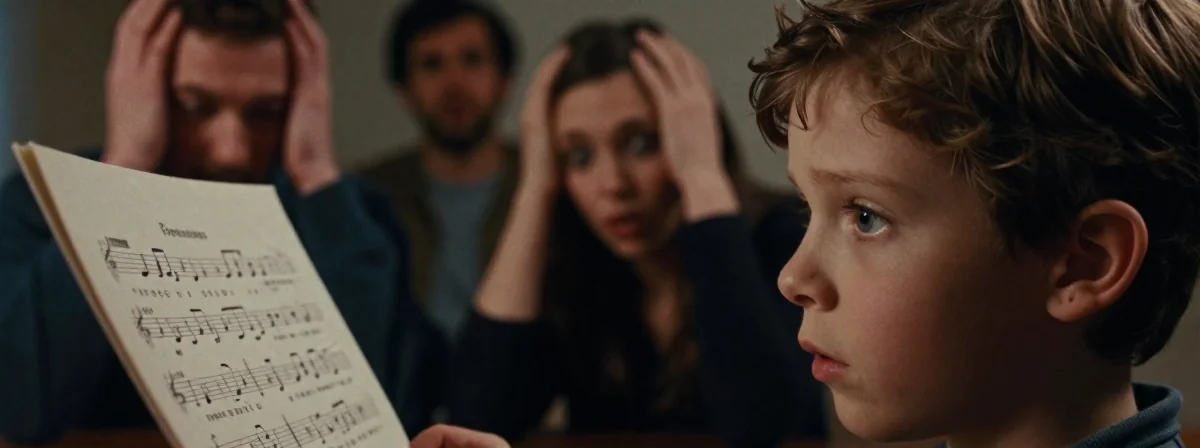
Elementary school concerts are supposed to be cute, right? Think again. If you’ve got kids—or even nieces and nephews—you might’ve heard about the latest musical nightmare sweeping through schools: one specific K-Pop song that’s turning parents into walking zombies and students into musical rebels. No, it’s not just another catchy tune; it’s a full-blown cultural phenomenon with real consequences.
What makes this song so polarizing? It’s not just about whether it “slaps” or not. It’s about the generational divide, the pressure on young musicians, and the sheer exhaustion of hearing the same track played on repeat. If you think this sounds dramatic, you’re about to find out why it’s actually a perfect storm of musical mayhem.
Last year, one school had seven separate acts perform the same Descendants movie song during a four-hour talent show. This year, parents are bracing themselves for something even more intense—and students are already plotting mutinies.
Why Is One K-Pop Song Causing Such a Stir?
At first glance, “Golden” by K-Pop group Demon Hunters seems harmless. It’s catchy, upbeat, and has all the hallmarks of a viral hit. But when you’re forced to hear it performed by a choir of eight-year-olds—or worse, a middle school band trying to adapt it for wind instruments—it becomes a different story.
The truth is, this song has become the new “Let It Go.” It’s the anthem of the moment, and kids love it. The problem? Adults are tired of it, and older students see it as kiddy territory. It’s the musical equivalent of being handed a toddler’s toy when you’re already into more mature hobbies.
Take the middle school band example: when the idea of playing “Golden” was floated, the entire band was ready to burn the school down in protest. Instead, they got Miles Davis. The contrast? The hallways no longer felt like they were on fire.
The Generational Divide: When Parents and Kids Just Don’t Agree
Remember when Pharrell’s “Happy” was the school concert staple for years? Parents hated it, but teachers loved it because it was “easy” and “upbeat.” Fast-forward to today, and “Golden” is the new “Happy”—only now, parents are even more exasperated.
Here’s the kicker: middle schoolers are at that perfect age where they’re shedding “kiddy stuff” but haven’t yet developed the maturity to appreciate nostalgia. They want to play songs they actually enjoy—like “How It’s Done” or “This Is What It Sounds Like”—not something their younger siblings have drilled into everyone’s heads.
It’s not just about taste, either. Some parents are literally refusing to attend concerts if “Golden” is on the setlist. Others are joking about selling lithium pills outside the school doors. The exhaustion is real—and it’s not going away anytime soon.
The Musical Challenge: Can Kids Actually Pull Off These Songs?
Let’s be honest: “Golden” isn’t the easiest song to sing or play. It was designed for vocal powerhouses, not developing young voices. Most choir versions are transposed down a major third to make it more manageable, but even then, the high notes can be brutal.
Imagine a room full of sopranos trying to hit that A5 in the post-chorus. Now imagine it’s not just one or two, but a whole ensemble. The result? A musical trainwreck that’s more cringe than cute.
Teachers know this, which is why some are opting for safer bets. But when a song becomes a cultural phenomenon, it’s almost impossible to ignore. That’s why you’ll see kids singing “Golden” at the top of their lungs—even if it sounds like a pack of wolves howling at the moon.
The Hidden Benefit: Getting Kids Excited About Music
Before you write off these songs entirely, consider this: when kids are actually excited about what they’re performing, they’re more engaged. They practice more, they show up on time, and they might even develop a lifelong love for music.
One parent put it perfectly: “If it gets kids excited and interested in music, then I’m all for it.” It’s a reminder that school concerts aren’t about perfection—they’re about participation. And sometimes, that means dealing with a few off-key notes in the name of enthusiasm.
Of course, there’s a balance. Last year’s talent show proved that too much of one song can be exhausting. This year, schools are trying to mix it up, but “Golden” keeps creeping back in. It’s the musical equivalent of that one friend who always crashes the party.
The Final Verdict: Should We Just Embrace the Chaos?
Here’s the thing: music in schools is about more than just hitting the right notes. It’s about connection, expression, and yes, even a little bit of rebellion. When kids fight for the right to play songs they love, they’re learning to advocate for themselves—a skill that’ll serve them well beyond the concert stage.
So should parents just grin and bear it? Maybe. But here’s a better idea: how about schools create more variety? Let younger kids have their “Golden” moment, while older students get to explore more mature tracks. It’s a win-win.
After all, as one teacher pointed out, “If everyone’s singing at the same time, I’m counting that as a victory.” Sometimes, that’s all you can ask for.