
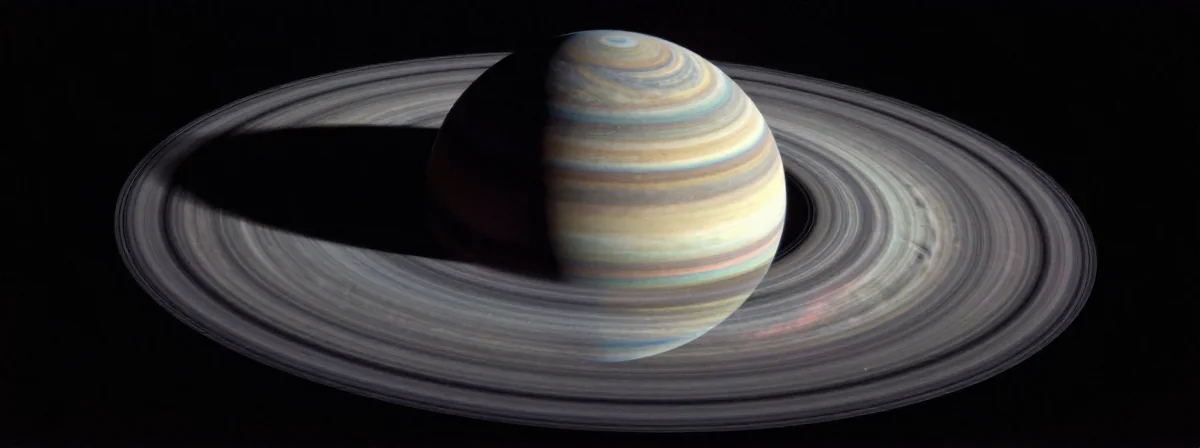
Some days you look up at the sky and wonder: why are we still spinning? Not just the Earth — every damn planet in the solar system is doing a cosmic spin cycle, and nobody’s hitting the stop button. It’s like the universe’s oldest, slowest rave that never ends. The answer isn’t magic — it’s physics, and it’s way more elegant than you think.
Planets spin because they were born spinning. Simple as that. But the why? That’s where the real story begins. Think of it like a game of cosmic billiards where every shot adds a little wobble, and over billions of years, those wobbles compound into a full rotation. Here’s the breakdown:
Pattern Recognition
Momentum Doesn’t Expire — It Just Keeps Rolling
When dust clouds collapsed to form planets, they didn’t line up perfectly. Imagine two skaters grabbing hands mid-spin — they’d twirl together, right? That’s conservation of angular momentum in action. Once something starts spinning in space, there’s almost nothing to stop it. No friction, no brakes — just pure, unadulterated spin forever (or until something else messes with it).The Moon’s Tidal Lock: A Slow-Motion Hack
The Moon isn’t just stuck facing Earth — it’s in a gravitational arms race. Earth’s gravity pulls on the Moon, creating tiny bulges that act like invisible hands, slowing its rotation until it matched its orbit. Now the same face always points our way. It’s like a cosmic game of Simon Says, where Earth shouts “freeze” and the Moon obeys — eventually.Perfect Eclipses? Just a Cosmic Coincidence (Mostly)
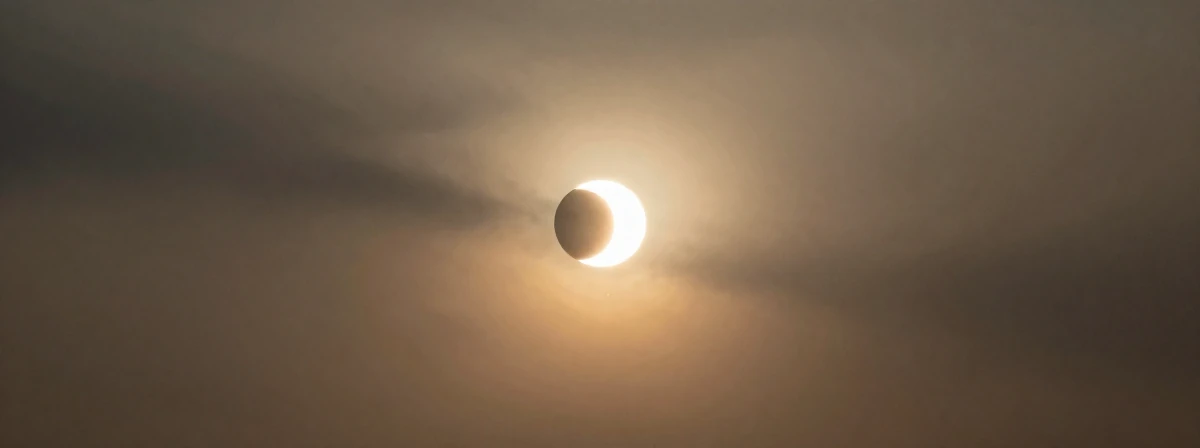
The Moon and Sun look almost the same size from Earth. That’s why we get total solar eclipses. But here’s the catch: it’s not perfect. The Moon is drifting away, and in a few hundred million years, every eclipse will be annular (ring-shaped). We’re living in the sweet spot of a coincidence that won’t last forever. Nature’s version of a limited-time offer.
- Liquid Cores: The Hidden Spin Doctors
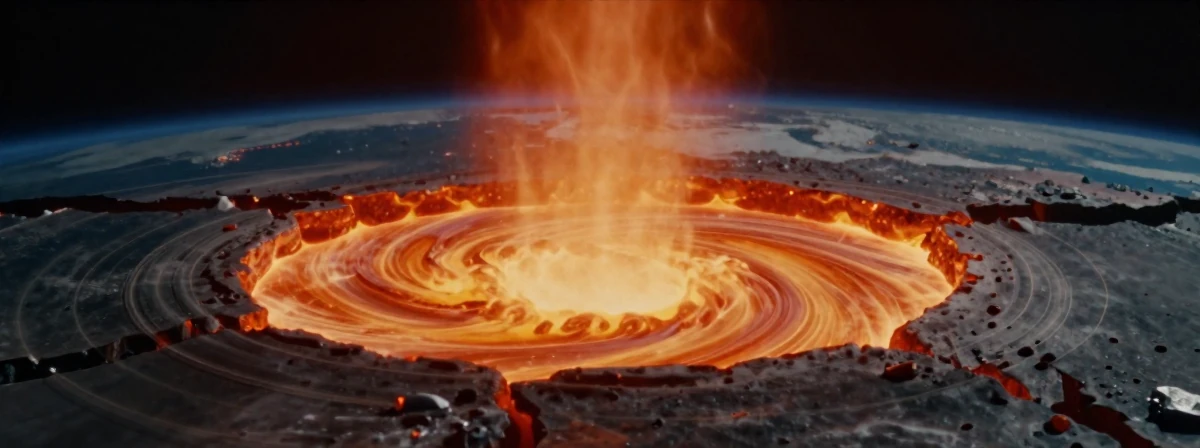
Earth’s molten core isn’t just keeping us warm — it’s sloshing around like a giant, churning engine. This internal motion actually transfers energy to the planet’s rotation, keeping the spin going strong. Think of it as a perpetual motion machine built into the planet itself. The core’s not just spinning; it’s fine-tuning the spin over geological timescales.
The Solar Accretion Disk: Why Everything’s on a Spiral
Planets didn’t just pop into existence — they formed from a spinning disk of gas and dust. Like a figure skater pulling in their arms to spin faster, the collapsing cloud spun up as it condensed. That initial twist got amplified, and now every planet carries that ancient spin in its DNA. It’s the universe’s way of saying, “Once you start spinning, you’re in for the long haul.”Friction? What Friction? Space Is the Ultimate Low-Drag Environment
On Earth, a spinning top slows down because of friction. In space? There’s almost none. Planets are like that top in a vacuum — they just keep going. The only things that can slow them down are other celestial bodies or internal forces. For now, we’re coasting on momentum from the solar system’s birth. It’s the ultimate long con of physics.Axial Precession: The Cosmic Wobble That Defies Simple Rotation
Earth doesn’t just spin — it wobbles. Over 26,000 years, its axis traces a circle in the sky, like a spinning top that’s losing its balance. This wobble, called precession, is why Polaris isn’t always the North Star. It’s a reminder that “straight” rotation is a myth; everything’s a little off-kilter in the long run.
Optimization Tips
The next time you see a spinning top or a figure skater, remember: you’re watching a microcosm of planetary physics. The universe doesn’t stop spinning because it doesn’t have to. It’s a reminder that some systems are built to last — not because they’re perfect, but because they’re resilient. So the next time you feel like life’s spinning out of control, just think: you’re part of a system that’s been spinning for billions of years, and it’s not stopping anytime soon.