
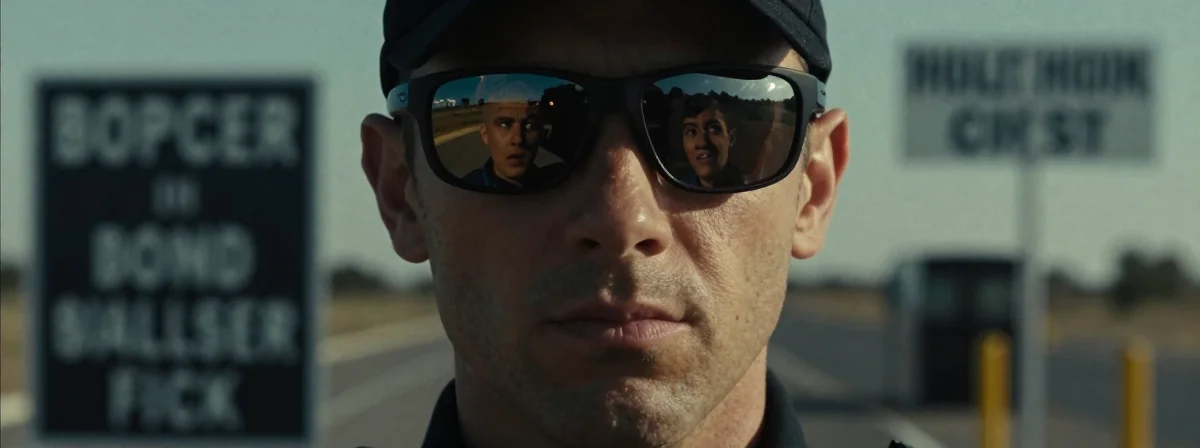
Ever packed your bags, cleared your visa, and still got turned away at the border? It happens more than you think—and the reason will surprise you. Even with all your paperwork in order, the final decision isn’t up to the embassy that issued your visa. It’s up to a single border agent with near-limitless discretion. Let’s break down why this happens and what it means for travelers like you.
The truth is, border control officers have the ultimate say in whether you enter a country, even if it means overriding decisions made by consulates or embassies. This isn’t a glitch—it’s by design. But why? And what can you do about it? The answers lie in how border security systems actually work, and they’re not what you’d expect.
Why Can a Border Agent Override an Embassy’s Decision?
Imagine this: You’re an international student with a valid I-20 and visa, ready for college in the U.S. You fly in, only to be sent back without explanation. This happened to a student from China who had to pay for a return flight—twice. The embassy confirmed her documents were perfect, but the border agent still said no. Sound unfair? It is. But here’s the kicker: border agents aren’t required to justify their decisions.
The U.S. (and many other countries) operates on a principle where the final authority lies with the border officer. The State Department issues visas, but Homeland Security enforces entry. They’re separate departments with no obligation to defer to each other. That’s why an embassy can’t force a border agent to let someone in—even if the embassy knows the person poses no threat.
What Really Happens When You’re Denied Entry?
Denials often stem from secret government watchlists. Countries maintain lists of suspected terrorists, drug traffickers, or people linked to regimes like Iran or North Korea. If your name or biographical details match someone on these lists—even if you’re a completely different person—you could get flagged. The border agent then decides whether to let you in or send you back. If they’re unsure, you’re out of luck.
This is why names like “Ali Khan” or “Mohammed Husseini” get extra scrutiny. Even Sicilian names can flag you due to organized crime ties. The systems are designed to err on the side of caution, which means innocent travelers sometimes pay the price. No explanation? That’s because agencies invoke “national security” and courts rarely challenge them.
Can You Fight a Denial? And Why It’s Almost Impossible
Short answer: No. Once denied, you’re out of luck. The U.S. and other countries reserve the right to refuse entry to anyone who isn’t a citizen, for any reason—and they don’t have to tell you why. If they claim it’s for national security, the courts almost always side with the government. There’s no appeals process, no right to a lawyer at the border, and no reimbursement for flights or visa fees.
This isn’t new. It’s been happening since at least 2001. Whether it’s an Arabic name triggering extra checks or a border agent having a bad day, the outcome is the same: you’re stuck. The only silver lining? Sometimes trying a different entry point works, as in the student’s case. But that’s no guarantee.
How to Avoid Getting Flagged at the Border
If you have a common name or think you might be on a watchlist, consider these steps:
- TSA PreCheck or Global Entry: These programs can fast-track you through security and reduce scrutiny. (Note: Not all countries qualify.)
- Extra Documentation: Bring proof of ties to your home country (job, property, family) to show you have no intent to overstay.
- Be Honest and Calm: Any inconsistency can be grounds for denial. If asked about travel plans, stick to the truth.
- Avoid Sensitive Topics: Don’t discuss political or religious views unless directly asked.
Is This Unfair? Absolutely. Will It Change? Probably Not.
Border control is a blunt instrument. It’s designed to keep threats out, but the collateral damage is real. The system relies on discretion because perfect security is impossible. While it’s frustrating—and often feels arbitrary—this is the trade-off for countries trying to balance openness with safety.
The next time you travel, remember: even with all the right papers, the final gatekeeper is human. And humans are unpredictable. The best you can do is prepare, stay honest, and hope you get the right agent on the right day. Because in the world of border control, luck often matters as much as logic.