
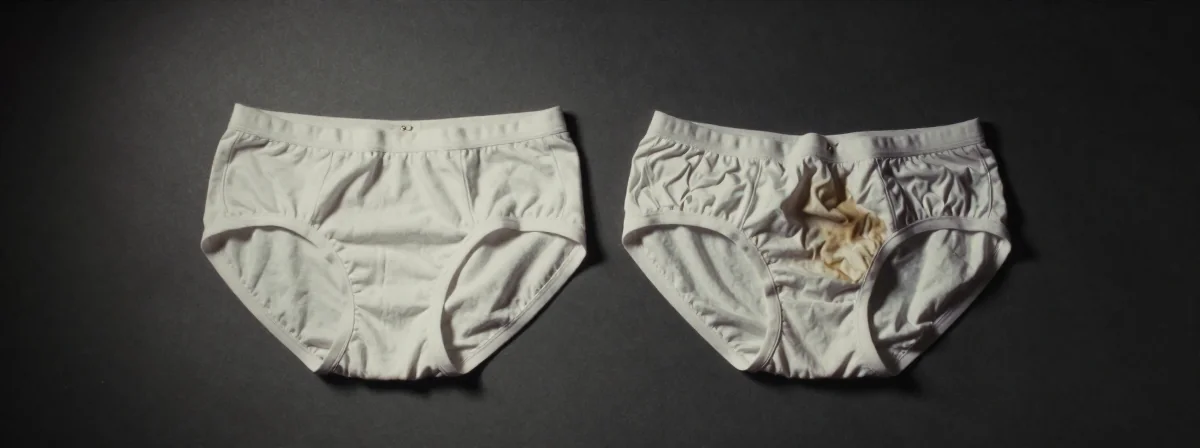
Why Did My Parents Always Stress About Clean Underwear?
It’s not just about avoiding awkward stares from medical staff. Back in the day, hospitals didn’t have the same level of infection control we have now. If you ended up in an accident with dirty clothes, the risk of infection was much higher. I remember one case where a teenager with burns had to be treated because their clothes were soiled—and the bacteria caused a secondary infection that nearly cost them their leg.
The saying was a clever way to instill good hygiene habits. Kids don’t care about germs until they see the consequences. So, the idea of medical professionals seeing their underwear was a powerful motivator. It worked because it tapped into the fear of embarrassment, which is a universal human concern.
The Real Reason EMTs and Nurses Don’t Care About Your Underwear (But You Should)
Here’s the uncomfortable truth: EMTs and nurses have seen it all. They’ve dealt with everything from skid marks to full-blown emergencies where patients have soiled themselves. But that doesn’t mean you shouldn’t care. The difference is perspective.
For medical professionals, the priority is saving lives. Your dignity is secondary. But for you, dignity matters. Wearing clean underwear is a small act of self-respect. It’s like the captain of a ship wearing a red shirt to hide blood in battle—so his crew keeps fighting. You might not be in battle, but the principle is the same.
I’ve seen firefighters cut people out of cars, and the last thing on their minds is whether your underwear is clean. But the first thing on your mind might be how you’re perceived. It’s a mental comfort that can make a stressful situation slightly more bearable.
The Surprising Link Between Clean Underwear and Survival
This might sound extreme, but in some cases, clean underwear could save your life. Think about it: if you’re in a car accident, EMTs might have to cut your clothes off. If those clothes are soiled, it could lead to infections, especially if you have open wounds. Infections can delay healing and even cause sepsis.
I remember a case where a man had deep cuts from a machinery accident. His clothes were caked in dirt and oil. The EMTs had to work extra hard to clean the wounds before treatment. Had he been wearing clean clothes, the process would have been smoother, and the risk of infection lower.
It’s not just about the underwear—it’s about the mindset. If you take hygiene seriously, you’re more likely to take other health precautions seriously too. It’s a domino effect.
The Psychology Behind the “Clean Underwear” Rule
Why does this rule stick? Because it works on multiple levels. First, it’s a fear-based motivator. Kids hate the idea of being embarrassed, so the threat of medical professionals seeing their underwear is enough to make them shower.
Second, it’s a reminder of vulnerability. We all want to feel in control, but accidents happen. Wearing clean underwear is a small act of control in an uncontrollable world. It’s like crossing your fingers—doesn’t guarantee safety, but it makes you feel better.
Third, it’s about respect. Respect for yourself and others. If you’re in a situation where someone has to help you, the least you can do is make their job easier. It’s a courtesy, even if it feels trivial.
The Misconception: “No One Will Notice If I’m Dying”
This is where the conversation gets tricky. Some people argue that if you’re in critical condition, no one cares about your underwear. And they’re right—medically speaking, it doesn’t matter.
But emotionally, it does. I’ve seen patients in severe pain who were more worried about their appearance than their injuries. It’s a coping mechanism. If you can hold onto a sense of normalcy, even in chaos, it helps.
The flip side is that if you’re already in a bad state, worrying about underwear is the least of your problems. That’s why balance is key. Clean underwear is a low-effort, high-reward habit.
The Embarrassment Factor: Is It Really That Big of a Deal?
Let’s address the elephant in the room: embarrassment. Some people are mortified at the thought of medical staff seeing them in less-than-pristine condition. Others couldn’t care less.
The truth is, most medical professionals have seen it all. They’ve dealt with worse. But that doesn’t mean you shouldn’t care. If the idea of someone seeing your underwear makes you anxious, it’s worth addressing.
I’ve seen patients refuse treatment because they were too embarrassed. It’s rare, but it happens. Clean underwear might not prevent this, but it’s one less thing to worry about when you’re already stressed.
The Practical Side: How to Keep It Clean (Without Obsessing)
Here’s the thing: you don’t need to wash your underwear after every wear. But you should aim for daily changes. It’s a hygiene baseline. If you’re active, sweat a lot, or have sensitive skin, more frequent changes are better.
Back in the 90s, people didn’t have the same access to laundry facilities. Now, with washing machines in most homes, there’s no excuse. It’s a small habit that pays off in the long run.
The Cultural Angle: Why This Advice Targets Women More
This is where it gets interesting. The “clean underwear” rule often comes with a side of “wear matching underwear.” And yes, it’s often directed at women.
There’s a sexist undertone here. The idea that a woman must look presentable even in death is absurd. But the underlying message—hygiene matters—still holds.
I’ve seen women shamed for not wearing matching bras and underwear. It’s ridiculous. But if we strip away the judgment, the core advice is sound. Cleanliness is a universal need.
The Myth: “If I Get in an Accident, I’ll Probably Soil Myself Anyway”
This is a common excuse. Some people argue that if they’re in an accident, they’ll likely lose control of their bodily functions. And they’re not wrong.
But that doesn’t mean you should give up on hygiene. If you’re conscious, you might still have some control. Plus, clean clothes can make a messy situation slightly less awful.
I’ve seen patients who were able to maintain some dignity even in horrific accidents. It’s about preparation. You can’t control the accident, but you can control your habits.
The Counterargument: “Nurses and EMTs Have Seen Worse”
They have. And they’ll see worse. But that doesn’t invalidate the point. It’s not about them—it’s about you.
If wearing clean underwear makes you feel better, do it. If it helps you sleep at night, do it. It’s a personal choice, not a medical mandate.
The best approach is to find a balance. Don’t obsess over it, but don’t ignore it either.
The Final Truth: It’s About Self-Respect, Not Embarrassment
At the end of the day, clean underwear is about self-respect. It’s a small act that says, “I care about myself, even in the worst-case scenario.”
I’ve seen people who take pride in their hygiene, even when no one’s watching. They’re the ones who bounce back faster, both physically and mentally.
So, the next time you reach for a pair of underwear, think about it. It’s not just fabric—it’s a statement. And in a world full of chaos, a little self-respect goes a long way.