
Ever wonder why some trees get names like “bloodwood”? It’s not just for dramatic effect. I’ve been doing this since the 80s—back when we had to manually identify trees with field guides instead of just Googling them—and I can tell you, bloodwood is one of nature’s most intriguing (and slightly terrifying) creations.
The name alone sounds like something out of a fantasy novel, but the real story is even wilder. From its blood-red sap to the bizarre insects that call it home, bloodwood is a tree that defies expectations. Let’s dive into why this tree is nature’s own horror story—and why you might want to keep it in your woodworking projects.
Why Is It Called “Bloodwood” Anyway?
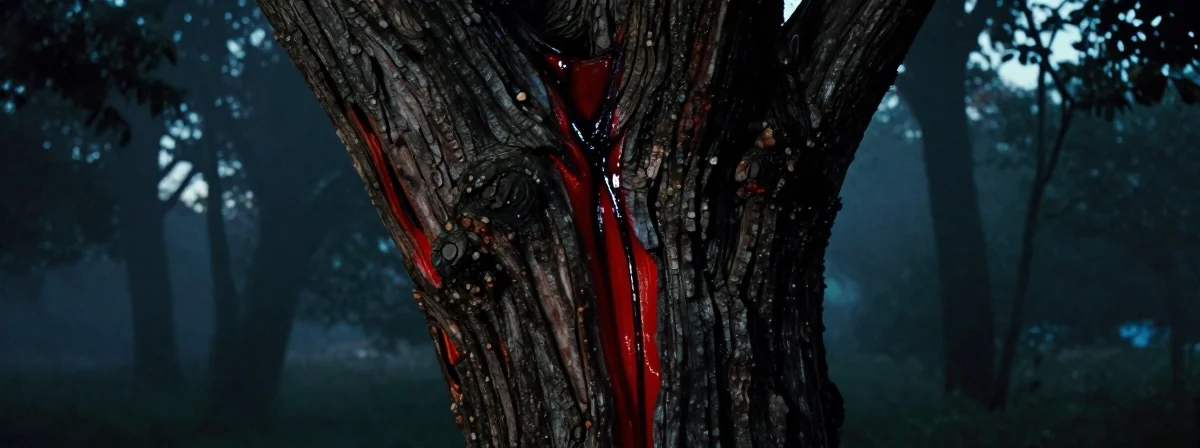
No, it’s not named after some medieval legend. The bloodwood tree (often from the genus Brosimum or Copaifera) gets its name from its distinctive red sap, which looks like fresh blood when cut. I remember the first time I saw it—chopping firewood in the Midwest, I nicked a tree and nearly jumped back when a crimson droplet oozed out. It’s like something straight out of a horror movie.
But here’s the kicker: this isn’t just for show. The sap contains natural compounds that repel insects and even some pathogens. Nature’s built-in defense system, right there in the bark. And if you’ve ever smelled bloodwood sawdust, you know it’s not just pretty—it smells like pipe tobacco, which is bizarrely comforting.
The Bloodwood “Evil Biome” Connection
When I first heard bloodwood described as an “evil biome tree,” I laughed it off. Then I saw pictures. The deep red wood, the twisted branches, the way it seems to thrive in dark, damp forests—it’s like something from a gothic novel.
One time, I was hiking in the Pacific Northwest and stumbled on a stand of bloodwood. The sunlight barely pierced through the canopy, and the trees had this eerie glow. It’s no wonder people associate it with dark fantasy. If you’re writing a story about a cursed forest, bloodwood is your go-to tree.
The Insects That Make Bloodwood Their Home
Now, here’s where it gets truly wild. Bloodwood trees are home to some of nature’s weirdest insects, including scale bugs and the infamous fig wasp (yes, really). I went on a “gall deep dive” a few years back—had no idea what those weird bumps on leaves were until I learned about scale insects.
The bloodwood apple, for example, is a type of gall (that’s a growth caused by insects) that looks like a tiny apple. And get this: some varieties taste like actual apples. It’s like nature’s version of a horror-come-true snack.
Why Woodworkers Love (and Fear) Bloodwood
Bloodwood is a dream for woodworkers—but with a catch. It’s extremely hard and heavy, which means it lasts forever. I’ve seen furniture made from bloodwood that’s over a century old and still looks brand new.
The downside? It’s a nightmare to work with. The sawdust is fine and can irritate your lungs, and the wood has a tendency to split if you’re not careful. But the payoff is worth it—bloodwood has this deep, rich color that looks stunning in anything from cutting boards to flooring.
The Bloodwood “Humidor” Myth
Here’s a fun fact: some people swear that bloodwood smells like a walk-in humidor. I’ve never tried it, but the pipe tobacco scent of the sawdust makes me believe it. Imagine a whole room filled with that aroma—pretty wild, right?
What About Those “Wasp-Filled” Figs?
Wait, what do figs have to do with bloodwood? Everything, if you’re talking about nature’s oddities. Some figs (not the ones you buy at the grocery store, mind you) are pollinated by tiny wasps that get trapped inside. By the time you eat them, the wasps are completely broken down by enzymes.
It’s like saying you’re eating grass when you eat beef—technically true, but not really. Most commercial figs don’t have wasps, and the ones that do are wild varieties you’re unlikely to encounter. Still, it’s one of those nature facts that’ll stick with you.
A Blast From the Past: Bloodwood in Indigenous Culture
I visited the Northern Territory a decade ago and saw kids offering me “sweet ants” as a snack. They thought it was hilarious that I hesitated. Turns out, some indigenous cultures use bloodwood-related insects as food. It’s a reminder that nature’s weirdness isn’t just for us—it’s part of a much larger story.
The Final Word: Bloodwood Is Nature’s Masterpiece
So, what’s the big takeaway? Bloodwood is more than just a tree with a cool name. It’s a living testament to how nature combines beauty and terror in equal measure. From its blood-red sap to the insects that depend on it, this tree is a marvel—and a reminder that sometimes, the most fascinating things are the ones we least expect.
Next time you see a bloodwood, take a moment. Smell the sawdust, marvel at the color, and remember: you’re looking at something that’s been around longer than any of us—and probably always will be.