
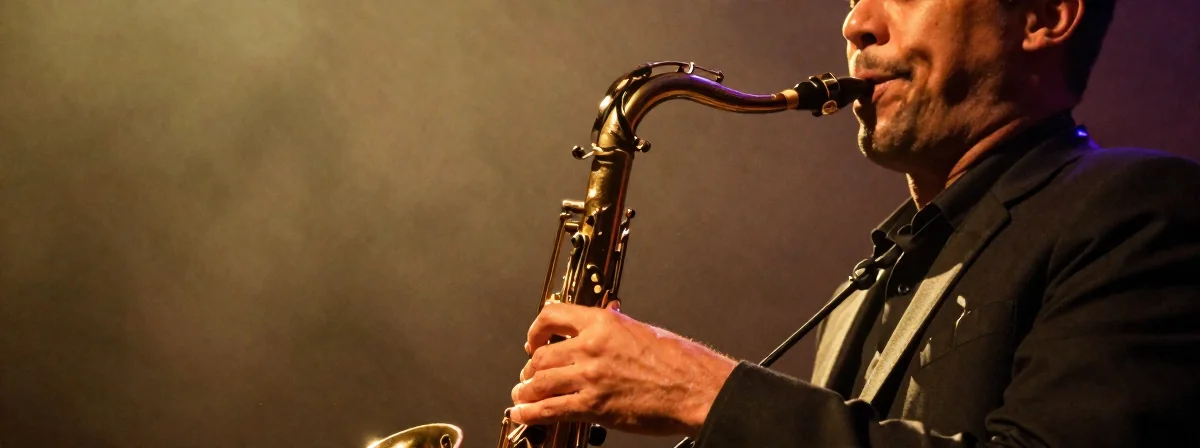
Some movies have a soundtrack that burrows into your soul without you even realizing it. You know the one I mean — that mournful saxophone riff that signals tragedy is coming, whether it’s in a gritty drama or a sitcom parody. It’s become so ingrained in our cultural DNA that we barely notice it anymore. But what makes that sound so powerful?
Breaking It Down
The Tragedy Alarm That Never Fails
That saxophone isn’t just playing notes; it’s hitting a cultural nerve. Think about it: from Boyz N The Hood to countless other films, that specific sound has become shorthand for impending doom. It’s like a siren for the soul — you hear it, and you instantly brace yourself for the worst. Even when it’s used ironically, as in Don’t Be a Menace to South Central, the power remains because we all recognize the signal.Why the Saxophone, Exactly?
It’s the perfect instrument for emotional manipulation. Unlike a violin’s sharpness or a trumpet’s bluntness, the saxophone has this mournful, breathy quality that mimics human sadness. It’s the musical equivalent of a knowing nod — subtle enough to feel organic, but deliberate enough to land the emotional punch.The Paradox of Predictable Pain
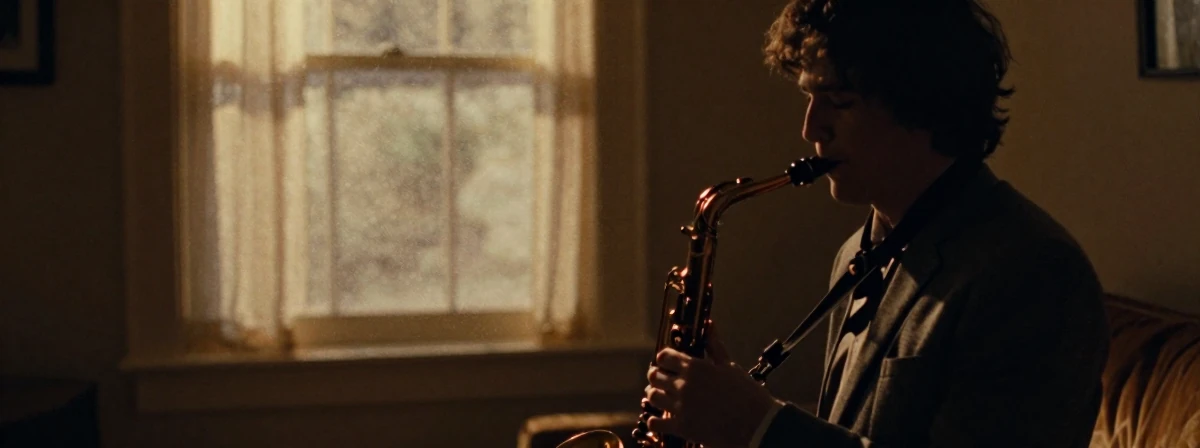
Here’s the weird thing: we hate when movies are predictable, yet we crave that saxophone cue. It’s like the comfort of a familiar melody — even when you know the sad part is coming, you lean in closer. This is why Family Guy’s parody hits so hard; it points out how we’ve all become conditioned to expect tragedy when that horn starts wailing.
A Sound That Transcends Genres
Whether it’s the Lethal Weapon saxophone riff in It’s Always Sunny in Philadelphia or the 80s sitcom version from Family Matters, the effect is universal. Even when the context is comedy, the emotional weight carries over. It’s proof that certain sounds have a life of their own — they exist outside the story, tapping into something deeper.The Unspoken Agreement Between Filmmakers and Viewers
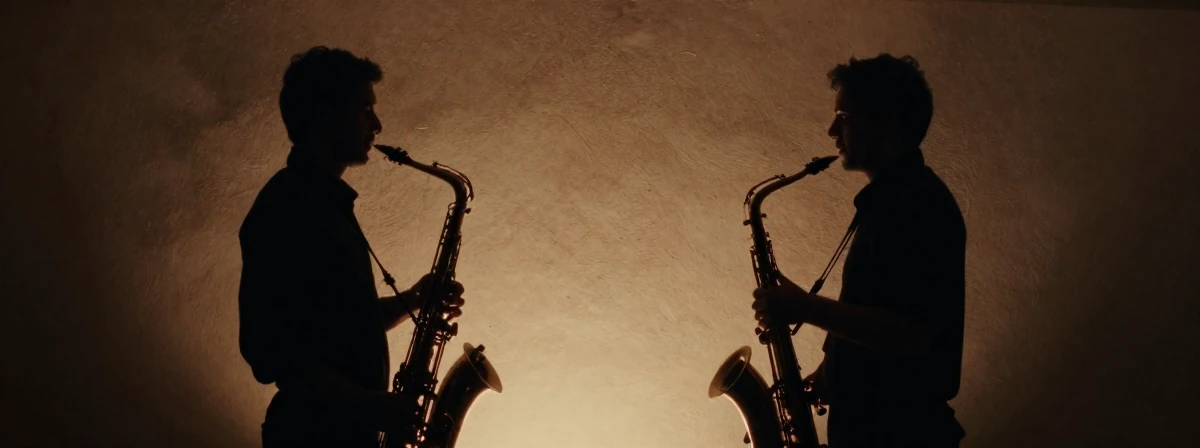
Every time that saxophone plays, there’s an unspoken contract: the filmmaker promises an emotional gut-punch, and we promise to feel it. It’s a shortcut for storytelling that works because we’ve all agreed, without ever talking about it, that this sound = this feeling. Break that agreement, and the emotional resonance vanishes.
The next time you hear that saxophone in a movie, pause for a second. It’s not just a musical choice — it’s a carefully calibrated emotional trigger, a legacy of storytelling that’s been fine-tuned over decades. It’s a reminder that the most powerful stories often rely on the smallest, most familiar details to make us feel something real. And maybe, just maybe, that’s why we keep coming back for more.