
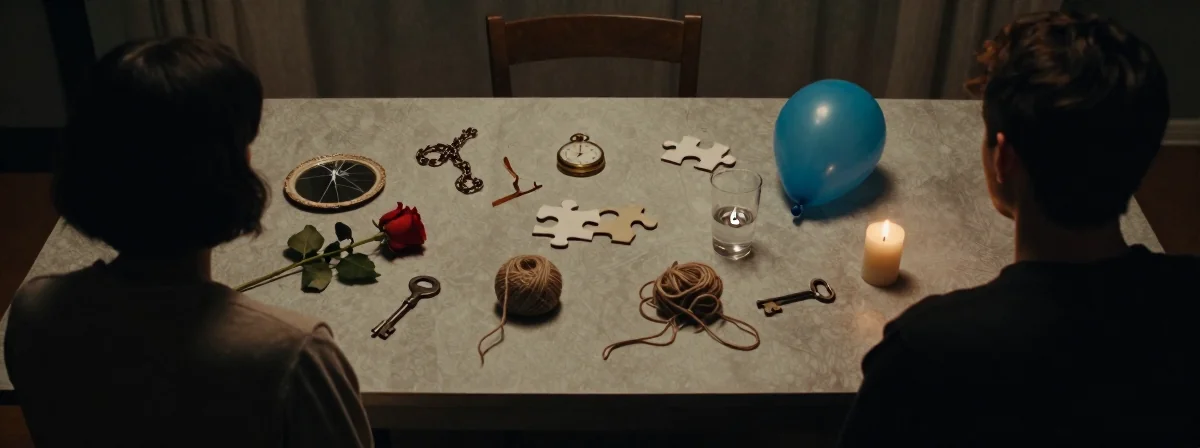
Some couples spend years tiptoeing around each other like landmines. Every word is rehearsed, every glance is calculated. Your body trembles before you even open your mouth. Sound familiar? It’s the quiet horror of knowing something is deeply wrong, but not knowing how to escape. Let’s pull back the curtain on the relationship patterns that leave you questioning your own sanity.
The Evidence
Rehearsing conversations to avoid fights. You spend hours crafting the perfect words, only to have them twisted into an attack. This isn’t communication—it’s performance art for a hostile audience. Your body shakes because your nervous system knows: this isn’t normal. It’s a survival response to an environment that should feel safe.
Having to explain basic respect. If you find yourself justifying why “please” and “thank you” should exist in your relationship, you’re not building something—you’re trying to patch a sinking ship. Respect isn’t a negotiation; it’s the foundation. When you’re explaining the floorboards, the house is already falling apart.
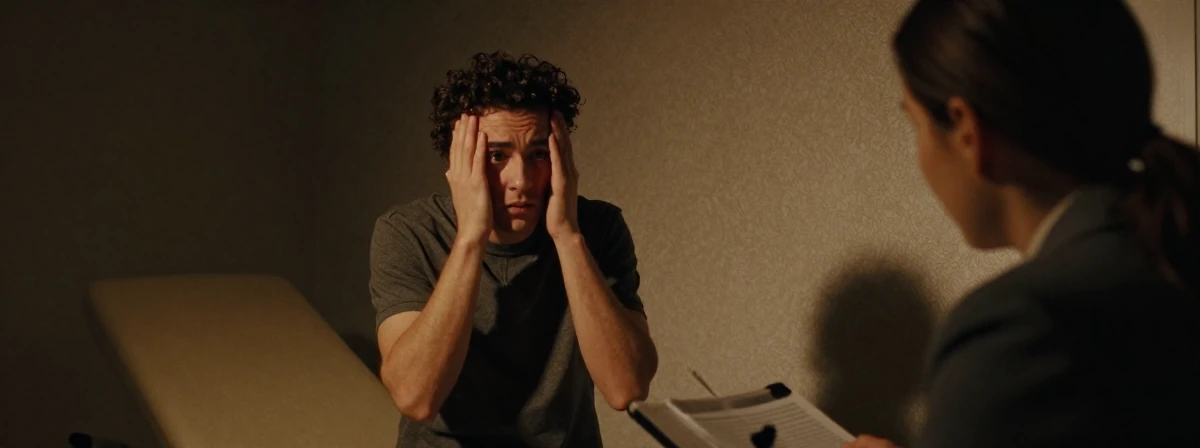
Being labeled “disrespectful” for normal behavior. The gaslighting twist: when your partner constantly accuses you of disrespect for perfectly healthy actions. This is how abuse begins—by redefining your reality until you doubt your own perception. The clues? Therapy sessions where your therapist confirms what you already knew: the problem isn’t you.
- The “ball and chain” mindset. Calling your partner this behind their back isn’t banter—it’s a confession. It reveals you see them not as a partner, but as an anchor. The deeper clue? You stay anyway. Why choose to spend your life feeling shackled? The answer usually lies in fear: fear of being alone, fear of change, fear of facing the truth.

Needing to set boundaries feels like a foreign concept. Healthy relationships don’t require boundary-setting because boundaries are implicitly respected. When you’re constantly having to draw lines in the sand, it’s a sign the relationship has already crossed too many. The real red flag? When setting boundaries is met with resentment or accusations.
Unequal partnership disguised as “sharing.” The woman paying half the bills while doing all the domestic labor isn’t “helping” her partner—she’s subsidizing his entitlement. The subtle clues? He genuinely can’t see what’s wrong with this arrangement. The bigger clue? You start normalizing it too, just to keep the peace.
The snooping routine. Phone checks, password demands, social media surveillance—these aren’t “trust tests.” They’re control mechanisms. The moment you feel the need to monitor your partner, you’ve already left the relationship; you’re in occupation. The telltale sign? You justify it as “just making sure.”
Fighting instead of arguing. There’s a difference between healthy disagreement and toxic conflict. Fighting is when words become weapons, when the goal isn’t resolution but victory. The evidence? You both walk away feeling wounded, not understood. The real clue? You can’t remember the last time you resolved a conflict without lingering resentment.
Ultimatums as relationship management. “It’s me or the job,” “Either you change or I leave”—these aren’t serious discussions. They’re emotional extortion. The deeper pattern? Ultimatums are how people who won’t leave force the other person to break up with them. The real red flag? You start giving them yourself.
Expressing love publicly to compensate privately. The couple that needs the world to see how “in love” they are often has something to prove. The subtle clues? Love becomes performative, not felt. The bigger pattern? When your relationship needs external validation, it’s because the internal foundation is crumbling.
The Verdict
The most dangerous relationship patterns aren’t the dramatic explosions—those are just the visible symptoms. The real damage happens in the quiet erosion of self, the gradual conditioning to accept less than you deserve. The truth is: some relationships aren’t worth saving. Some people aren’t worth the effort of trying to change them. Your energy is a finite resource—spend it on someone who appreciates the gift of your presence, not someone who needs constant proof of it.