
Some of us spend our entire lives trying to be normal. But deep down, we all have those moments when our desires take a sharp left turn into the bizarre. You know the ones I mean — the thoughts that make you blush, the fantasies you’d never admit out loud. It turns out, there’s a fascinating science behind why our brains get so weird sometimes.
What Research Shows
Armpits hold more secrets than you think
Remember being a teenager and cataloging every detail of other boys’ armpits? It wasn’t just hormones running wild — your brain was actually trying to decode pheromonal signals. While humans don’t actually produce true pheromones like other mammals (despite decades of searching, scientists have found nothing definitive), our olfactory system still plays a powerful role in attraction. That natural scent you inexplicably like? Your mammal brain is doing its best to assess compatibility — or sometimes just recognizing a family member.Your foot fetish might be a wiring error
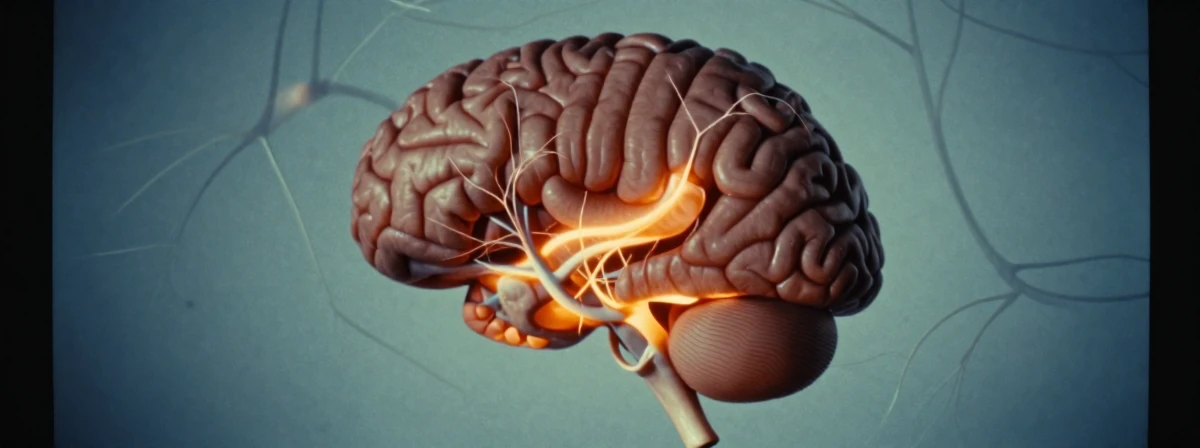
It’s true: the brain map for feet sits right next to the genitalia section. When neurons get excited, sometimes they accidentally trigger their neighbors. Think of it like a crowded party where one person’s loud joke gets the whole room laughing. That’s why foot fetishes are so common — it’s not some deep psychological trauma, just your brain’s wiring getting a little tangled.
Why we love what we love
Some kinks develop from early associations — like connecting hair growth with development during puberty. Others emerge from the brain’s love of novelty. The more unusual something is, the more dopamine our reward system releases when we encounter it. It’s like finding a rare collectible; your brain treats unusual stimuli as special treasures.The power of simulation
Ever noticed how incest themes show up everywhere from mainstream porn to casual bedroom talk? Calling someone “daddy” isn’t about literal family relations — it’s about tapping into power dynamics and deep-seated archetypes. Our brains are built on ancient patterns, and sometimes the most taboo fantasies feel the most real because they connect with primal narratives.
Humiliation isn’t always negative
Cuckolding and other humiliation kinks might seem counterintuitive, but they often involve a complex mix of trust, vulnerability, and power exchange. Research suggests these fetishes activate the brain’s reward centers in unexpected ways. What feels like pain or embarrassment to one person might feel like intense pleasure to another — it’s all in how your personal neural pathways are wired.Material fetishes have practical roots
Shiny fabrics, nylons, and other material fetishes often develop from sensory experiences. Some people simply have more sensitive neural pathways for certain textures. The brain’s sensory cortex treats these experiences as intensely pleasurable, creating associations that can develop into full-fledged fetishes. It’s like having a super-powered sense of touch in just one specific area.The appeal of the forbidden
Many kinks exist at the edges of social acceptability precisely because of that tension. The brain’s pleasure centers respond strongly to things we’re told not to do or think about. It’s the same mechanism that makes cliffhangers work — your brain craves resolution, and the more taboo the subject, the more intensely it pursues understanding.Why we can’t help ourselves
At the end of the day, sexual desire isn’t logical. It’s a messy combination of hormones, past experiences, neural wiring, and cultural influences. Your brain isn’t designed to be consistent or predictable in matters of desire. Some connections just form, and trying to force them into neat categories is like trying to organize a lightning storm.
The human brain isn’t designed for neat categories. It’s a messy, beautiful tangle of wires that sometimes misconnects in the most wonderfully strange ways. What feels like a “problem” or “deviation” is often just your unique neural architecture expressing itself. The more we understand about how these connections form, the more we can embrace our own weirdness — and appreciate the weirdness in others. After all, if everyone was normal, the world would be incredibly boring.