
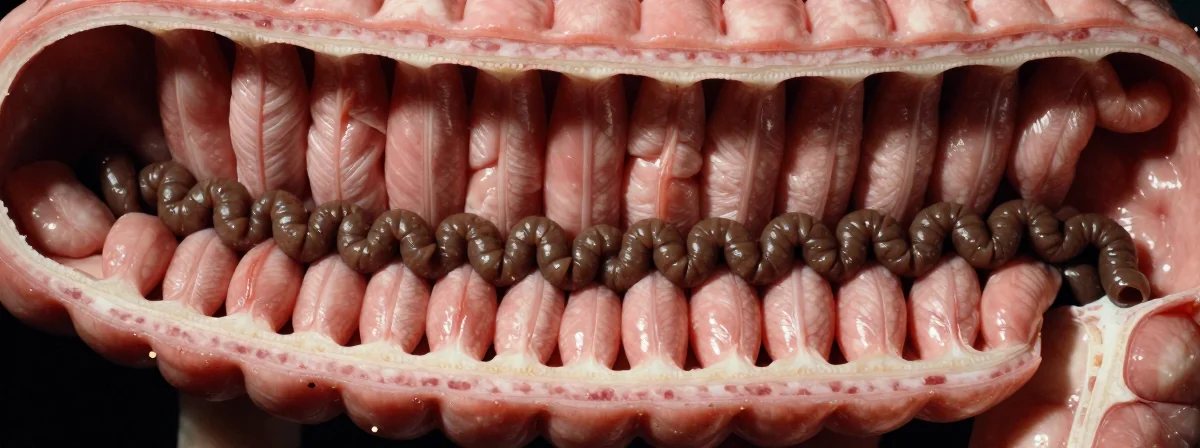
Your stomach just growled—loud enough for everyone at the table to hear. Don’t pretend you weren’t slightly embarrassed. But here’s the thing: that awkward noise is just one tiny glimpse into the incredible machinery working nonstop inside you. It’s time you got to know peristalsis, the unsung hero that keeps everything moving along.
Peristalsis is the rhythmic squeezing and relaxing that pushes things through your body’s tubes. It’s the same mechanism that moves food through your digestive tract, ear wax out of your ears, and even helps you swallow. But let’s be real—most of us only notice it when it makes noise or causes discomfort.
Beyond the Specs
Ear wax isn’t just random gunk
That waxy buildup in your ears? It’s actually being pushed out by tiny, wave-like motions from tiny hair cells called cilia. Think of it as your body’s built-in cleaning crew—constantly sweeping debris toward the outer ear where you can wipe it away. Unlike the muscular contractions in your gut, this is a gentler, more delicate process.Metallica’s got nothing on your intestines
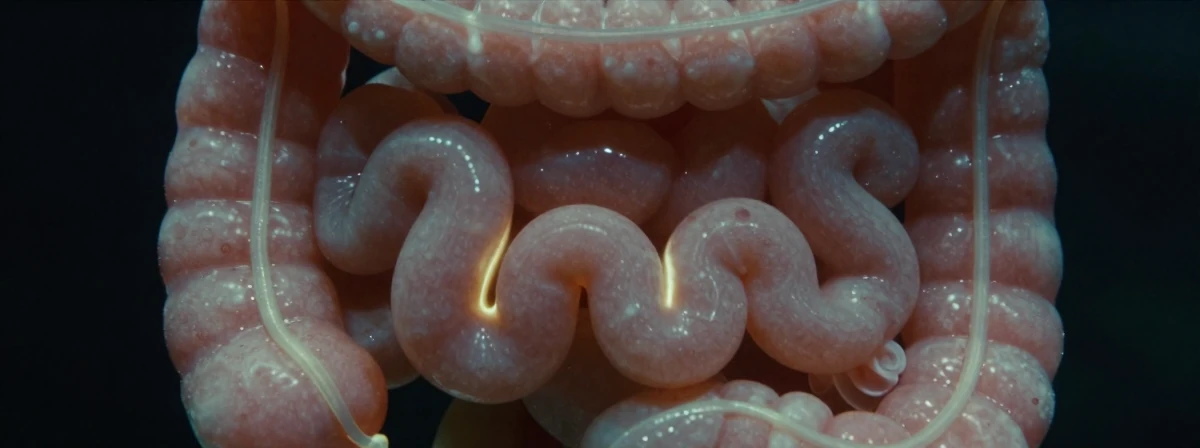
Yes, there was actually a band named Peristalsis that opened for Metallica in 2005. But the real performance happens inside you every single day. Your intestines contract in coordinated waves, pushing food through like a factory assembly line. When things work right, you barely notice. When they don’t… well, you definitely notice.
Your digestive system is a multi-stage journey
It starts in your mouth—chewing breaks down food, then swallowing sends it down the esophagus. Then comes the stomach’s pulsing squish to mix in digestive enzymes. Next, it passes through a sphincter into the small intestine (now called chyme), gets squeezed around some more, and finally moves into the large intestine where your body reabsorbs liquid to form solid waste. Each step is controlled by these rhythmic muscle contractions.Diarrhea isn’t just “the runs”
When things move too fast, your body doesn’t have time to reabsorb water. That’s where Imodium comes in—it slows down those contractions. But here’s a little-known fact: before modern medicine, people used kaolin clay and pectin to absorb excess liquid. Next time you’re struggling, you might be tempted to raid your kitchen supplies—just don’t. Modern treatments are much safer and more effective.Stomach growling is actually useful information

Those noises (called borborygmi, by the way) happen when your gut contracts to move gas around—especially when there’s no food to move. It’s your body’s way of saying “I’m ready for fuel.” And if you ever hear them constantly, that’s a clue something might be off with your digestion.
It’s like plumbing, but with muscles
Think of your digestive system as a coffee maker running on fumes. Those last few drops make all the gurgling noises as they force their way through. Your gut does the same thing—those noises are just the sound of muscle contractions moving whatever’s left.Peristalsis isn’t just in your gut
This same mechanism helps move mucus through your airways, pushes urine through your bladder, and even helps some women during labor. Your body is full of these coordinated squeezing motions, all working together to keep things flowing.
The Practical Verdict
Your body’s silent conveyor belt is working for you 24/7, whether you’re aware of it or not. Next time you feel that familiar rumble, take a moment to appreciate the intricate machinery at work. Your gut isn’t just digesting food—it’s communicating with you, telling you when it’s hungry, when it’s full, and when something’s not quite right. Listen to it. After all, your body has its own internal plumbing system, and when that system gets backed up or runs too fast, it’s your gut telling you something’s off.