
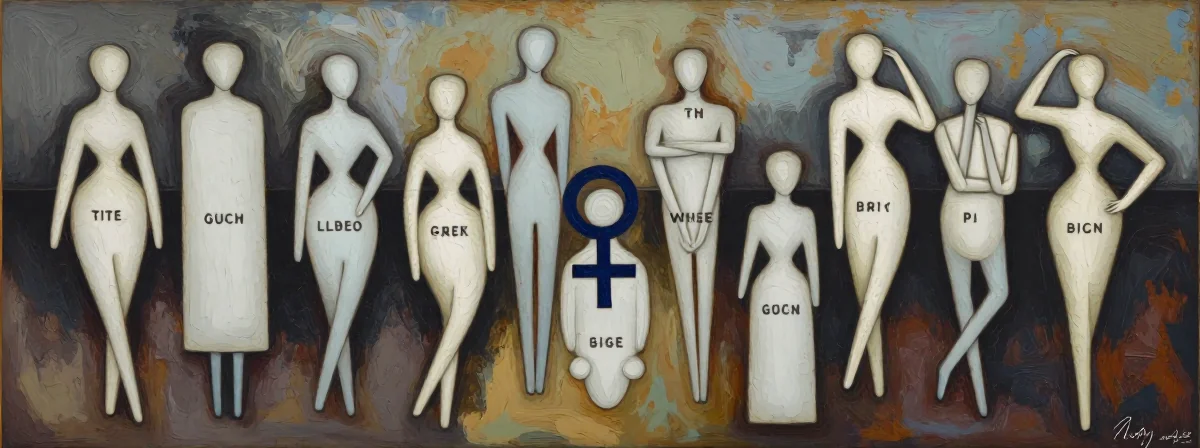
Ever notice how some conversations just… stick with you? The kind where you walk away feeling like you’ve uncovered something hidden, something most people never talk about. That’s what happened when I started digging into the quiet struggles and unspoken rules that shape how we live, love, and connect. It turns out, there are whole layers of human experience we barely acknowledge—especially when it comes to gender. These aren’t just random observations; they’re clues to a bigger puzzle about why we act the way we do, why we hurt the way we do, and what might actually help us feel more whole.
The deeper I went, the more I realized how much we’re all swimming in assumptions—about men, about women, about what’s “normal.” Some of these truths are uncomfortable, some are surprising, and some might even make you laugh out loud. But they all point to one thing: understanding these hidden dynamics could change everything.
Let’s start with the first one.
Why Men Often Feel Like They’re Wearing an Emotional Straitjacket
You know that feeling when you’re holding something back, not because you don’t want to say it, but because you’re not sure you’re allowed to? For many men, this is daily life. There’s an unspoken script: be tough, don’t show weakness, and definitely don’t talk about feelings unless it’s about sports or cars. The evidence? Think about how often a man’s emotional vulnerability is met with awkward silence or a quick change of subject. It’s not that they don’t feel; it’s that expressing those feelings feels like stepping into forbidden territory.
Consider this: when a man opens up, he risks being labeled “too sensitive” or “not a real man.” That’s a high price to pay for honesty. No wonder so many just shut down. It’s like being told your feelings are invalid, and over time, that takes a toll. This isn’t about blaming anyone; it’s about recognizing a system that silently punishes emotional honesty in men. And the cost? Untold loneliness, misunderstood relationships, and a quiet ache that never gets voiced.
The Surprising Lack of Female Support Networks for Men
Here’s a counterintuitive one: women often have each other’s backs in ways men rarely experience. Think about it—when a woman is going through something, her friends swoop in. They bring meals, offer advice, and create a safety net. For men? It’s often just… silence. Or maybe a buddy who’s equally clueless. The clue here is in how we socialize. Women are encouraged to share, to connect, to be vulnerable. Men? They’re often taught to be self-reliant, to “man up,” and to avoid anything that smells of weakness.
This isn’t to say women don’t struggle—far from it. But the difference is in the support systems. Men might have one close friend they can lean on, if they’re lucky. Or they might turn to alcohol, as one observation pointed out: “My best friends when I’m down are Johnnie and Jack.” It’s a stark reminder that when we don’t create space for genuine connection, we end up filling the void with whatever’s available. And that’s a recipe for disaster.
The Myth of “Being Nice” as a Relationship Strategy
Ever noticed how some guys seem to think kindness alone should earn them a relationship? It’s a baffling idea, but there’s a hidden truth behind it. When you’re starved for affection, even the smallest kindness can feel like a sign. One insight put it this way: “When you’re starved for affection the barest kindness seems like a come on.” It’s like being so thirsty you’d drink seawater—it’s not rational, but it’s a desperate move.
The evidence? Think about the guys who shower someone with compliments, buy gifts, and act like knights in shining armor, only to be confused when it doesn’t lead to romance. They’re operating on a script that says “nice guy = deserving of love,” ignoring the fact that relationships are about mutual attraction, not transactional kindness. The truth is, being nice is just one part of the equation. The other parts? Respect, boundaries, and recognizing that love isn’t a prize to be won.
How Cultural Stigma Hides Female Desire
Here’s a truth that often gets swept under the rug: women want sex too. And not just occasionally—just as much as men do, on average. The clue? When stigma is removed, women’s sexual activity skyrockets. Polyamorous communities, for example, often have women who are far more sexually active than their monogamous counterparts. Why? Because there’s no shame, no judgment, just open expression.
But in mainstream culture? Women are under pressure to hide their desires. One observation summed it up: “I think a lot of women would have more and/or would enjoy sex more if there was zero stigma around women wanting sex.” It’s like telling someone they can’t breathe openly—eventually, they’ll start to suffocate. The result? A silent majority of women who feel guilty or confused about their own desires, while men are left with distorted ideas about what women want.
The Weight of Unspoken Expectations on Men
Ever felt like you’re expected to be a jack-of-all-trades, whether you like it or not? For many men, this is a daily reality. Being asked to fix things, move things, build things—even if they’d rather not. The evidence is in the expectations: “Being asked to help move, build things, lift heavy objects, mow the lawn, shovel snow, mechanic, plumber.” None of these are inherently masculine traits, yet they’re often thrust upon men as if they’re part of the job description of being male.
The twist? Not all men enjoy these tasks. Some would rather read a book or cook a meal. But societal pressure says otherwise. It’s like being told you’re not a “real man” unless you embrace the handyman role. This isn’t just unfair; it’s exhausting. And it creates a disconnect between who men are and who they’re expected to be. No wonder some men feel like impostors in their own lives.
The Hidden Luxury of Not Having to Be the “Tough One”
Here’s a truth that might surprise you: some men would love to not have to be the tough one. The clue? Observations like, “I’m too much of a baby” or “It doesn’t matter what you like. You better be good for someone else’s needs or else you’re not a good man.” It’s a reminder that the heteronormative expectations placed on men—be strong, be the protector, don’t show fear—are not universal desires. Some men just want to be themselves, flaws and all.
The irony? These expectations often backfire. When men feel forced into a role they don’t fit, they either rebel or become resentful. Neither is healthy. The solution? Recognizing that strength isn’t about suppressing vulnerability; it’s about embracing it. And that starts with acknowledging that not every man wants to be the rock; some just want to be human.
The Double Standard of Emotional Expression
Here’s a truth that hits close to home: women are often told to toughen up, while men are told to open up. The evidence? One observation noted, “Not having to bottle up emotions just to fit some outdated idea of ‘being tough.’” It’s like there’s a double standard: women are allowed to be emotional (even if it’s labeled as “hysterical”), while men are expected to be stoic (even if it’s killing them inside).
The twist? This isn’t fair to anyone. Women who express emotion are sometimes seen as weak, while men who do the same are seen as unmanly. The truth is, everyone benefits when emotions are expressed healthily. But until we break down these outdated gender roles, we’ll keep seeing the same old patterns: women who feel judged for showing feelings, and men who feel trapped by silence.
The Unexpected Freedom of Not Having to Shave
Here’s a truth that might make you smile: women don’t have to shave their faces. The clue? One observation simply said, “Shaving my face. I think about this all the time.” It’s a small thing, but it’s a daily ritual men don’t have to deal with. And while it might seem trivial, it’s a reminder of how many small tasks we take for granted.
The irony? Men often complain about the “burden” of being male, while women might envy the freedom from certain grooming rituals. It’s all about perspective. What one group sees as a chore, another sees as a luxury. And that’s a good reminder that our experiences are shaped by what we’re used to—what feels normal to us.
The Unspoken Rules of Social Interaction
Ever noticed how men and women approach social interactions differently? The clue? Observations like, “As an older man, I’ve discovered I no longer have any fear of talking to men I don’t know. Women still kind of give me the side-eye and shuffle off though.” It’s a reminder that social dynamics are complex, and often unfair.
The twist? These rules aren’t written down, but they’re felt. Women might be cautious around strangers, while men might feel more at ease. It’s not about blame; it’s about recognizing the invisible scripts we follow. And until we acknowledge them, we’ll keep bumping into each other, confused about why things feel so… off.
The Hidden Cost of Male Reproductive Biology
Here’s a truth that’s rarely discussed: having external reproductive organs is a delicate balancing act. The clue? One observation put it bluntly: “I don’t think I could handle the responsibility of my reproductive organs being external and that delicate.” It’s a biological reality that men live with every day, yet it’s rarely acknowledged.
The irony? While women often talk about the challenges of their reproductive systems, men’s experiences are mostly ignored. It’s like there’s an unspoken rule that men’s bodies are just… there, without any special considerations. But the truth is, biology affects everyone, and ignoring that does no one any favors.
The Forbidden Knowledge of Multiple Orgasms
Here’s a truth that might make you raise an eyebrow: women can have multiple orgasms. The clue? One observation simply said, “No Multiple orgasms.” It’s a biological advantage that men don’t have, and it’s rarely discussed in mainstream conversations about sex.
The twist? This isn’t about who’s “better” at sex; it’s about recognizing the differences in our bodies. And while men might feel left out, the truth is, every body has its own unique experiences. The goal isn’t to compare; it’s to understand.
The Final Truth: We’re All Just Trying to Connect
After digging through all these unspoken truths, one thing becomes clear: we’re all just trying to connect. Whether it’s through friendship, love, or even just a smile to a stranger, the human desire to belong is universal. The clues are everywhere—if we’re willing to look.
The irony? We often create barriers to connection in the name of tradition, expectation, or fear. But the evidence shows that when we break down those barriers, we find something beautiful: people who just want to be seen, heard, and understood. It’s not about fixing anyone; it’s about recognizing that we’re all in this together, with our quirks, our struggles, and our hidden truths.
The real question isn’t why we’re so confused; it’s why we’ve been so afraid to talk about it. And the answer to that might just change everything.