
You’ve been there. You’re navigating the grocery store aisles, maybe with a cart full of essentials, when suddenly—bam. You’re face-to-face with someone standing right where you need to go. You say the first thing that comes to mind: “Excuse me, miss?” Or maybe “Excuse me, lady?” The person doesn’t move. Awkwardness ensues. It’s one of those small, everyday interactions that can make you question everything you thought you knew about basic human decency. Let’s talk about why these moments happen and how to navigate them better.
The Evidence
- Context is king—especially when sight isn’t. That awkwardness wasn’t because you’re a terrible person. It was because the blind person had no idea that random voice was meant for them. Imagine being in a crowded room and hearing a voice—but no one is looking at you. That’s the blind experience when someone just says “excuse me” without any directional cues. It’s like trying to catch a ball in the dark—you need some light to aim.
Just say where you are. Instead of the vague “excuse me,” try “Hi, I’m right behind you on your right. Could I slip past?” or “Excuse me, I’m right behind you.” A normal speaking voice works wonders. Think of it like giving someone a map instead of just saying “go that way.”
Age matters—big time. That 10-12 year old? Yeah, she’s probably not tuned into social cues. Kids are basically tiny, clueless sponges absorbing everything—but not always processing it. Calling her “miss” or “young lady” (depending on your region) is way better than “girl with a cane,” which can sound weird. It’s like trying to teach quantum physics to a goldfish—you’ll both be frustrated.
Directness isn’t rude—it’s helpful. My best friend growing up was blind, and he hated the fake small talk. Just get to the point: “Excuse me, could you move a bit to the right? I need to grab the tofu.” It’s like ordering coffee—you don’t need to chat about the weather first.
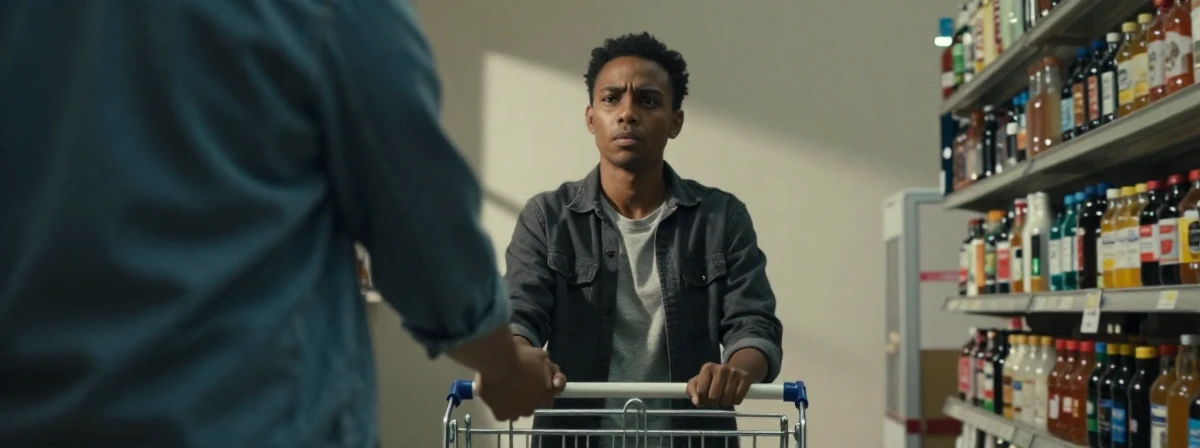
Front and center works wonders. Instead of approaching from behind, walk a few steps ahead and stand directly in front of the person. Then speak. This way, even if they can’t see well, the voice comes from where they expect interaction to come from. It’s like turning on a flashlight instead of whispering in the dark.
The power of the guiding hand. A gentle hand on the shoulder (like you’d do at a crowded bar) while saying “Excuse me, I need to get past” is perfectly fine. Just make sure it’s not a surprise touch—give a verbal cue first. Think of it like guiding someone through a doorway—you’re both in this together.
Everyone just wants to be treated like… well, everyone. Whether someone is blind, deaf, or just navigating middle school, the golden rule holds: be clear, be kind, and be direct. It’s like learning a new language—the more you practice, the easier it gets. And trust me, the person you’re interacting with would rather you mess up and be genuine than stay silent out of fear.
So next time you find yourself in that awkward moment, remember: a little direction goes a long way. And hey, if all else fails, just bust out a Guns N’ Roses reference. It’s the unexpected solution to every problem.