
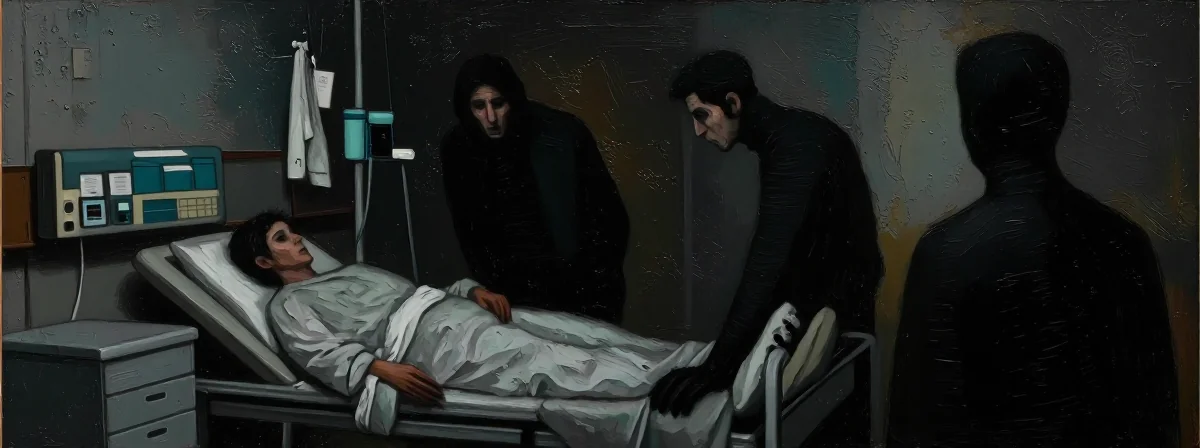
Some of us have walked through the doors of a hospital feeling sick, vulnerable, and hoping for care—and walked out feeling worse, not from the illness, but from the treatment we received. You know the feeling: the cold dismissal, the muttered comments, the sense that you’re an inconvenience rather than a patient. This isn’t just a bad day at the office—it’s a breakdown of something fundamental in healthcare. Let’s talk about it.
Historical precedent suggests that patient care has always been a balancing act between medical necessity and human dignity. But when that balance tips entirely toward indifference, something has gone terribly wrong. From an academic perspective, the research indicates that disrespectful treatment in healthcare settings correlates with poorer health outcomes—a fact that should concern us all.
What History Tells Us
Complaining isn’t selfish—it’s necessary. Many of us hesitate to report poor treatment, thinking we’re being difficult. But the truth is, hospitals rely on feedback to improve. When you report an incident, you’re not just seeking justice for yourself—you’re helping prevent it from happening to someone else. Historical records show that patient advocacy movements gained traction precisely because individuals stood up and said, “This is not acceptable.”
It’s not normal, and you know it. Every culture, every era, has had its version of healthcare, and one constant is that care should be humane. When you’re treated like an annoyance, your gut tells you something is off—and it is. From an academic perspective, the research indicates that professional standards in nursing and medicine explicitly forbid behavior that disregards patient dignity. Don’t let anyone convince you otherwise.
One bad apple can spoil the bunch—but sometimes it’s the barrel. You might encounter a single nurse with a bad attitude, or you might find an entire unit where callousness is the norm. The latter often points to deeper issues—poor management, burnout, or a toxic work environment. Long-time nurses will tell you that toxic units are like that: they make everyone miserable, including the patients.
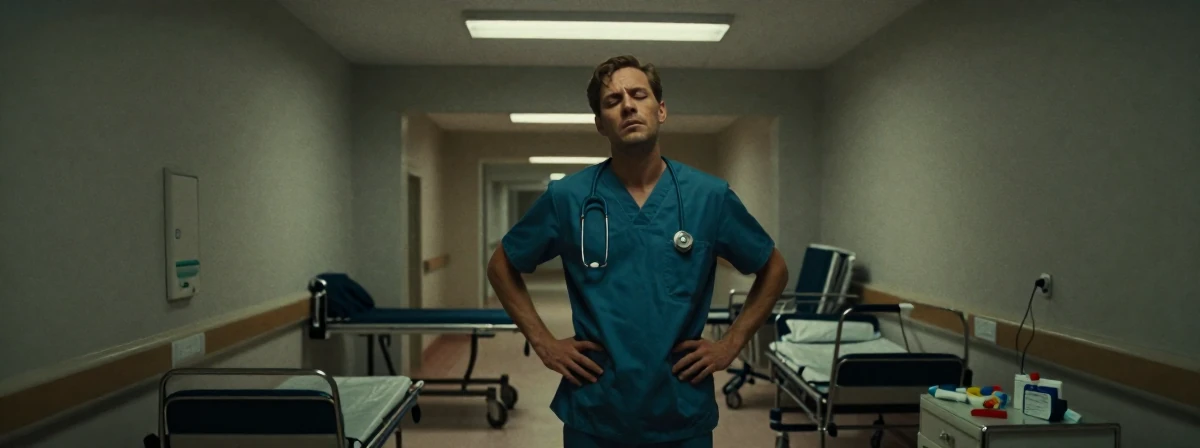
- Anesthesia doesn’t excuse bad behavior. Yes, patients can be disoriented coming out of anesthesia. But healthcare professionals are trained to expect this. Making excuses for rudeness by blaming the patient is a cop-out. A good nurse or doctor adapts, not acts out. Historical precedent suggests that even in the earliest days of anesthesia, caregivers understood the need for patience and clarity.
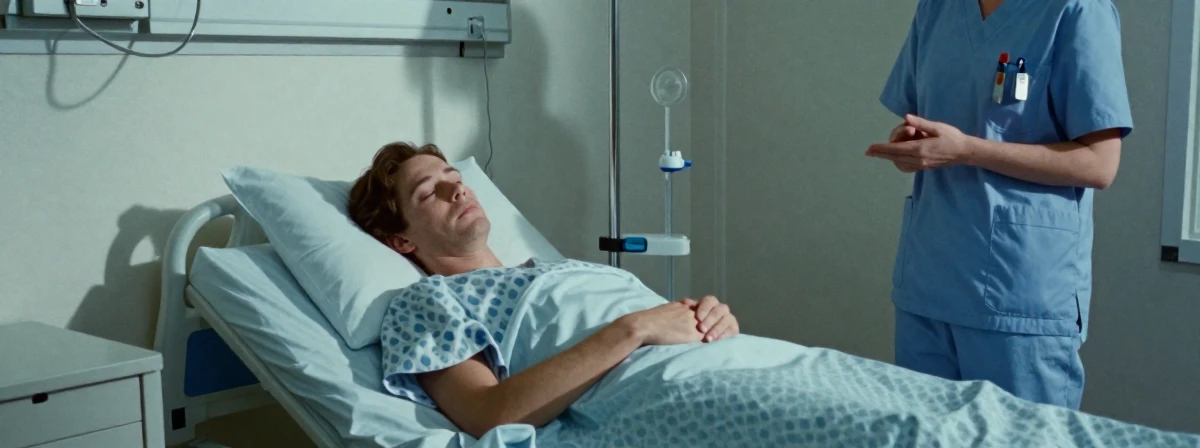
Your memory matters—write it down. Details fade when you’re recovering, but hospitals keep records. If you report an incident, having specifics—names, times, what was said—can make all the difference. Many hospitals have patient relations departments specifically for this reason. Don’t underestimate the power of your own account.
Not all hospitals are created equal. Some facilities pride themselves on compassionate care, while others seem to operate on autopilot. If you consistently have bad experiences at one hospital, it might be time to consider other options if possible. From an academic perspective, the research indicates that hospital culture significantly impacts patient satisfaction and outcomes. Some places simply don’t prioritize kindness.
Reporting can feel futile, but it’s not. You might worry that your complaint will go nowhere—that hospital administrations don’t care. While some may be slow to act, many take patient feedback seriously. Think of it this way: if no one reports, how will they know? Your voice could be the catalyst for change.
Sometimes it’s the system, not the people. Overworked staff, understaffing, and unrealistic expectations contribute to poor care. That doesn’t excuse bad behavior, but it explains why it happens. Historical records show that healthcare has always been under pressure, but modern systems often amplify these issues rather than mitigate them.
Your experience is valid, period. Don’t let anyone minimize what you went through. Whether it’s a nurse rolling her eyes or a doctor dismissive of your concerns, your feelings are real. Patient advocacy is built on the principle that every patient deserves respect. If you felt disrespected, you were.
Take care of yourself after. Dealing with poor healthcare treatment can be traumatic. Seek support from friends, family, or even a therapist if needed. Your well-being matters, now more than ever. Historical precedent suggests that the emotional toll of healthcare experiences is often underestimated.
The next time you’re in a hospital and something feels off, trust your instincts. You’re not being difficult—you’re being a responsible advocate for yourself and others. Reporting isn’t just about getting someone in trouble; it’s about upholding the standards of care we all deserve. After all, healthcare is a human endeavor, and it should always treat us like humans.