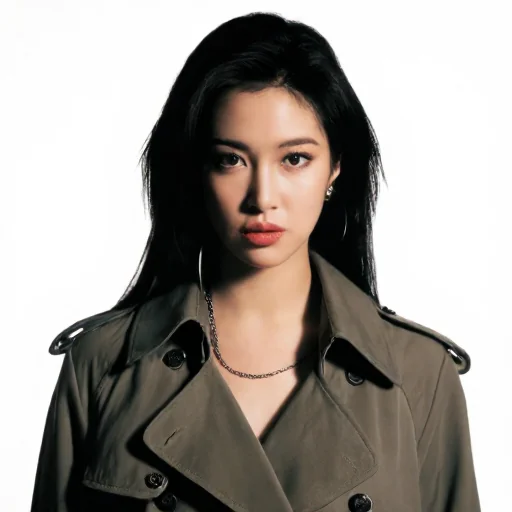
Ever notice how the moms in today’s movies look… off? Not bad, exactly, but like they’re playing a role that’s just a shade too perfect. Like their faces are holding still, just a little too deliberately. It’s a subtle thing, but it’s there—especially if you’ve seen movies from the 80s or 90s and compare. Something’s changed. The clues aren’t just in the makeup or the lighting; they’re in the actresses themselves.
What started as a trend to stay relevant has become something else entirely. Actresses in their 40s and 50s aren’t just aging—they’re aging on pause. And the ripple effects are rewriting Hollywood’s casting playbook. Let’s unpack the evidence.
Why Do Today’s Actresses Look So… Young? The Frozen Face Clues
Look at the evidence: Jennifer Lopez at 56, Jennifer Aniston at 57—they’re not just holding their age; they’re defying it. Compare Diane Keaton in Baby Boom (31) to someone like Jennifer Lawrence today (also in her late 20s/early 30s). The vibe is different. Keaton had wrinkles, laugh lines, the natural wear of someone who’s lived. Lawrence’s contemporaries? Often smoother, tighter, almost sculpted.
This isn’t just about plastic surgery, either. It’s a cultural shift. Botox, fillers, and skincare routines have become as routine as coffee. The “frozen face” isn’t a rare anomaly; it’s becoming the norm. And when you freeze one part of aging, you highlight the parts you can’t freeze—like necks, hands, or the way hair thins. The result? A disconnect.
The Missing Midlife: Where Did All the 40-Somethings Go?
Hollywood used to have a clear progression: young ingenue, then mom, then wise elder. Now? The jump from ingenue to elder feels too big. Actresses skip the middle. Think about it: Cameron Diaz and Jennifer Lawrence have both scaled back schedules, often citing family or burnout. Is that a coincidence? Maybe they’re avoiding the awkward midlife phase where roles thin out and pressure to “stay young” peaks.
The evidence is in the roles. In the 90s, Diane Keaton played moms in her late 30s. Today, actresses that age are either still playing leads or suddenly playing grandmas. There’s a void in the 40-55 range. And casting directors are scrambling.
CGI and Make-Up: The Last Hail Mary for Aging Actresses?
When natural aging isn’t an option, what’s left? Hollywood’s answer: tech. CGI can smooth wrinkles, and makeup can contour away imperfections. But there’s a limit. As one industry insider put it, “It’s easier to go from pretty to ugly than ugly to pretty.” In other words, aging up a young actress is simpler than trying to make a frozen-faced 45-year-old look like a believable mom.
The clues are in the details. Compare Jamie Lee Curtis today to her role in True Lies (25 years ago). The difference isn’t just age; it’s texture. Today’s Curtis is smoother, more perfected. In True Lies, she had the lived-in look of a woman in her 30s. Today’s actresses, even with perfect skin, lack that lived-in quality.
The Unspoken Truth: No One Wants to Play a ‘Normal’ Mom Anymore
Here’s the uncomfortable part: actresses aren’t just aging differently; they’re rejecting the “normal mom” role. Why? Because it’s no longer glamorous. The hero moms of the 80s and 90s—Meryl Streep in Married with Children, Susan Sarandon in Stepmom—were flawed, real, and beloved. Today? Moms are either perfect (like in This Is Us) or cartoonishly imperfect (like in Bad Moms). The middle ground is gone.
The evidence? Look at the box office. Films with relatable, aging moms don’t dominate like they used to. Instead, we get either super-moms or sitcom moms. The stakes are high: if Hollywood can’t cast believable moms, it risks alienating audiences who see their own lives reflected in those roles.
What Happens Next? The Reckoning for Hollywood’s Aging Script
So where does this lead? The clues suggest a reckoning. Either actresses will start embracing natural aging (unlikely, given the pressure), or casting will have to get creative. Helen Mirren and Meryl Streep are outliers—they’ve aged magnificently, but they’re exceptions. The rest? They’re stuck in a loop of youth extension.
The real question is: will audiences notice? Or will we all just get used to the frozen faces, the CGI tweaks, the ever-young moms? The evidence so far says we’re adapting. But the cost? A Hollywood where no one looks like a real person anymore. And that’s a problem no amount of plastic surgery can fix.