
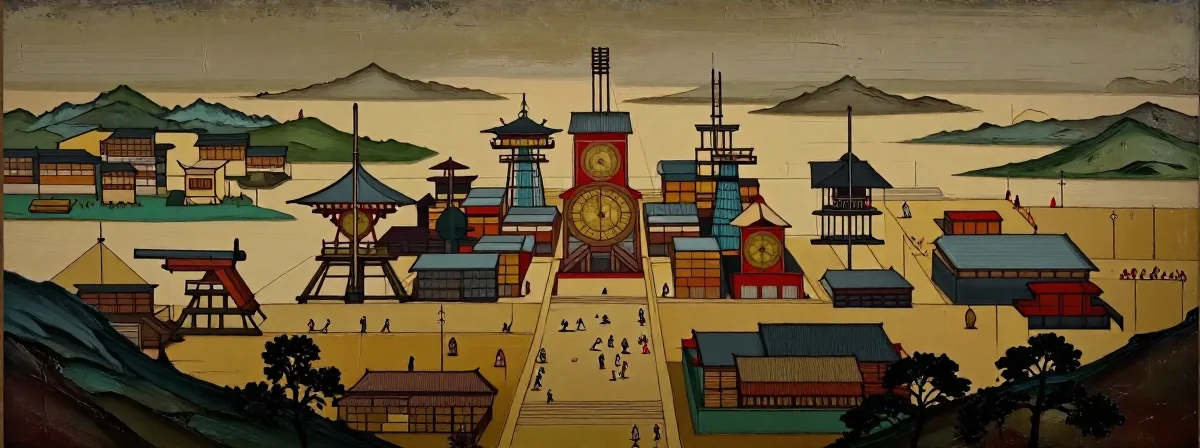
Some say history is written by the victors. But what if the victors deliberately left out the parts that don’t fit their narrative? What if the Song Dynasty wasn’t just another fallen empire, but something far more complex… something they don’t want you to see clearly.
You’ve probably heard the simplified story. Mongols ride in, China falls. End of chapter. But that’s not what really happened. Not even close. The truth is buried under layers of conquest, revision, and convenient forgetting.
What They’re Not Telling You
- The Song Were Defenders, Not Doormats
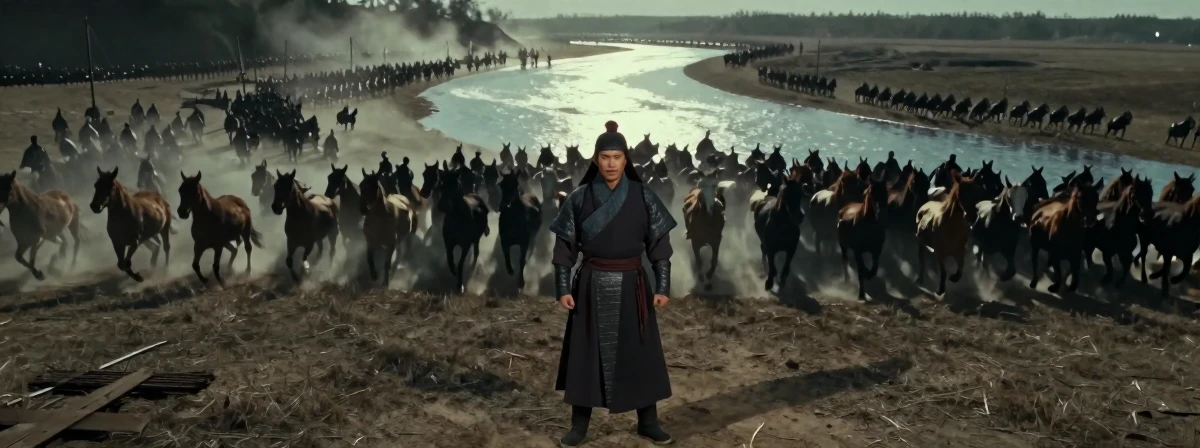
For 75 years, the Song Dynasty held off the Mongols on open plains. That’s not a typo. Think about it: the most feared cavalry force in history, repeatedly stopped by a dynasty supposedly “weak” in military terms. Their riverine defenses and gunpowder innovations weren’t just lucky inventions — they were decades-long strategic projects. The Mongols had to kidnap Chinese engineers and conscript entire villages just to breach Song positions. What are they hiding about those defenses?
The Jin Were the Real Nightmare
Before the Mongols even touched the Song, they were grinding against the Jin Dynasty for 23 years. The Jin were smaller, but their mountainous fortifications made Genghis Khan bleed manpower. Then something strange happened: the Song and Mongols teamed up against the Jin. Why? Because the Jin were considered more formidable than either of them. That alliance… it feels like a setup. Did the Song know something about the Mongols they weren’t sharing?The Missing Map of Power
You’ve seen the maps showing the Song “far from” the Mongols. But that’s only true in the final years. For decades, the Song frontier was directly adjacent to Mongol-controlled territory. The Yangtze headwaters gave the Mongols a direct line into Song territory — a line they couldn’t fully exploit for generations. If you could see the actual troop movements, not just the political boundaries, you’d see a different story. Where are those maps today?The Cost of Conquest
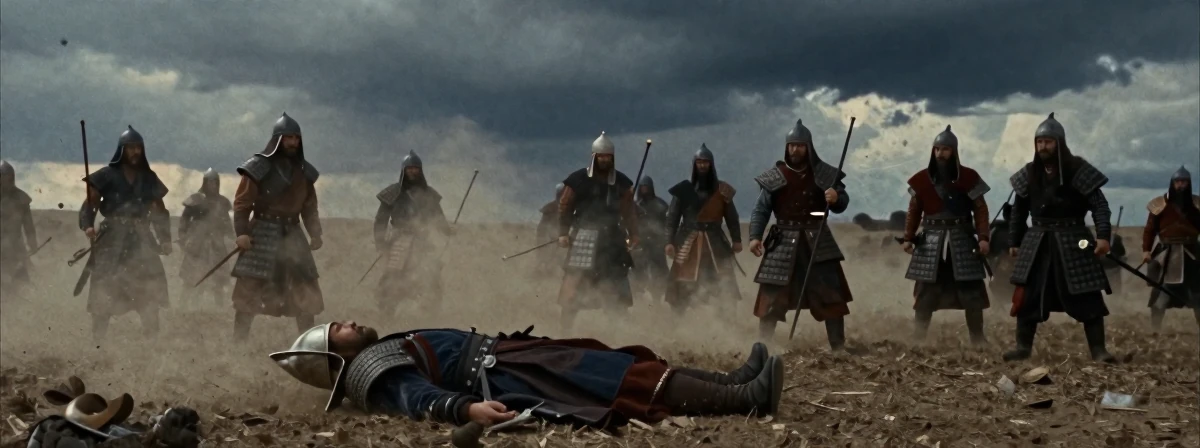
The Mongols deployed ten times the military strength in China than they used to conquer all of Europe. Why? Because China wasn’t a cakewalk. Möngke Khan, Genghis’s grandson, died during the Song campaign — triggering a devastating civil war that almost broke the Mongol Empire. If not for that internal chaos, the Song might have survived. Or worse… they might have fallen faster, and we’d know even less today. Coincidence? I don’t think so.
The Chinese Who Ruled the Mongols
After the conquest, the Yuan Dynasty wasn’t just Mongols ruling China. Chinese landlords held prime minister positions, Chinese generals commanded armies, and many Mongols ended up as indentured servants to Chinese families. The “conquerors” were quickly absorbed by the very culture they sought to dominate. Does that sound like a complete victory? Or something else entirely?The Forgotten Records
Chinese dynasties were meticulous record keepers. Yet large portions of Song military strategy and technological development are… missing. Not destroyed, just… absent. The Cambridge History of China acknowledges gaps that “cannot be filled.” What could possibly be so dangerous about Song military tactics that even Chinese historians can’t reconstruct them? It’s like someone deliberately tore pages from the history books.The Cycle They Can’t Break
From Qin to Ming, Chinese dynasties followed the same pattern: scholars rule, military weakens, internal strife grows, then collapse. The Song tried to break it by centralizing power in Confucian bureaucracy — and still lasted centuries. The Ming followed the old model and fell apart from within. The Song’s “weakness” might have been their attempt to do something different. And maybe… just maybe… that’s why they had to be erased from the narrative of “inevitable Mongol victory.”
The Question Remains
The Song Dynasty wasn’t just fighting the Mongols. They were fighting the future — a future where their innovations, their defensive strategies, their very existence as something other than “the dynasty that fell to the Mongols” would be forgotten. The Mongols may have won the battles, but someone else won the war of memory. Who are they, and what else have they rewritten?
History isn’t just about what happened. It’s about what we’re allowed to remember. And right now, we’re only being shown half of it.