
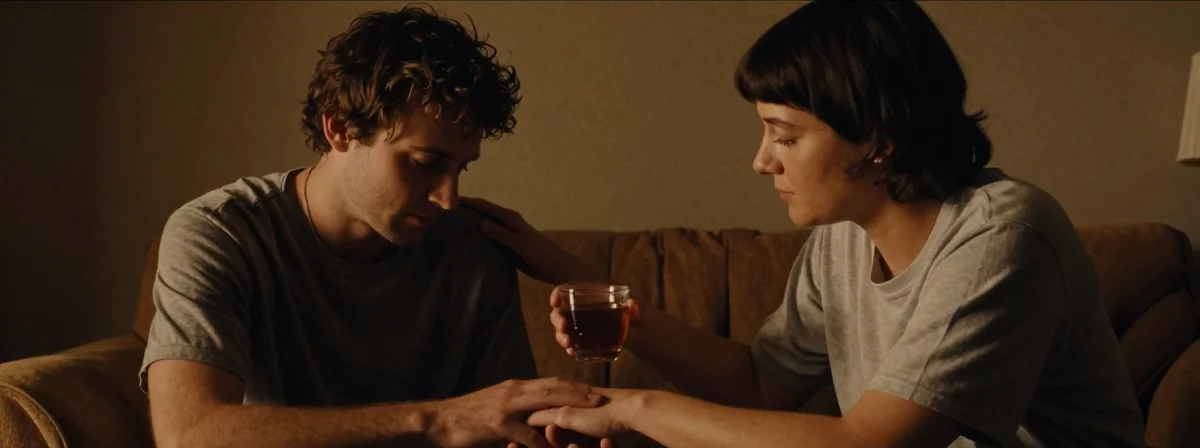
Some of life’s most profound truths hide in plain sight—especially when it comes to recognizing who might walk with you through everything. We often look for grand declarations or dramatic gestures, yet the quiet moments when someone truly shows up for us in our vulnerability reveal more about their character than any romantic speech ever could. It’s in those unscripted moments of need that we discover whether someone is merely tolerating us or truly partnering with us.
The most reliable indicator of a lifelong partnership isn’t found in grand gestures but in how someone responds to your discomfort. It’s the difference between someone who offers empty platitudes and someone who quietly takes action. This distinction isn’t about grand gestures—it’s about consistent, thoughtful care that emerges naturally when someone truly sees you.
Consider the wisdom of ancient traditions that understood the importance of practical care over poetic promises. The same way a gardener knows a plant’s true health by how it responds to neglect, we can gauge a relationship’s depth by how it handles life’s inevitable discomforts.
What Does True Partnership Really Look Like?
We’re often taught to value grand romantic gestures—the expensive gifts, the dramatic rescues, the perfectly planned surprises. Yet the most telling moments come when neither person is performing at their best. It’s when you’re sick in a strange place with no kitchen, and someone asks if they should simply lie beside you and stroke your hair. That simple question—offering presence over problem-solving—reveals a deeper understanding of what comfort truly means.
Or consider the man who, in the middle of the night during a painful tooth infection, not only provides painkillers but offers both a hot water bottle and an ice pack, letting you choose. This small act of offering options when someone is in pain demonstrates a profound respect for autonomy even in vulnerability. The true measure of care isn’t found in doing everything for someone, but in honoring their preferences even when they can’t articulate them.
These moments aren’t about grand displays of affection but about the quiet recognition that someone else’s discomfort is now part of your reality. It’s the difference between saying “feel better soon” and taking concrete steps to make that possible, like paying for an emergency dentist appointment when your partner can’t afford it.
The Power of Consistent, Small Acts
Relationships are built not on single heroic moments but on the consistent texture of daily care. The man who clears ice from his partner’s car every morning without being asked isn’t just performing a task—he’s signaling that her comfort matters before his own. This isn’t about grand gestures but about the cumulative effect of small, thoughtful actions that say “your ease is my priority.”
Consider the couple where one partner has health limitations. When this partner mentions discomfort during walking, the other doesn’t just acknowledge it—they plan every date and vacation around accessibility needs. This isn’t about enabling limitations but about creating a shared world where both partners’ realities are equally valued. The most profound acts of partnership aren’t about fixing problems but about acknowledging and respecting each other’s experiences.
Even in moments of perceived inconvenience, true partnership shines through. The man who discovers his partner was snoring loudly and still writes a sweet note before leaving for the computer lab isn’t just being kind—he’s demonstrating that even when practical needs override romance, consideration remains. These small acts build a foundation of trust that grand gestures can never replicate.
When Crisis Reveals Character
Crises have a way of stripping away pretenses. The woman who suddenly falls ill during a date and finds her partner not just taking care of immediate needs but planning a “do-over” date afterward isn’t just experiencing good luck—she’s witnessing a fundamental orientation toward partnership. This isn’t about crisis management but about maintaining relationship continuity even when plans go awry.
Consider the partner who, when you miss a concert you desperately wanted to attend, doesn’t just offer consolation—they drive three hours to surprise you with new tickets. This act isn’t about grand romantic gestures but about fundamentally understanding what matters to your partner and making it happen. True partnership isn’t about being able to solve every problem but about being willing to try.
Even in moments of personal crisis, the way someone shows up reveals their character. The partner who stays overnight in a hospital room, whether by choice or necessity, demonstrates that your physical presence isn’t required to maintain commitment. These moments aren’t about heroic sacrifices but about the quiet understanding that some bonds transcend physical proximity.
The Subtle Language of Partnership
Partnership has its own subtle language—often unspoken but deeply felt. The man who handles his partner’s grandmothers with respect and dignity during their first meeting isn’t just being polite—he’s demonstrating how he’ll treat the people who shaped her. This isn’t about impressing others but about showing respect for the entire history that brought you together.
Consider the partner who, when you’re diagnosed with a serious condition, doesn’t flinch but simply says “still come over” and offers to accompany you to get medication. This response isn’t about managing health crises but about maintaining relationship normalcy in the face of abnormal circumstances. True partnership isn’t about solving problems but about navigating them together.
Even in everyday moments, the signs of true partnership emerge. The partner who notices you don’t want to drink on a first date and courteously suggests ending it early isn’t just being polite—they’re demonstrating respect for your boundaries before you’ve even established them. These small acts of consideration build a foundation of trust that grand gestures can never replicate.
Beyond Words: The True Language of Commitment
Words are cheap; actions are expensive. The partner who communicates needs and fears directly rather than playing games isn’t just being transparent—they’re demonstrating that relationship integrity matters more than temporary comfort. This isn’t about avoiding conflict but about valuing honesty above all else.
Consider the partner who takes the time to understand your mental health experiences—even if they’ve never experienced them themselves. This willingness to learn and adapt demonstrates that your reality matters enough to be understood, not just tolerated. True partnership isn’t about having identical experiences but about valuing each other’s realities.
Even in moments of personal struggle, the way someone shows up reveals their commitment. The partner who remains calm during uncomfortable situations rather than fleeing demonstrates that your comfort matters more than their discomfort. These moments aren’t about heroic acts but about consistent, reliable presence.
The Moment Everything Clicks Into Place
There comes a moment in every relationship when something shifts—when you suddenly recognize this is more than just a good time. It might be when you see how someone handles your grandmother’s wheelchair with care, or when they surprise you with tickets to a show you missed, or when they simply lie beside you during illness without needing instructions.
This recognition isn’t about grand declarations but about the cumulative effect of small, consistent acts that say “I see you, I value you, and I’m committed to this.” It’s the moment when you realize this person doesn’t just tolerate your flaws—they actively create space for them.
True partnership isn’t about finding someone perfect but about recognizing someone who’s willing to be perfectly themselves with you. It’s about finding someone whose presence makes your life feel calmer, not more confusing. And it begins with those small, unexpected gestures that reveal more about character than any grand romantic speech ever could.