
You know that feeling when you walk into a room and everything’s in its place? The calm isn’t just in the air — it’s in your bones. That’s what these little habits do. They’re not about perfection. They’re about making life feel less like a scramble and more like a well-designed space you actually want to live in. They’re the difference between just existing and truly inhabiting your day.
What Works, What Looks Good
“Don’t put it down, put it away” isn’t nagging — it’s architecture.
Every item has a home. Not a random corner, but a deliberate spot. This isn’t about tidiness for its own sake. It’s about creating a physical environment that doesn’t silently drain your energy. When you walk into a kitchen and the salt shaker is where it belongs, the butter dish isn’t teetering on the edge, the air feels clearer. It’s the quiet elegance of a space that respects your attention.Morning quiet is your secret weapon.
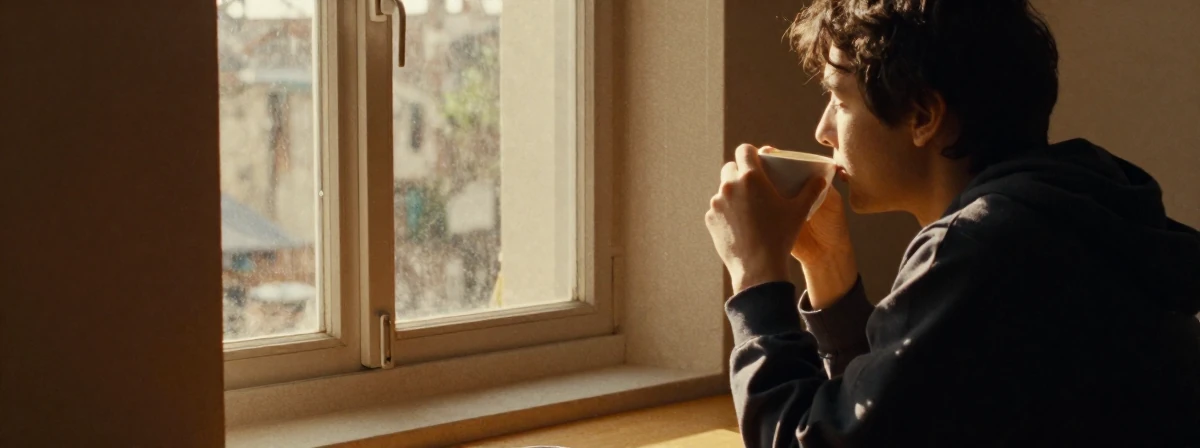
Before the phone buzzes, before the news blares, before anyone needs anything. Just coffee. Just the sound of your own thoughts waking up. It’s the difference between launching into the day at full speed and easing into it. This isn’t about productivity — it’s about presence. The rest of your day feels less like a race when you start with that quiet breath.
Tidying as you go is the ultimate design hack.
Waiting for water to boil? Load the dishwasher. Tea steeping? Wipe down the counter. This isn’t about being a perfect housekeeper. It’s about recognizing downtime as an opportunity, not a pause. Your grandmother knew this — she wasn’t just cleaning; she was designing her day so the end-of-cooking cleanup didn’t feel like a punishment. The kitchen stays calm, and so do you.Folding laundry right out of the dryer is a tiny revolution.

Before: a mountain of wrinkled clothes, a weekly treasure hunt for a clean shirt. After: drawers that breathe, shirts that stand at attention, getting dressed in 30 seconds flat. This habit isn’t about the clothes — it’s about reclaiming that small, repetitive task and making it feel satisfying. It’s the difference between drudgery and a well-ordered system.
Making your bed is the anchor of your day.
No, it doesn’t magically solve problems. But when everything else feels chaotic, coming home to a made bed? It’s a small act of intention. It’s the first and last thing you do that says, “This space is curated.” And yes, some say it traps moisture — but that’s a design flaw in the bedding, not the habit. The point is the ritual, the tiny win that frames your hours.Walking away from arguments is the ultimate design move.
Not because you’re weak, but because you’re designing your own peace of mind. Let them have the “win.” Let them believe their assumptions. The real victory is in not carrying that energy. It’s a zen state — the argument implodes without you. Your design? Calm. Theirs? Chaos. You choose the architecture of your own mental space.Sleep isn’t optional — it’s foundational.
A specific bedtime. Seven to eight hours. No “I’ll sleep when I’m dead” bullshit. This isn’t about health trends; it’s about performance. When you bank those hours, your brain works better, your body moves easier, you actually enjoy your morning. It’s the quietest, most powerful habit on this list. Sleep well, design your day well.Eating the same breakfast and lunch is deliberate design.
Not because you’re boring, but because your gut loves routine. The same meals daily? It sounds monotonous, but it’s the opposite. It’s freeing. No decisions, no digestive chaos, just fuel that works. Your body thanks you. And when dinner comes, you can actually enjoy variety because your system isn’t rebelling.The two-minute rule is your productivity filter.
If it takes two minutes, do it now. Mail the letter. Hang up your coat. Wipe the counter. These aren’t big wins, but they’re the scaffolding of a well-run life. They stop small tasks from piling up into mountains. It’s the difference between a system that hums and one that groans under the weight of unfinished micro-tasks.Savoring the chaos is wisdom.
You miss the quiet before kids. Then you miss the chaos when they’re gone. It’s a paradox, but it’s true. The habit here isn’t to force one state or the other — it’s to appreciate what you have, right now. Train yourself to see the beauty in the messy kitchen, the laughter in the noise. It’s the ultimate design principle: love the space you’re in, exactly as it is.
The Design Verdict
These aren’t grand gestures. They’re the seams, the joints, the small details that hold the whole thing together. They’re the difference between a life that feels like it’s happening to you and one that feels designed by you. Start with one. Feel how it shifts things. Then add another. Before you know it, you’ve built a life that looks good, feels good, and actually works. Now that’s the kind of technology worth loving.