
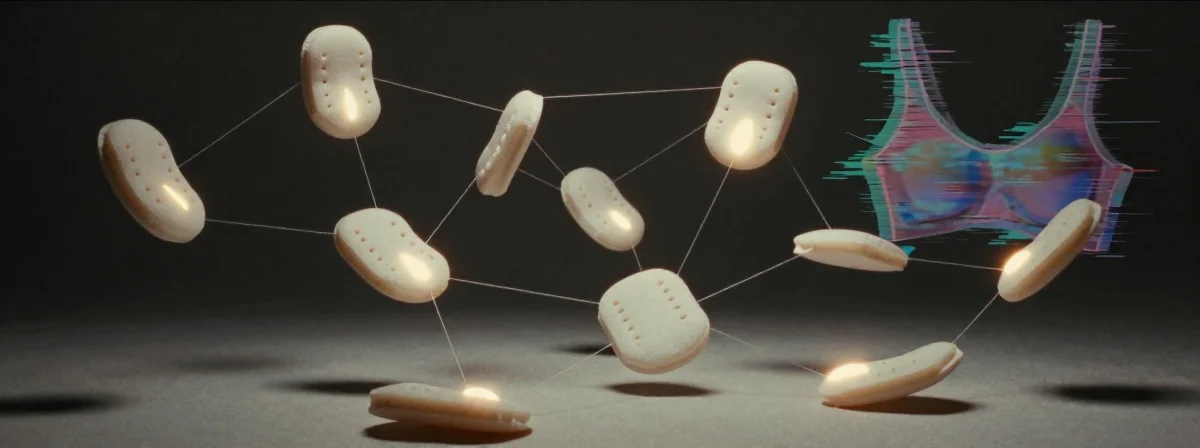
Ever notice how some swimsuits and sports bras come with these little foam pads that you’re supposed to wrestle in and out? I’ve been doing this since the 80s, and I’ll tell you—some things in tech and fashion just don’t make sense. Like why we’re still dealing with removable padding in 2026 when we’ve got AI designing our clothes. Let’s break this down.
A Veteran’s Take
- I just take them out and throw them away. Back when we had to manually adjust everything, I remember tossing those pads in the trash the first time I wore a new bikini. Who has time for that? I’ve seen better engineering in my old Commodore 64 case—those things were built to last, not this flimsy padding nonsense.
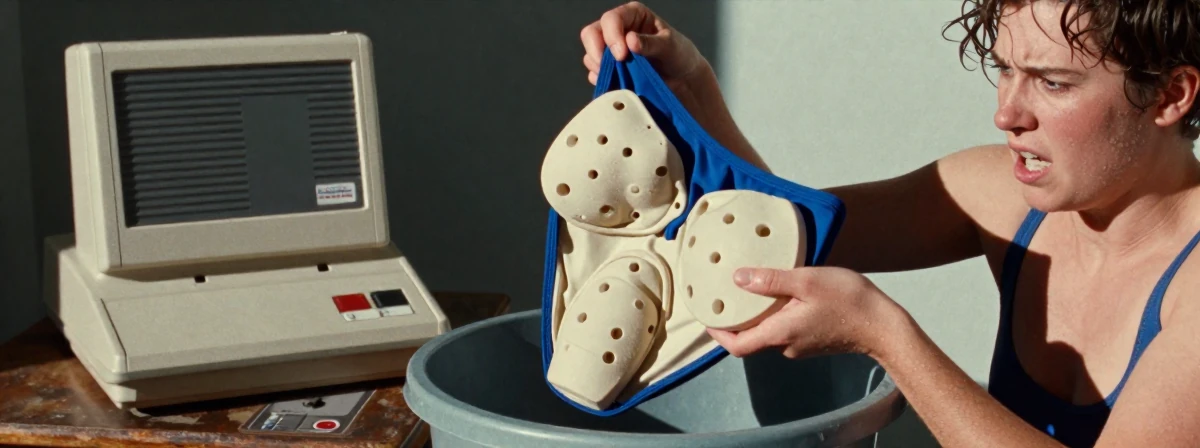
Sewing them in is the obvious solution. I used to get so frustrated restuffing pads after every wash. Then one day—I don’t even remember whose brilliant idea it was—I grabbed a needle and thread. A few quick stitches through the pad and the inner layer, and boom. No more adjusting. It’s like when we first learned to program our VCRs instead of manually setting the clock every week.
The manufacturing “cost savings” myth. Honestly, this drives me nuts. I’ve dealt with enough manufacturers through my rental properties to know that adding complexity always increases costs. Those removable pads require special fabric pockets, reinforced openings, and separate components. It’s like saying floppy disks were cheaper than hard drives—back when we had to.
Bra-sized swimsuits exist—but they cost more. You can actually buy swimsuits and sports bras that are more like traditional bras and sold in bra sizes, and you won’t have to deal with the crappy removable pads. They’re more expensive, but worth it to me because they provide actual support. It’s like paying for a real computer instead of one of those disposable Chromebooks.
The laundry separation argument is weak. Those pads are cheap, so a lot of companies will just include them because it increases sales, knowing that many people will just throw them away. Instead of having to make 2 versions (one with padding sewn in and one without padding) they can just make one product, which saves them money. It’s like selling a computer with a useless port just to say it has more features.
Some people actually need those removable pads. I used to get so annoyed by the removable cups but I work in a lingerie store now and have had so many cancer survivors tell me what a godsend the removable cups are. I’ve come to realize that less variations are easier for manufacturing (and we already have so much clothes waste) and I’d rather be inconvenienced by the removable cup than not have it be there for people that need it. It’s like how we kept floppy drives around for a while—some people still needed them.
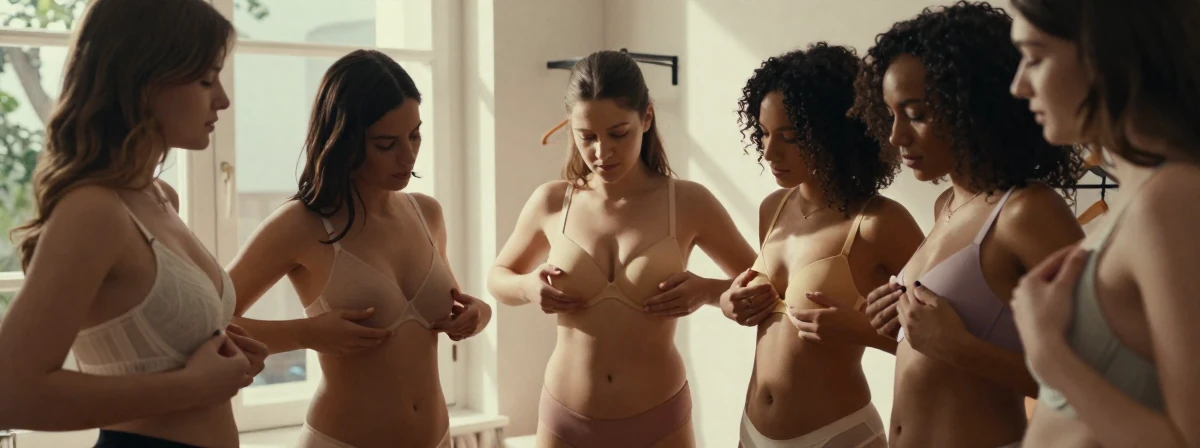
- Sewn-in padding prevents chafing. Sewing the pad in = adding an unnecessary seam Seam + wet skin + repeated motion = chafe. No seam = no rub point = no chafe. I own three Nike sports bras with sewn-in cups and will never buy another sports bra. It’s like the difference between a CRT monitor and an LCD—once you go there, you never go back.
The Bottom Line
The padding debate reveals something deeper about consumer tech and fashion: we’re still designing with 20th-century thinking. Why not treat our bodies like the sophisticated systems they are? We’ve got smart fabrics that change color, GPS-enabled shoes, and AI that can predict our style preferences—but we’re still dealing with foam pads that fall out in the wash. Maybe it’s time we demanded better—or learned to sew like the veterans did.