
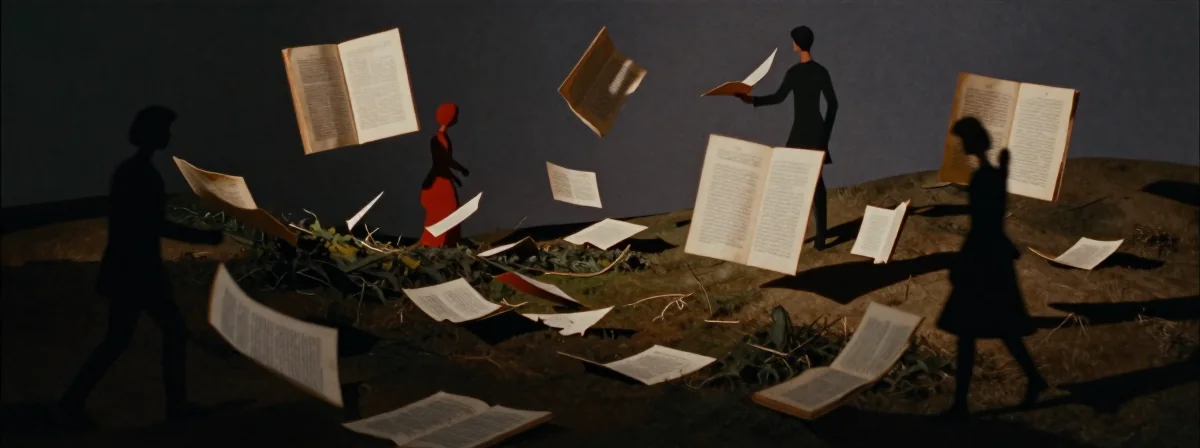
Some writers craft subtle metaphors that dance between the lines, while others wield their craft like a sledgehammer. When James Patterson allegedly wrote about the “murder of Stephen King,” he crossed a line that made even the most prolific authors flinch. The literary world has always had its share of metafiction, but Patterson’s alleged plot twist stands out as particularly brazen. What happens when authors stop writing about fictional characters and start writing about each other?
The controversy isn’t just about literary taste—it’s about the boundaries of creativity, the ethics of self-insertion, and how authors navigate the thin line between homage and hubris. The discussion often returns to Stephen King’s own meta-references in “The Dark Tower,” where he famously incorporated his real-life car accident into the narrative. But Patterson’s alleged approach takes a different, more provocative turn.
Did James Patterson Really Write About Stephen King’s Murder?
The rumor mill has churned for years about a James Patterson novel allegedly titled “The Murder of Stephen King.” In this supposed plot, a fan murders Stephen King, mirroring the real-life stalking King endured from a fan named Robert Breault. What makes this particularly jarring is King’s own history with fan obsession—he wrote “Misery” about a psychotic fan, and was himself stalked by Breault for years.
Patterson’s alleged plot takes this to another level by having the fan actually kill King in the story. The controversy isn’t just about the dark subject matter—it’s about the perceived lack of sensitivity. Did Patterson consult King before using his name and life story so directly? The answer remains murky, but the literary community’s reaction speaks volumes. When authors write about real events from each other’s lives, especially traumatic ones, they tread on delicate ground.
Stephen King’s Dark Tower: Writing About Real Life (The Right Way?)
Before we condemn Patterson, we should examine Stephen King’s own approach to self-reference in “The Dark Tower” series. King masterfully wove his 1999 car accident into the narrative, having one of his characters sacrifice himself to save the protagonist. This isn’t just a casual mention—it’s a profound literary device that transforms a personal trauma into universal storytelling.
What King did differently was incorporate his experience with depth and meaning. The accident wasn’t just thrown in for shock value; it served as a pivotal moment in the series, reflecting King’s own journey through recovery. When authors write about themselves, they have a responsibility to do so thoughtfully. King’s approach shows how self-reference can become a powerful storytelling tool when handled with care.
The comparison between King’s and Patterson’s alleged approaches highlights a crucial distinction: some authors use self-reference as a mirror, while others use it as a weapon. The difference lies not just in execution but in intent.
The Ethics of Author Self-Reference: Where to Draw the Line?
The literary world has long debated the ethics of authors writing about each other. From James Joyce’s subtle nods to fellow writers to more explicit metafiction, the practice exists on a spectrum. But when does it cross into problematic territory? The answer often depends on context, execution, and respect for the subject.
Consider the case of former Manchester United defender Steve Bruce, who allegedly wrote detective novels featuring a former player/manager turned detective. These books reportedly contained lines like “the realization struck him like a two-footed slide tackle from a defender.” While quirky, this self-referential humor works because it’s light-hearted and acknowledges its artificiality.
The issue with Patterson’s alleged plot isn’t just that he wrote about King—it’s how he allegedly did it. Without apparent consultation or sensitivity, the plot reads less like homage and more like exploitation. When authors write about each other, they should approach the material with the same care they’d want if the tables were turned.
Ghostwriting and the James Patterson Phenomenon
One complicating factor in this controversy is Patterson’s known use of ghostwriters. With hundreds of books to his name, it’s widely acknowledged that Patterson doesn’t write all his own material. This raises questions about accountability in literary controversies. If a ghostwriter penned the allegedly problematic material, who bears responsibility?
The James Patterson phenomenon highlights a larger issue in publishing: the industrialization of storytelling. When authors become brands rather than craftspeople, the quality and ethics of their work can suffer. This isn’t to say Patterson hasn’t written excellent books, but the controversy serves as a reminder that writing remains an art form, not an assembly line.
For readers, this raises important questions about what we value in literature. Do we prefer quantity over quality? Popularity over profundity? The Patterson controversy forces us to consider what we’re actually buying when we purchase a “James Patterson” book.
The Fan Stalking That Inspired the Controversy
To fully understand the context, we need to examine the real-life stalking incident that allegedly inspired Patterson’s plot. Stephen King was indeed stalked by Robert Breault, who sent him threatening letters and eventually confronted him at a book signing. This real-life trauma forms the backdrop to the controversy.
What makes this particularly sensitive is King’s own reaction to fan obsession. He’s famously protective of his privacy and wary of his fans. Seeing his name used in a plot about fan violence, especially without apparent consultation, would understandably cause discomfort. The incident raises important questions about the boundaries between public figures and their right to privacy.
For authors, this serves as a cautionary tale about using real-life events, especially traumatic ones, in their work. While creative freedom is essential, it shouldn’t come at the expense of others’ dignity or well-being.
Beyond Patterson and King: The Tradition of Author Metafiction
The Patterson-King controversy exists within a larger tradition of author metafiction. From Vladimir Nabokov’s playful self-references to Italo Calvino’s experimental narratives, writers have long toyed with the fourth wall. What makes this controversy different is the perceived lack of artistry and sensitivity.
When authors write about themselves or each other, they have an opportunity to create something profound. Instead of relying on shock value, they can use self-reference to explore themes of creativity, identity, and the nature of storytelling itself. The best metafiction doesn’t just reference reality—it transforms it.
For readers, understanding this tradition helps contextualize the controversy. We can appreciate Patterson’s alleged plot not just as a literary offense, but as a missed opportunity—a chance to create something meaningful instead of merely provocative.
Why This Literary Controversy Matters to Readers
At its core, the Patterson-King controversy isn’t just about two authors—it’s about our relationship with literature. When authors write about each other, they’re essentially asking us to consider how stories shape our understanding of reality. This meta-level thinking is what makes literature so powerful.
The controversy also highlights the changing landscape of authorship in the digital age. With social media making authors more accessible (and more vulnerable), the lines between public and private blur. How authors navigate this new reality will shape literature for generations to come.
For readers, this controversy serves as a reminder to be discerning. We should value depth over shock, craft over commerce, and sensitivity over sensationalism. The literary world needs more thoughtfulness, not less.
The Thin Line Between Homage and Hubris in Author Self-Reference
What ultimately separates great metafiction from problematic self-insertion is respect—both for the subject and for the reader. When authors write about each other, they should do so with the same care they’d want if the tables were turned. The Patterson-King controversy serves as a cautionary tale about crossing that line.
For aspiring writers, this controversy offers valuable lessons about the ethics of storytelling. Creative freedom comes with responsibility. The most memorable self-references aren’t just clever—they’re meaningful, respectful, and ultimately enhance the work rather than detract from it.
As readers, we should demand more from our authors. We should appreciate works that challenge us, not just those that shock us. The literary world deserves better, and this controversy reminds us why.