
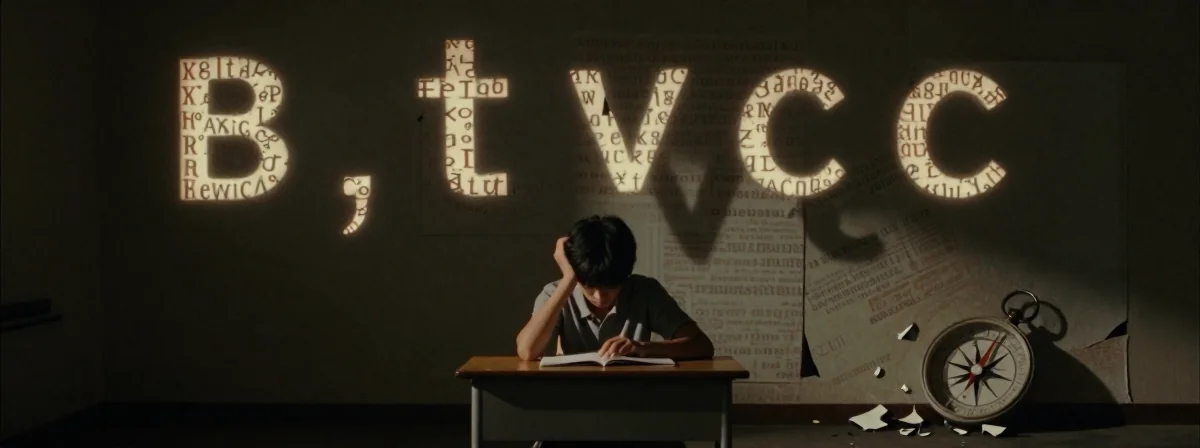
Schools are drowning in AI-generated homework, and most teachers can spot it a mile away. But here’s the twist: it’s not just about getting caught. The real problem is that AI homework is often “slop”—polished, but soulless. You’re not just risking a failing grade; you’re missing the point of learning entirely.
What happens when you rely on AI to do your thinking for you? You end up with answers that sound smart but lack depth. Shakespeare essays that read like a Wikipedia summary, math problems that get the numbers right but skip the reasoning. It’s like putting a bandage on a broken leg—temporary relief, long-term damage.
Educators know this, but they rarely talk about it openly. Here are seven brutal truths about AI-generated homework that no teacher will admit.
Why AI Homework Is the Ultimate Shortcut That Backfires
You think you’re clever using AI to write that essay or solve those equations. But here’s the catch: AI doesn’t understand nuance. It regurgitates patterns from existing data, creating work that looks correct but feels hollow. Teachers see through this because they’ve taught thousands of students—your AI-generated essay reads like a template, not a person.
The real danger? You’re not learning. You’re outsourcing your education. When you hand in AI work, you’re telling your teacher (and yourself) that you don’t value the process. And in education, the process is everything.
The “Polished Slop” Effect: When AI Makes Mistakes Teachers Can’t Miss
AI can mimic a remedial student, but it can’t mimic effort. If your AI essay has perfect grammar but zero original thought, a good teacher will flag it. Why? Because humans don’t write like that. We stumble, we correct, we have quirks. AI is too perfect—too uniform—to be believable.
The worst part? Even if you get away with it, you’re training yourself to outsource critical thinking. Next time you face a real problem, you won’t know how to solve it.
The Proof Is in the Proving: Why AI Homework Gets Caught (Even When You Think It Won’t)
You might think AI writing tools are foolproof, but they’re not. Teachers are using AI detectors now, and they’re getting better. Even if your teacher doesn’t explicitly say “this is AI,” they’ll notice the lack of engagement.
And here’s the brutal truth: it’s not just about getting caught. It’s about the ethical failure. You’re cheating yourself out of learning, and that’s something no detector can flag.
The Lazy Student Trap: How AI Makes You Look Even Worse
Remedial students who use AI don’t bother making it sound “remedial.” They hand in perfect work, which screams “I didn’t do this.” Teachers see through this because they’ve seen thousands of students struggle—and they know what real effort looks like.
AI might give you the answer, but it can’t give you the struggle. And struggle is where real learning happens.
The Shakespeare Paradox: Why AI Can’t Replace Human Insight
You can ask AI what Shakespeare means, and it’ll give you a perfectly reasonable answer. But here’s the problem: Shakespeare has been over-analyzed for centuries. AI has consumed all that data and is just regurgitating it.
But what about the parts of Shakespeare that are still debated? The parts that require original thought? AI can’t do that. It can’t create something new because it’s not human. It’s a remix of what already exists.
The Budgeting Hack: When AI Is Useful (But Still “Slop”)
Some students use AI as a starting point—editing it, refining it, making it their own. That’s a smart approach. But here’s the catch: you still need to put in the work. AI can give you a framework, but you have to fill it with meaning.
If you’re using AI to budget projects or get estimates, fine. But if you’re handing it in as your own work without adding value, you’re still creating “slop.”
The Final Truth: AI Can’t Replace Effort, Only Augment It
AI is a tool, not a shortcut. If you use it to help you learn, great. If you use it to avoid learning, you’re setting yourself up for failure. The most successful students use AI to enhance their work, not replace it.
So before you hit “generate,” ask yourself: Am I using this to learn, or to cheat? The answer matters more than you think.