
Some of us have tried to force square pegs into round holes. Like when you desperately want your cat and your neighbor’s dog to become best friends, only to find out they just stare at each other like, “Why are you even here?” It turns out, nature has its own version of this — and it’s way more fascinating than awkward pet interactions. Let’s talk about why some animals can mix it up while others just… can’t.
Seamless Integration
Think of chromosomes like zippers that need to match up
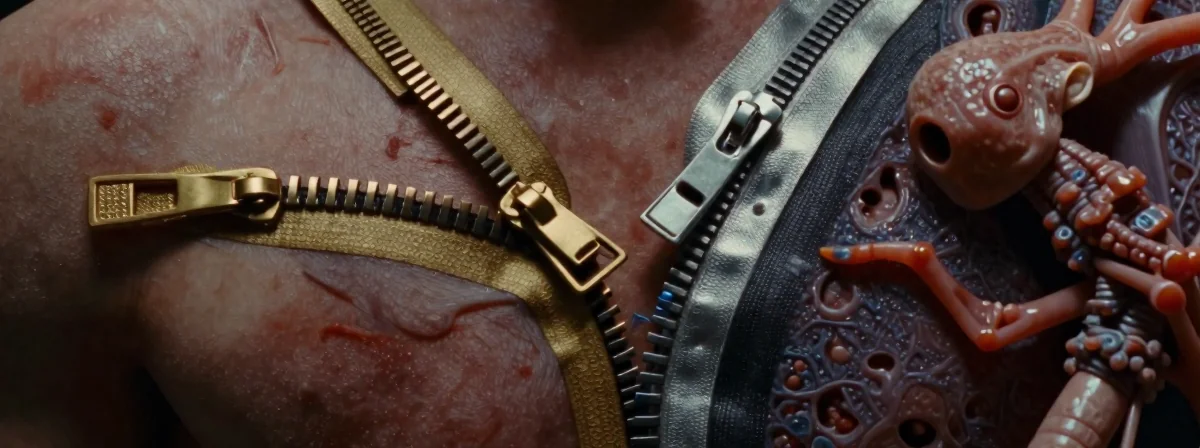
Imagine trying to zip two completely different zippers together. One has gold teeth, the other has silver — and some teeth are missing on one side. They just won’t connect properly. That’s what happens with most animal species: their genetic “zippers” (chromosomes) don’t align. Even if two species are close, like horses and donkeys, their chromosome counts are slightly off. The result? A mule that can’t have kids of its own. It’s like a zipper that barely closes — functional, but not fully functional. Nature’s version of “close enough, but not quite.”Sometimes, it’s not even about the zippers — it’s about the buttons
Some species are like trying to sew a button onto a zipper. Their reproductive systems are just fundamentally different. A grizzly bear and a polar bear can produce fertile offspring, but a horse and a cow? Nope. Their internal “instructions” for making babies are too different. It’s not just about the parts being there — it’s about whether those parts actually fit together in a way that makes sense. Like trying to install a Windows update on a Mac — the hardware is there, but the software just won’t run.The “species” rule is more like a guideline than a hard-and-fast law
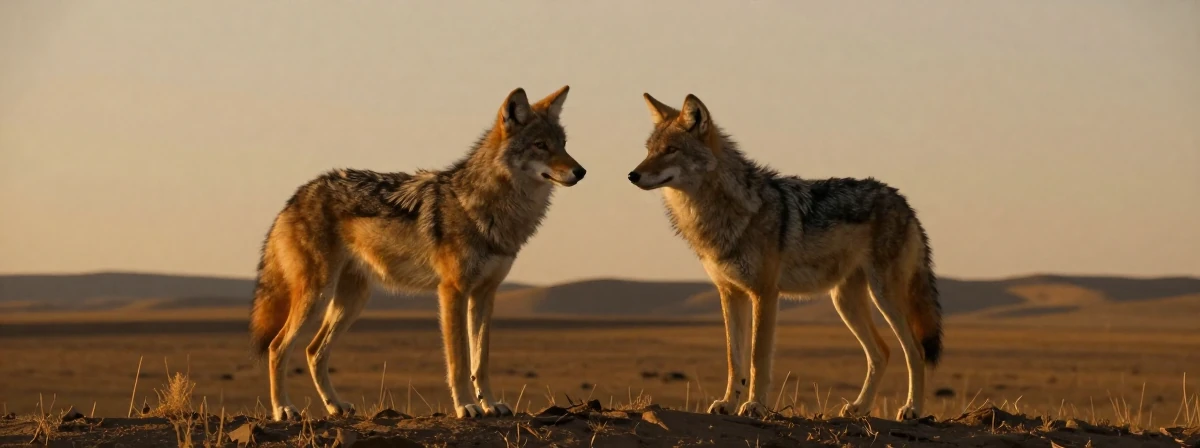
Remember how we learned in school that species can’t breed? Well, nature has a rebellious streak. Coyotes and wolves? They do it all the time. Humans and Neanderthals? Yeah, that happened too. The real rule is that if two groups can’t produce fertile offspring, they’re considered separate species. But the inverse isn’t always true — just because they can doesn’t mean they are. It’s like saying, “If you can’t swim, you’re not a fish.” But a dolphin can swim, and it’s definitely not a fish. Biology loves to break the rules we try to put on it.
- The real kicker? Sometimes the “hybrid” works just fine — until it doesn’t
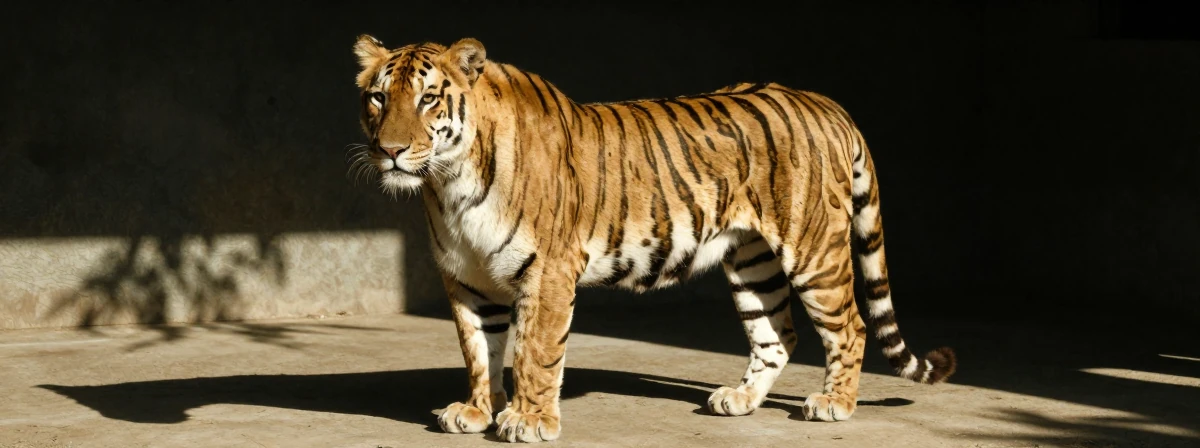
Take ligers (lion + tiger). They’re huge, they’re real, and they can survive just fine. But they’re usually sterile. Why? Because even when the zippers almost match, the resulting “zipper” (the hybrid’s genetic code) might be missing a crucial clasp. The mule, the liger, the zedonk — they’re all living proof that nature will try to bridge gaps, but sometimes the bridge collapses when it comes to making more hybrids. It’s like building a bridge with slightly different materials on each side — it might hold up for a while, but eventually, you’ll see the cracks.
- The bottom line: Nature’s about survival, not rules
At the end of the day, all this complexity comes down to one thing: what works, works. If two animals can produce offspring that can also have offspring, they’re in the same species club. If not? Well, nature doesn’t care enough to keep score. It’s all about what helps life keep going, even if that means breaking a few rules along the way. So next time you wonder why your cat can’t have puppies, remember: it’s not personal. It’s just biology being wonderfully, gloriously messy.