
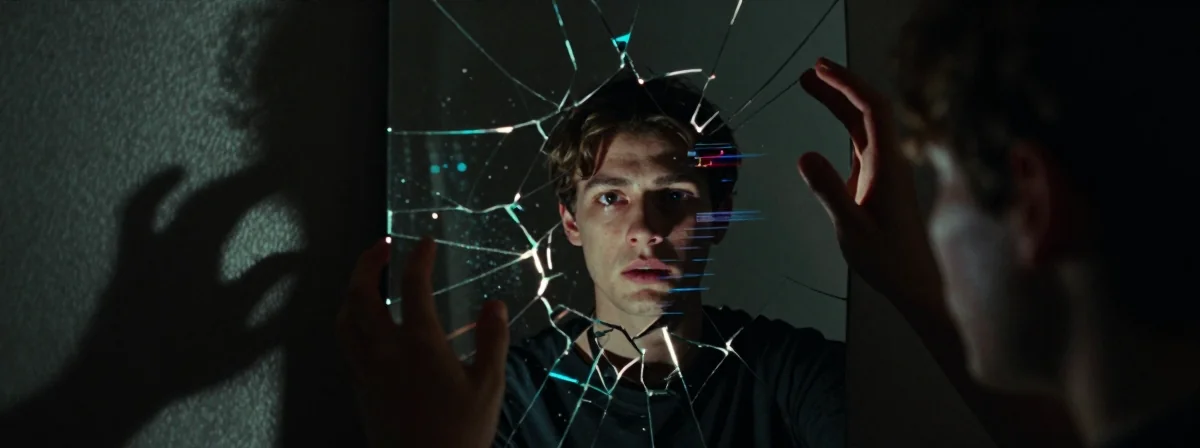
AI deepfakes aren’t just a futuristic nightmare—they’re already here, and they’re worse than you think. While you’re busy scrolling through your feed, someone could be generating explicit or fake content of you with a few clicks. The tech is advancing faster than anyone can keep up, and the consequences are real. Here’s what you need to know before it’s too late.
How Easy Is It to Make a Deepfake? (Spoiler: Too Easy)
Forget expensive software or technical skills. Today, anyone with a smartphone can download an open-source AI model and swap faces in seconds. The models are getting better, too—good enough to fool even trained eyes. If you can’t tell the difference between a real photo and a fake one, you’re already vulnerable. The barrier to entry is so low that “little Johnny” can now make realistic porn of his classmate with minimal effort. This isn’t science fiction—it’s your neighbor’s phone.
Why Are Tech Giants Trying to Stop It? (And Why It’s Not Enough)
Google, Microsoft, and Anthropic are adding safeguards to their AI tools to block unauthorized face swaps or voice cloning. But here’s the catch: Elon Musk’s Grok AI is actively ignoring these protections. Why? Because unrestricted access sells. While corporations try to slow the spread, the race to create more powerful (and dangerous) AI is already won. The genie is out of the bottle, and no amount of patching will stop it.
The Military Psyop You Never Heard About (And Why It Matters)
During the Iraq War, the U.S. military used deepfake-like tactics to make Iraqi soldiers surrender without a fight. Fake phone calls, emails, and even TV broadcasts convinced them their commanders had ordered a retreat. The military kept it quiet because it was too effective—and too cheap—to brag about. This isn’t ancient history; it’s proof that AI deception works. Today, the same tech is in the hands of civilians, and it’s being used for far worse.
Legal Battles Are Just Beginning (And You’re in the Crossfire)
The EU is already suing companies over deepfake misuse, but laws can’t keep up with tech. If someone makes AI porn of you, you might not even have a legal leg to stand on. Consent laws were written before AI could generate realistic fakes in seconds. By the time lawmakers catch up, the damage will be done. Don’t count on the system to save you—count on yourself.
The New Normal: Expect Your Image to Be Used Without Permission
Drawing porn of someone with a pencil is already legal. Why should AI-generated content be any different? That’s the argument tech companies are making, and it’s gaining traction. In a few years, the idea that you “own” your likeness will feel quaint. The expectation that anyone can generate anything with your face will become the norm. Get used to it—or fight back now.
How to Spot a Deepfake (Before It’s Too Late)
Most people can’t tell the difference, but here’s what to look for:
- Unnatural skin textures (too smooth or pixelated)
- Glitchy edges around the face
- Inconsistent lighting or shadows
- Awkward facial expressions
- Background distortions
Train your eye now, or you’ll be the last to know.
The Only Real Solution: Assume You’re Already Compromised
No app, no law, no tech will fully protect you. The best defense is brutal honesty: Assume someone has already tried to deepfake you. Lock down your photos, monitor your online mentions, and never share sensitive images. The fight isn’t about stopping AI—it’s about adapting to a world where trust is a luxury you can’t afford.