
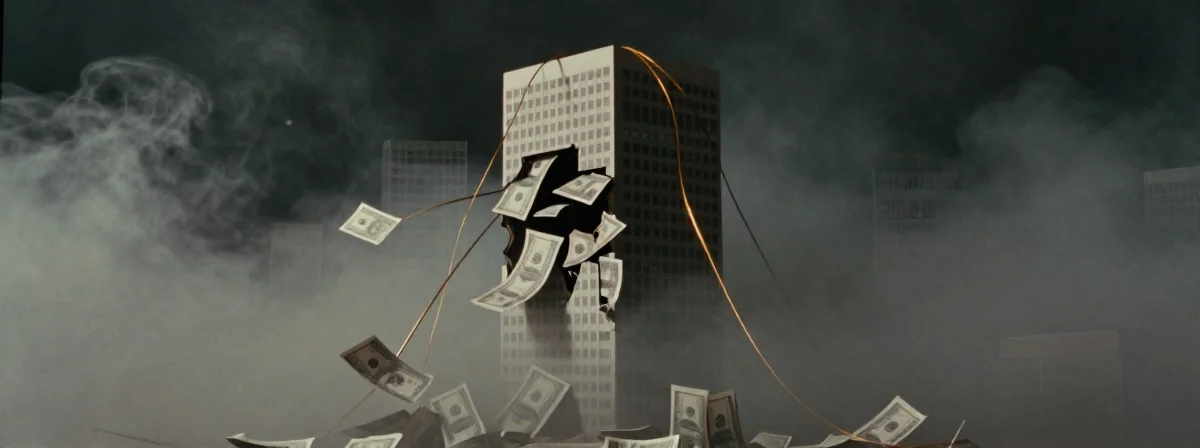
The numbers looked good on paper. Profits soaring, balance sheets clean. But when the 2008 bubble burst, those figures turned to dust overnight. What really happened behind the closed doors of Lehman Brothers? It wasn’t just about bad bets—it was a perfect storm of greed, illusion, and systemic failure. Let’s pull back the curtain.
The Twist
The Books Were Cooked Before Anyone Knew It
Lehman wasn’t just reporting profits—they were manufacturing them. Using something called a repo agreement, they’d temporarily sell junk assets to another firm, clean up their balance sheet for quarterly reports, and then buy the crap back the next quarter. It was like tidying your room for inspection, then letting it turn into a disaster zone again—except the “room” was a multi-billion dollar firm. The scheme only came to light after bankruptcy, but it wasn’t the main problem. It was just Lehman trying to hide how bad things really were—like putting a bandage on a gaping wound.They Were Betting 20 Times More Than the Actual Value
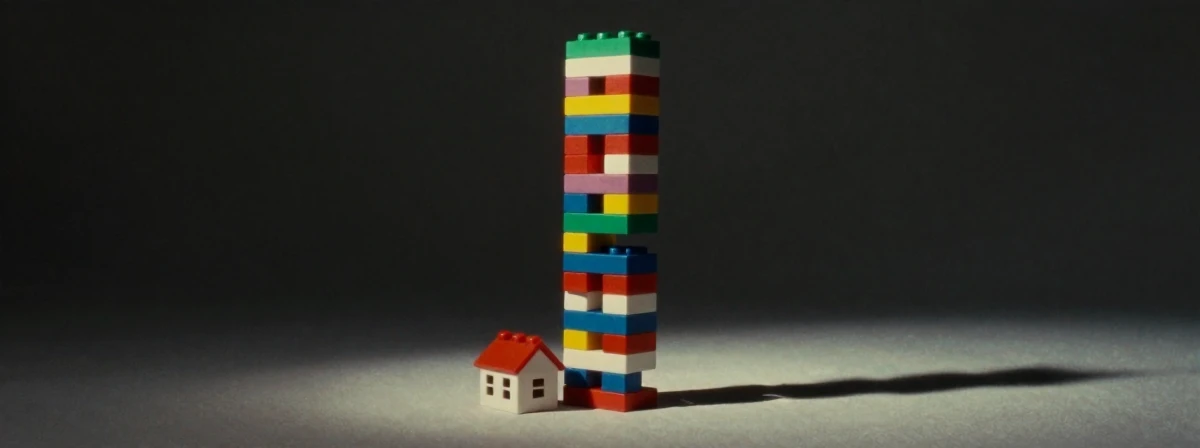
Imagine buying a $10 toy with a $200 loan, betting it’s worth $100. That’s what Lehman did, but with mortgages. The bets on those mortgage bonds were 20 times the value of the mortgages themselves. When the market turned, the house of cards collapsed. It wasn’t just overleveraged—it was leveraged to the point of absurdity. Any dip in value would spell doom, and the dip wasn’t small. It was a freefall.
- The AAA Ratings Were a Lie

Bundled mortgages were rated AAA, the gold standard of investments. But they were garbage. Lehman couldn’t even say how many would pay out—because the underlying mortgages were given to people who couldn’t afford them. Adjustable rates kicked in, payments went up, and people defaulted. Suddenly, those AAA-rated securities were worth nothing. It was like buying a mystery box expecting $20, only to find $5 inside—except Lehman spent their life savings on it.
Predatory Lending Fueled the Fire
Lenders gave adjustable-rate mortgages to people they knew couldn’t afford them. No income checks, no questions asked. The idea was that housing prices would keep rising, allowing borrowers to refinance before rates adjusted. But when prices stalled, people couldn’t make payments. The defaults snowballed, pulling Lehman down with them. It wasn’t just bad luck—it was a deliberate race to the bottom, where everyone profited until the music stopped.Profit Doesn’t Mean Safety—Liquidity Does
Lehman had profits, but they didn’t have cash. They were like a friend who owes you $10 but has nothing to pay you with. When the firm couldn’t meet its obligations, the run on Lehman began. They sold assets for pennies on the dollar, poisoning the market and making everything worthless. Suddenly, Lehman had nothing—just specks of shit where gold used to be. The collapse wasn’t just a failure of one firm; it was a failure of an entire system built on illusion.
What We Learned
The Lehman Brothers collapse wasn’t just about numbers—it was about human greed and the illusion of control. We see the same patterns today: bets too big to fail, ratings that lie, and profits built on shaky foundations. The real lesson? Don’t trust the surface. Look at what’s underneath. Because when the facade cracks, the truth is always uglier than you think. And sometimes, it’s too late to run.