You think you know what meat tastes like. You’ve had burgers and chicken nuggets, sure. But you’ve never tasted the raw reality of the animal kingdom. You’ve never tasted the desperation of a wounded creature or the purity of a well-fed farm animal. Most of the world eats things you wouldn’t believe. I’ve spent years testing the limits of the human palate, and the results are shocking. We aren’t just eating for survival; we are eating for pleasure. And the data is undeniable.
The Gold Standard Elk is the undisputed king of the wild. It’s lean, it’s flavorful, and it’s real. If you want to know what high-quality meat should taste like, that’s your baseline. It reminds you that meat is supposed to be clean, not gamey. It’s the difference between eating a manufactured product and consuming a living organism.
The “Chicken” of the Sea Alligator, frog legs, and snapping turtle all taste like muddy chicken. It’s a texture thing—firm, like lobster, but with that distinct reptilian flavor you can’t ignore. You have to get over the fact that you’re eating a reptile. Once you do, it’s not bad. But it’s never going to be a burger.
The Diet Matters You can’t just blame the animal. What they ate in life dictates what you taste. I’ve found deer that eat off farmers’ corn fields taste vastly different from those from swampy areas or pine forests. The same applies to pheasants and even domestic beefalo versus wild buffalo. It’s not just the meat; it’s the feed.
The Fear Factor Here is the uncomfortable truth I discovered through years of hunting and eating: fear tastes terrible. Animals that are initially just wounded taste worse than animals killed in one shot. Cortisol and adrenaline both taste terrible. It’s a biological fact. If you want to eat something that tastes good, you have to kill it instantly and humanely.
The Failures Some animals simply aren’t meant for eating. I’ve tried guinea pig in Peru—it was greasy, stringy, and gristly, exactly like a sewer rat. I’ve tried puffin. It tastes like liver, and not good liver. Fermented shark in Iceland is rubber soaked in ammonia. You have to learn the hard way that not everything on four legs is dinner.
The Camel I was in Saudi Arabia when a rancher killed a camel for us. We ate it with our hands, surrounded by cushions and tea. It was tough and fatty, but honestly? It was a cool experience. It tasted like slow-cooked beef. It proved that culture dictates flavor, not biology.
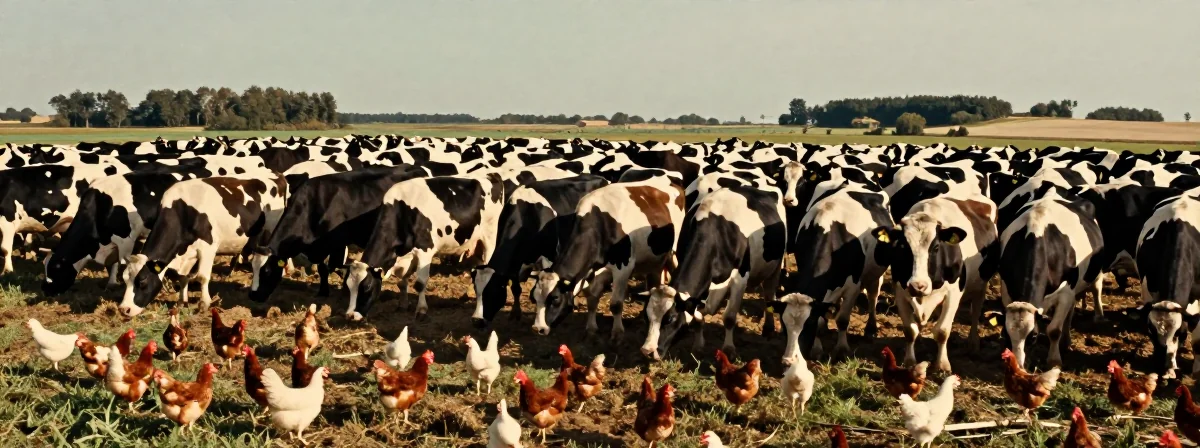
The Domestication Instinct It’s almost like over centuries we’ve discovered that cows and chickens taste better than most other land animals. It wasn’t a choice; it was a survival instinct. We domesticated the best-tasting animals because we had to. We kept the ones that gave us pleasure and ate the others for sustenance when we were desperate. We are hardwired to prefer the familiar because it’s safe. The wild is harsh, and the meat reflects that.
Open Your Eyes Don’t let anyone tell you that your preferences are arbitrary. Your taste buds are the result of millions of years of evolution. You crave beef and chicken because your body knows they are the most efficient fuel sources. The rest? It’s just a test of your survival instincts.