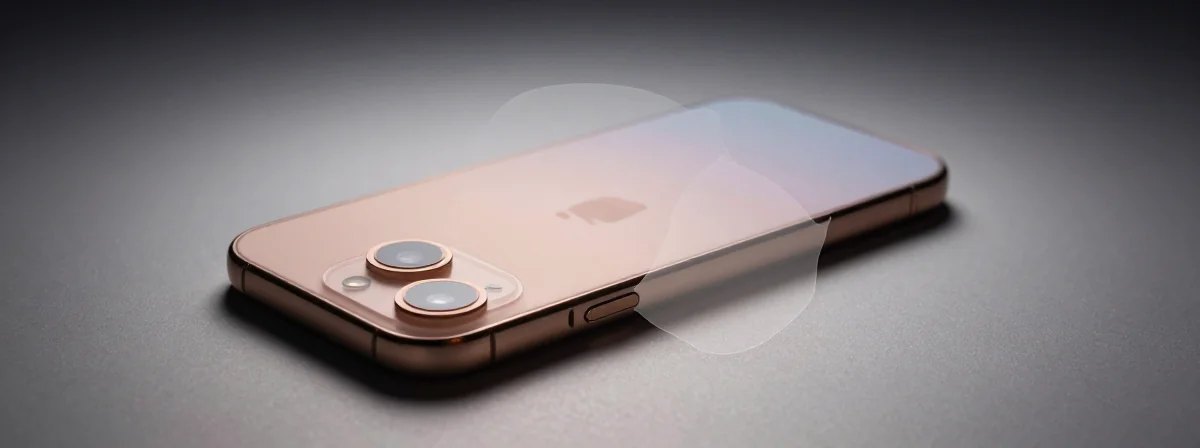
You drop a small fortune on a device promising aerospace-grade titanium, expecting it to withstand the rigors of daily life. Yet, months later, you notice the color on the buttons fading, exposing a raw, silver edge underneath. It looks like a defect. It feels like a failure.
But before you draft an angry email to customer support, we need to look closer at the forensics of what’s actually happening to that frame. The evidence points to a different culprit entirely.
Following the Evidence
It’s not paint, and it’s certainly not peeling. The immediate reaction is to assume the factory used a cheap spray paint that is flaking off, but the material science tells a different story. What we can verify is that Apple uses an anodization process—a method that oxidizes the metal surface to create a porous layer that absorbs dye. What you’re seeing isn’t a manufacturing defect where the coating is failing to stick; it is the result of physical abrasion slowly wearing down that surface layer. It’s not peeling; you are slowly sanding it off with your own hands.
Your body chemistry might be the weapon.
We see unconfirmed reports of two users with identical habits experiencing drastically different wear rates. The logical variable here isn’t the phone—it’s you. This remains unconfirmed, but the theory suggests that if your sweat has a higher acidity or PH balance, you are essentially etching the anodized layer away faster than the average person. Your phone isn’t just a tool; it’s a reactive surface in a chemical experiment with your skin.
The case is an accomplice, not a shield. It feels counterintuitive to blame wear and tear on a device that lives inside a protective rubber fortress. However, the friction from sliding the phone in and out of a pocket, or the microscopic shifting of the case against the frame, acts like sandpaper over months and years. The most exposed areas aren’t necessarily the ones you touch with your fingers, but the ones fighting a constant battle with fabric and plastic.
Wear is just a story you haven’t finished writing yet.
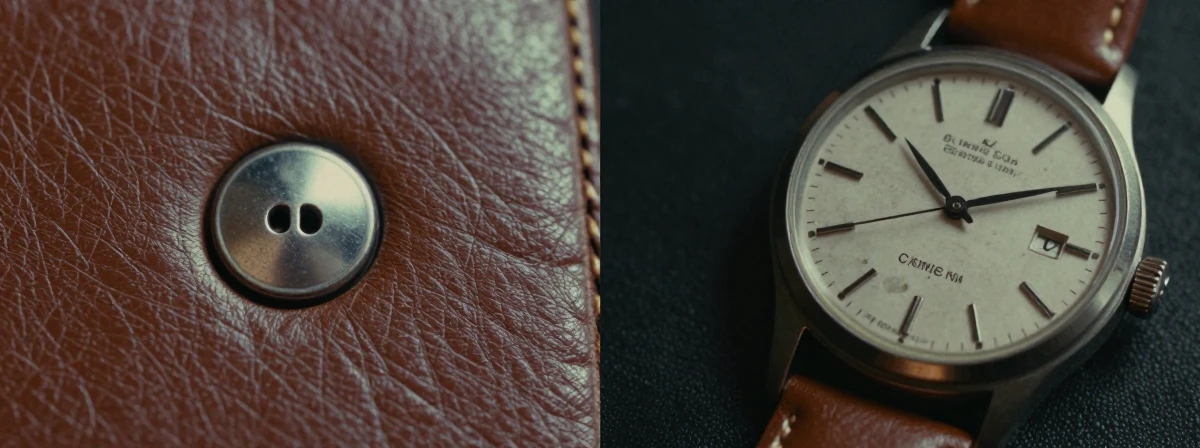
To the untrained eye, a faded button looks like damage that devalues the device. To the investigator, it’s data—proof of life. We see this same phenomenon in vintage watches, leather wallets, and well-used firearms; the “patina” adds character rather than subtracting value. You can view the fading color as a failure of durability, or you can accept it as the unique fingerprint of your daily existence.
- Raw titanium is the only true camouflage. Blue, white, and black anodized finishes will eventually reveal the silver underneath, making the wear obvious. Natural titanium is the only logical choice if you want to avoid the visual evidence of your existence on the device. It doesn’t hide the wear; it just makes it impossible to see.
The Search Continues
You can fight the physics of friction, or you can accept the evolution of your tools. A pristine device stays in the box; a used device lives in your hand. The fading color isn’t a bug in the system—it’s proof you’re actually using it.