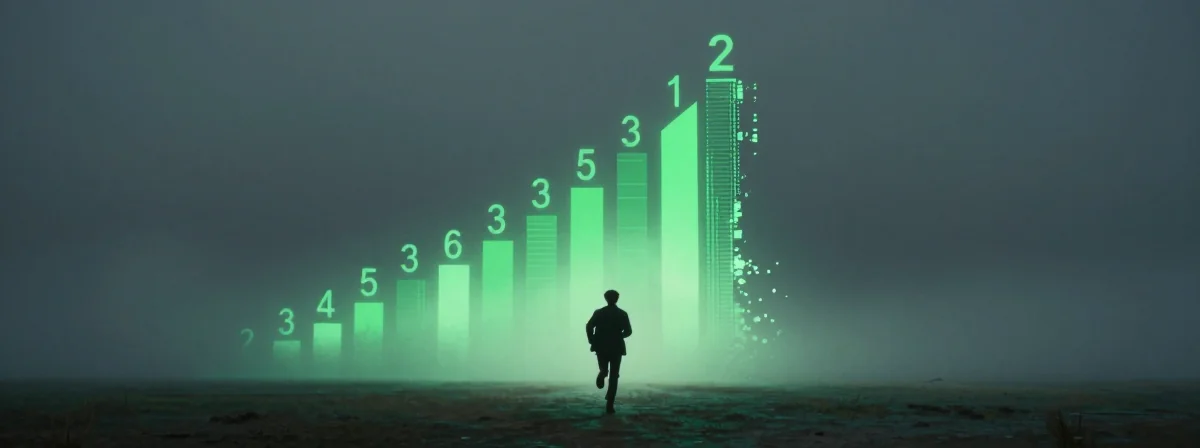
We often treat data as a sanctuary, a place where messy human biases are washed away by cold, hard facts. But look closer at the numbers we worship, and you’ll usually find they’re just reflections of the person holding the ruler. We try to measure the world precisely, yet we forget that the very act of measuring changes the landscape itself.
The Practice
The narrow focus creates a blind spot When you obsess over a single metric, like display efficiency, you inevitably miss the ecosystem around it. It is like studying a single leaf to understand the whole forest—technically accurate in a tiny vacuum, but practically useless for the life living within it. This explains why the tablets struggle and the newer phones soar; the test is built for a specific kind of light, ignoring the heavy lifting the modem and processor do in the background. When the map doesn’t match the terrain, it’s not the terrain that’s wrong.
You cannot silence the background noise Even when you wipe a device clean, returning it to a factory state, the digital hum begins immediately. Notifications pop up. Background processes wake up to index photos or finish setup tasks. You can try to create a sterile environment for testing, but life—and operating systems—is inherently chaotic. Pretending the phone sits in stillness while it’s actually buzzing with activity is a denial of its nature.
- Speed is the enemy of depth

There is a restlessness in modern content creation where the schedule dictates the truth. If a deadline is approaching and the data is still messy or incomplete, the pressure is to publish anyway rather than to pause and correct the course. It is a choice to honor the calendar over the reality. Releasing information you know to be flawed, simply to keep a promise to the algorithm, is building a foundation on sand.
- Your experience is the only benchmark that matters
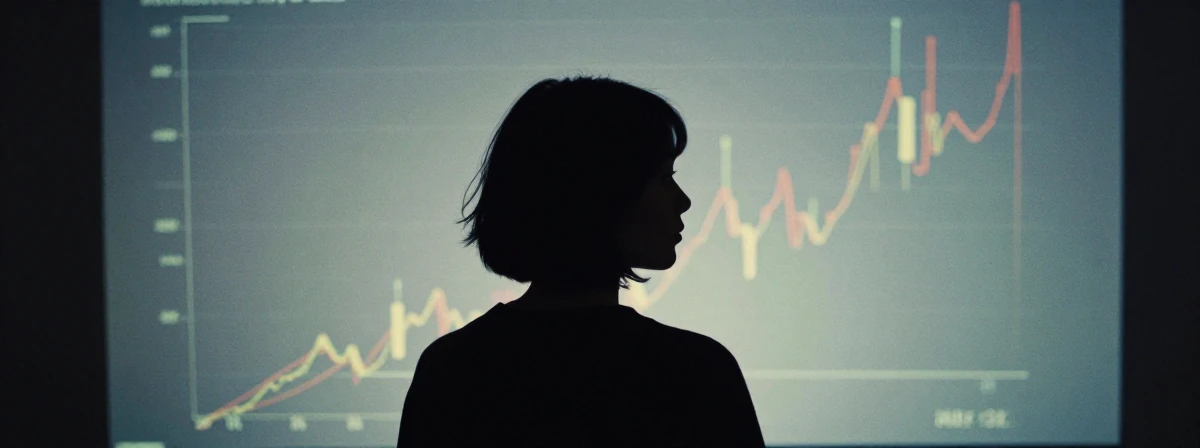
In the end, the graphs and the stress tests fade into the background, replaced by the simple reality of your day. If the battery lasts through your morning meditation and your evening commute, that is the only efficiency that truly exists. Loving the battery life on your own device isn’t about how it scores in a lab; it’s about how it serves you in the quiet moments of your actual life.
In Stillness
We look to authorities and charts to tell us if something is good, hoping for an objective truth to validate our choices. But the numbers are often skewed by narrow parameters, rushed timelines, and the inability to account for the chaotic background of existence. Trust the device that holds its charge through your day, and let go of the need for the rest of the world to confirm what you already know to be true.