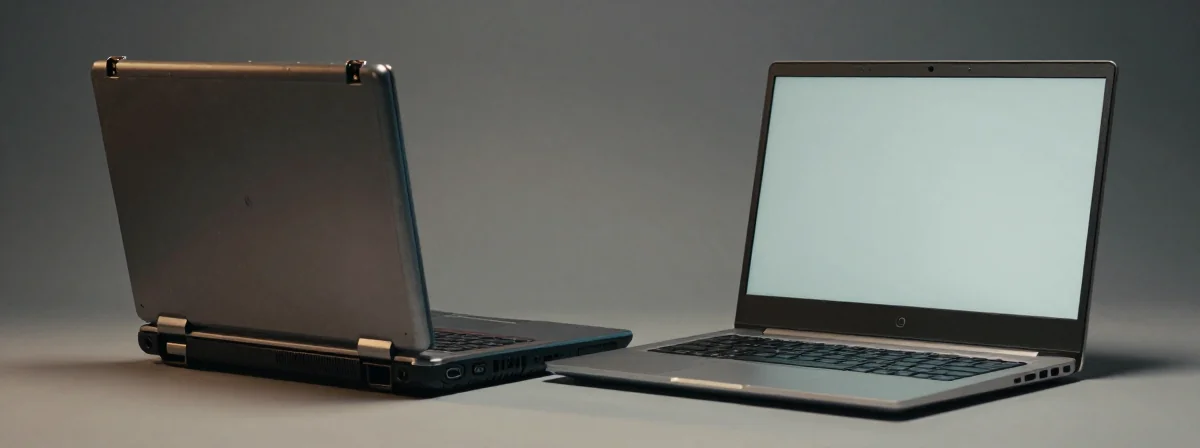
There is a distinct, satisfying heft to picking up a machine from a previous era that modern ultrabooks simply cannot replicate. We have traded structural integrity for thinness, often ending up with devices that feel like they might shatter if you look at them wrong. But there is a specific class of vintage hardware that refuses to die, built with a philosophy that prioritized survival over aesthetics. These aren’t just old computers; they are the tanks of the portable world.
You might be tempted to stick with what you know, perhaps holding onto a reliable workhorse running Windows 10 long after the support cycle has shifted. That is a valid choice. Using what you want, despite the pressure to upgrade to the shiniest new model, is a rebellion against planned obsolescence. When you find a device that truly works for you, letting others dictate your upgrade cycle is a mistake.
Consider the classic HP EliteBook series, specifically the rugged convertibles like the 2760p. On paper, these machines look like relics of a bygone era. In practice, they offer a level of tactile engagement and durability that is shockingly rare today. It is a surprisingly capable machine, provided you understand its strengths and limitations.
Is It Really Built Like a Tank?
The reputation isn’t hyperbole. The chassis construction of these business-grade machines is fundamentally different from the consumer plastic of the same vintage. There is a solidity to the magnesium alloy frame that inspires confidence, a feeling that you could throw this into a bag without a protective sleeve and not worry about the consequences.
Some enthusiasts joke that you could use these laptops as a hammer or a blunt weapon, and they would likely outlast most fragile modern gear before breaking. While we don’t recommend testing that theory in the field, the sentiment speaks to the over-engineering that defined this era of design. It is half-jokingly suggested that the base could even serve as a makeshift cutting board in a pinch—a testament to how rigid the underlying structure truly is.
Why Modern Laptops Lack This Secret Weapon
One of the most brilliant, yet forgotten, features of these rugged classics is the keyboard design. It wasn’t just about the key travel or the tactile feedback; it was about real-world usage scenarios. The keyboard is fully spill-resistant, incorporating ingenious drainage channels built directly into the chassis.
If you accidentally knock a coffee onto the deck, the liquid doesn’t pool on the motherboard and fry the circuits. It flows through dedicated channels and out the bottom of the case. This is the kind of design-conscious engineering that prioritizes the user experience. It acknowledges that accidents happen and builds a solution into the product itself, rather than selling you an accidental damage protection plan.
The Joy of Tool-less Access
Modern laptops have increasingly sealed their shutters, gluing batteries down and soldering RAM to the motherboard. The older approach was vastly superior for the tinkerer. The bottom panel on these machines pops off with a satisfying click, requiring zero tools to access the internals.
Look for the red lever located below the battery bay. Usually, there are two levers: one pops the battery latch, and the other releases the entire bottom cover. It is a masterpiece of user-friendly design. In seconds, you have total access to the upgradeable components, transforming a service task into a moment of discovery rather than a frustrating ordeal with tiny screwdrivers.
How to Breathe New Life Into Old Hardware
Once you have that bottom panel off, the real fun begins. These machines may feel old, but with the right upgrades, they wake up significantly. The architecture is surprisingly accommodating. You are looking for a 2x8GB DDR3 Laptop kit to max out the memory. Brands like Timetec offer reliable, affordable options that bring these old beasts up to modern multitasking standards.
For storage, forget about NVMe or M.2 drives; you need a reliable 2.5-inch SATA SSD. A 240GB or 512GB drive will eliminate the bottlenecks of the old spinning hard drives. If you need more space for media, consider a DVD to HDD adapter for about $12. This lets you convert that optical bay—which you probably never use—into a slot for a massive 1TB HDD. It is a functional, aesthetic solution that turns a legacy port into a modern storage vault.
The Hidden Helper Above the Screen
It is often the small details that make a design truly great. Buried in the specs of these older models is a feature that is incredibly useful yet missing from many high-end laptops today: a popout light beside the webcam. In low-light environments, backlit keyboards often wash out the screen or fail to illuminate the keys evenly.
This little LED acts as a dedicated reading lamp for your keyboard. It is a simple, elegant solution to a specific problem. It shows that the designers were actually thinking about the person using the computer in a dark room, perhaps on a red-eye flight or in a dim office. It is these thoughtful touches that make using older hardware such a pleasure.
Rethinking What “Basic” Means
Critics will argue that these machines are only good for basic web browsing and not much more. There is some truth to that; you aren’t rendering 4K video or playing the latest AAA titles on a vintage EliteBook. But dismissing a tool because it isn’t the absolute fastest is missing the point of good design.
It is a laptop. It laptops. It handles the essentials with a stability and build quality that newer, faster machines often lack. Sometimes, the ultimate luxury isn’t raw speed, but the peace of mind that comes from using a tool that feels indestructible. Whether you are managing a business or just browsing the web, doing so on a machine that feels like a precision instrument changes the entire experience.
The Case for Keeping the Classics
We often get caught in the cycle of upgrade, replace, repeat. We forget that technology should be beautiful and functional, not just disposable. Finding a device that fits your hand and your workflow is rare. When you find it, whether it is a brand new release or a decade-old tank, you hold onto it.
Great design is timeless. The tactile feedback of the keys, the security of the drainage channels, and the ease of the tool-less upgrade path represent a high-water mark in laptop engineering. Before you trade your soul for a few extra gigahertz of processing power, ask yourself if the new machine can survive a spilled coffee or a drop onto concrete. If the answer is no, maybe the old beast on your desk is exactly where you should be.