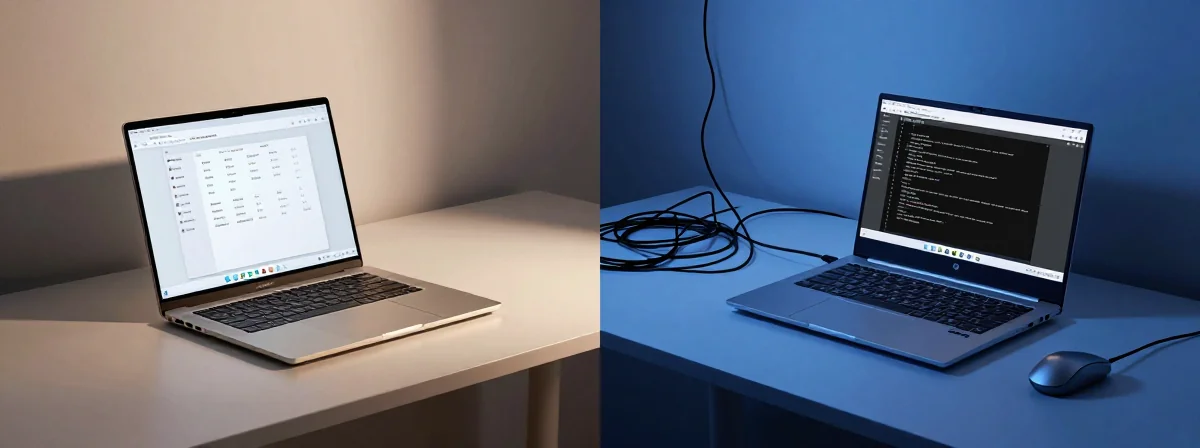
The tech landscape is shifting, and the release of the MacBook Neo has thrown the Windows ecosystem into a panic it hasn’t felt in years. We’re looking at a $600 machine that threatens to upend the “race to the bottom” mentality that has plagued budget Windows laptops for a decade. It’s not just about specs on a spreadsheet anymore; it’s about the total package of hardware, software, and what happens when things go wrong.
Here’s the thing nobody’s talking about: the Windows OEMs have been resting on laurels that don’t exist anymore, assuming users will tolerate mediocrity forever.
Spec Check
THE WINDOWS ESTABLISHMENT If you know where to look, the Windows side still has merit—specifically in the business sector. Machines like the ThinkPad line are built like tanks, offering repairability, upgradeable RAM, and hinges that actually survive daily use. The problem is the consumer market. Below $700, you’re buying disposable plastic filled with bloatware, ads in the start menu, and “diving board” trackpads that feel like relics from 2005. The specs might look higher on paper, but the execution is often a disaster.
THE MACBOOK NEO Apple took a mobile architecture—the A18 Pro—and shoved it into a chassis that destroys the build quality of anything in its price range. You’re getting the full macOS experience, no “S-Mode” or stripped-down nonsense, and a trackpad that remains the industry gold standard. Even with a tiny 36.5 watt-hour battery and 8GB of RAM, the efficiency is staggering. It manages heavy workloads through aggressive memory compression that would choke a Windows machine with double the specs.
THE REAL DIFFERENCE The spec sheet is the least interesting part of this comparison. The real differentiator is what happens the day your device dies. If you buy a consumer Windows laptop from a vendor like ASUS or Dell, you’re entering a support lottery where the house always wins. I’ve seen top-tier laptops come back from repair facilities scratched up by amateurs, or worse, held hostage for ransom fees because a warranty claim was denied. Apple, by contrast, offers a safety net. You walk into a store, they handle it, and you walk out with a replacement. That peace of mind is worth more than a few extra gigabytes of RAM.
THE VERDICT If you’re an IT manager managing a fleet or a tinkerer who loves Linux, stick to business-class Lenovos—they’re the only Windows machines worth your time. But for the average user? The MacBook Neo is the clear winner, especially with that easy-to-get education discount dropping it to $499. The Windows ecosystem has been selling inferior experiences for too long, and Apple just proved they can deliver a premium product at a budget price while actually supporting it when it breaks.
Don’t get caught in the cycle of replacing a $600 Windows laptop every two years because the hinge snapped or the OS slowed to a crawl under the weight of bloatware. Invest in the platform that respects your time and your data. The panic in Redmond and Taipei is justified—they finally got caught sleeping.