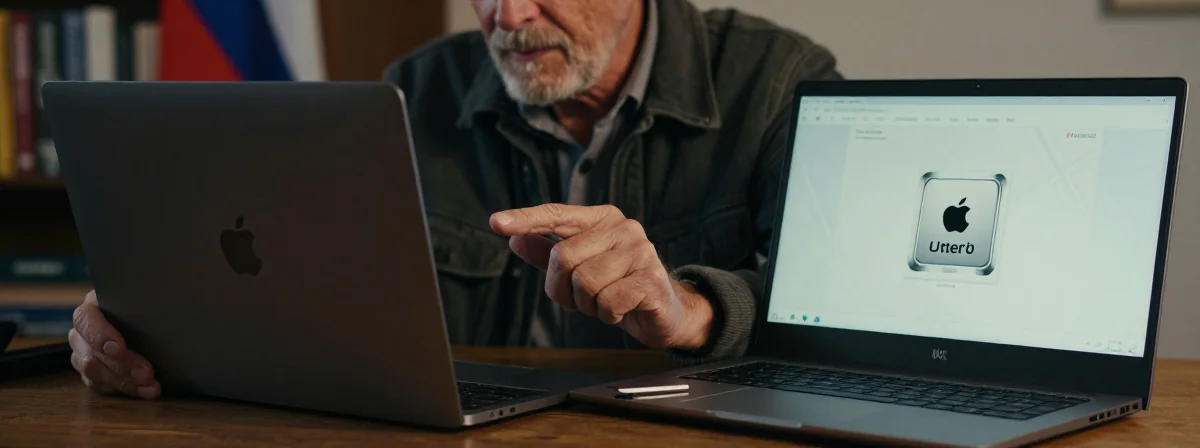
People keep asking me—seriously, every week—whether Apple Silicon has finally made Windows laptops obsolete, or if Intel’s new Ultra chips are closing the gap. I’ve used both for years now, and here’s the thing nobody’s talking about: it’s not about specs anymore. It’s about ecosystems, longevity, and what you actually need to get done.
Here’s the breakdown, without the hype.
Examining the Evidence
SIDE A: Apple Silicon Apple Silicon delivers unparalleled battery life and efficiency—up to 29 hours of video playback on some models, as the research indicates. The integration of E-cores for background tasks and M-cores for performance is brilliant, and the unified memory architecture means apps run smoother than ever. From an academic perspective, Apple’s closed ecosystem ensures consistency: updates arrive simultaneously, security is baked in, and the whole experience just works. This is ideal for creatives and professionals who value reliability over customization. The OLED screens on MacBook Pros are stunning, and features like Face ID signin are nearly instantaneous. Historical precedent suggests Apple’s chips will continue to outpace industry expectations—just look at the leap from M1 to M3.
SIDE B: Intel Ultra Intel’s latest Ultra series chips are genuinely impressive—matching Apple’s efficiency in many workloads and offering more flexibility for Windows users. The 228v model in Lenovo’s Aura Editions, for example, runs cool with minimal fan noise while handling demanding tasks like coding, Docker, and multiple browser tabs. From a practical standpoint, Intel’s ecosystem means broader software compatibility and the ability to run specialized Windows-only tools. The battery life on these newer models is nothing to sneeze at either—some reaching 20+ hours in light use. And let’s not forget the upgradeability: while Apple soldered everything, Intel platforms often allow for RAM and storage upgrades, giving users more control over their investment. The research indicates that Intel’s E-core implementation is catching up to Apple’s, making multitasking nearly as seamless.
THE REAL DIFFERENCE Here’s what most people miss: the gap between Apple and Intel isn’t just about performance numbers. It’s about the total cost of ownership and the learning curve. Apple devices are premium from day one, but they tend to hold their value better and receive software updates for years. Intel Ultra laptops, on the other hand, offer more bang for your buck upfront but may require more tinkering—like periodic Windows reinstalls to maintain performance, as some users noted. The thing nobody talks about is that gaming on either platform is a compromise: Apple’s App Store policies could stifle game developers, while Intel’s dedicated GPUs become obsolete faster than their integrated counterparts. After years of using both, I’ve found that Apple’s ecosystem is more future-proof, but Intel’s flexibility is unmatched for those who can’t—or won’t—leave Windows.
THE VERDICT If you’re doing creative work, rely on macOS-exclusive tools, or prioritize long-term reliability, Apple Silicon is the clear winner. From experience, the integration and software support make it worth the premium. But if you need Windows compatibility, want the option to upgrade components, or play newer games without jumping through hoops, Intel Ultra is the smarter choice. Here’s my take: for most professionals, Apple’s ecosystem still delivers the best overall experience. But for students and power users who need Windows, Intel’s latest chips have finally made the trade-off worthwhile.
The Scholarly Verdict
The decision comes down to one simple question: how much are you willing to adapt your workflow for better performance? Apple Silicon demands you live in its world, but rewards you with a smoother ride. Intel Ultra lets you keep your existing tools but requires more maintenance. Choose based on what you can’t live without—not what a spec sheet promises. The ecosystem you pick today will shape your digital life for years to come.