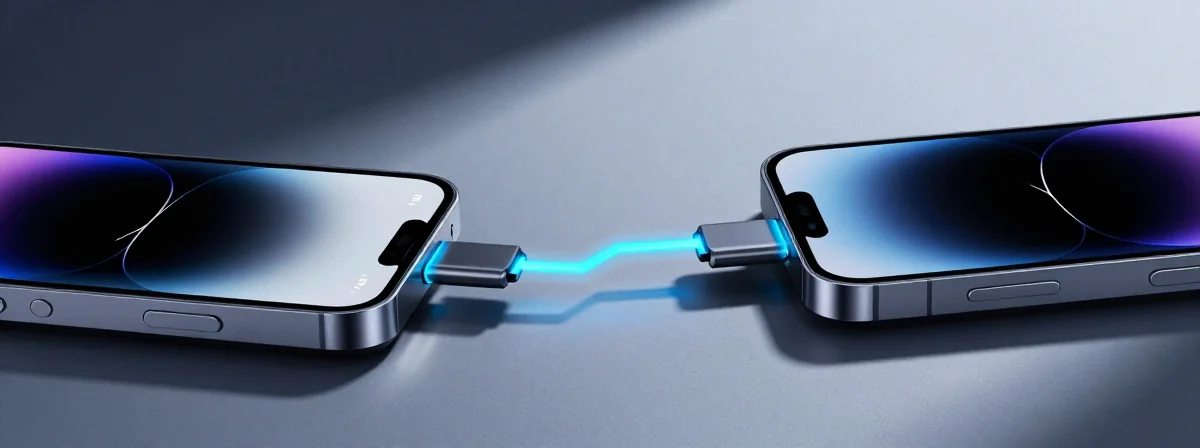
Ever wonder why some people seem to glide through their day with all their devices working together effortlessly while you’re constantly fumbling to transfer files, answer calls, or find your latest messages? It’s not magic, but it feels like it. The difference often comes down to one thing: how well your devices talk to each other. In a world where we juggle multiple screens throughout the day, the experience of having your phone, tablet, computer, and watch working as one cohesive unit can transform your daily tech interactions from frustrating to fluid.
The conversation about phone ecosystems has evolved significantly. What started as simple device-to-device pairing has grown into sophisticated networks where your devices anticipate your needs. This isn’t just about convenience anymore—it’s about reclaiming your time and reducing the digital friction that steals minutes from your day. When you truly experience a well-designed ecosystem, you’ll wonder how you ever lived without it.
The shift from device-specific experiences to interconnected ecosystems represents one of the most significant technological advancements of the last decade. It’s changed how we work, communicate, and even how we think about our digital lives.
Can Your Phone Really Work Without Your Phone?
One of the most revolutionary aspects of modern ecosystems is the ability to use your phone’s functions on other devices. Imagine this: you’re at work with your iPad connected to Wi-Fi, and your phone is safely at home. Suddenly, you get an important call. Instead of rushing to find your phone, you simply answer it on your iPad. Text messages appear on your watch, phone calls ring through to your computer, and notifications follow you wherever you have an internet connection.
This isn’t science fiction—it’s the reality for millions who’ve embraced seamless ecosystems. The magic happens when your devices share more than just data; they share your presence. Whether you’re on Wi-Fi or cellular, the system knows where you are and how you prefer to interact. This means you could have an entire day without touching your phone, yet never miss a beat in your communications or tasks.
The beauty of this approach is how it adapts to your lifestyle. Need to take a call during a meeting? Your iPad is ready. Want to respond to a text while cooking? Your smart display has you covered. The ecosystem becomes an extension of yourself, not just another tool to manage.
Why Do Some Ecosystems Feel So Much Smoother Than Others?
The difference between a clunky connection and a seamless experience often comes down to design philosophy. Some ecosystems are built with integration as an afterthought, while others make it the core principle. When you switch to a new device in a well-designed ecosystem, everything just works. Sign in, and your settings, preferences, and data transfer automatically. Your old device can be wiped and recycled without you lifting a finger beyond confirming the action.
This isn’t just about convenience—it’s about trust. When your ecosystem works reliably, you trust it with more of your digital life. That’s why people who’ve experienced true integration often find it hard to go back. It’s not just about having the same app on multiple devices; it’s about having a consistent experience that flows naturally between them.
Consider the difference in setting up a new device. With some systems, it’s a multi-step process requiring manual transfers and configuration. With others, it’s as simple as signing in, and everything just works. This difference in approach creates vastly different user experiences that stick with you long after the initial setup.
Is the Keyboard Really the Most Important Part of Your Phone?
We spend more time interacting with our phone’s keyboard than any other feature, yet it’s often overlooked in discussions about ecosystems. A poor keyboard can make even the best ecosystem frustrating to use. The debate about keyboard quality reveals something interesting about how we interact with technology—sometimes the smallest details have the biggest impact on our daily satisfaction.
For years, keyboard developers have struggled to balance prediction, correction, and customization. Some users prefer to turn off autocorrect entirely, trusting their own typing skills more than algorithmic suggestions. Others find that third-party keyboards like SwiftKey or Grammarly offer experiences that stock keyboards simply can’t match. The number row debate alone shows how passionate people feel about their typing experience.
What’s fascinating is how keyboard preferences often become deeply personal. Many users develop a relationship with their keyboard over time, as it learns their patterns and preferences. This personalization aspect is what makes keyboards so much more than just input tools—they become extensions of our communication style.
Can You Really Get All the Features You Want Without Compromising?
The conversation about ecosystems often brings up trade-offs. Want seamless integration? You might have to sacrifice customization. Need the latest features? You might have to deal with bloatware. The reality is that no ecosystem is perfect for everyone, but understanding what you value most can help you find the right balance.
Take sideloading, for example—a practice some users employ to get features not officially supported in their ecosystem. While it offers flexibility, it often comes with security risks and usability compromises. The decision to sideload or stick to the official ecosystem reveals what you prioritize in your tech experience.
Similarly, the debate about universal back buttons or animation speeds highlights how personal preferences shape our ecosystem choices. What one person considers essential, another might barely notice. This diversity of needs is why the tech world continues to offer multiple approaches to ecosystem design.
How Do Software Updates Impact Your Daily Experience?
One often-overlooked aspect of ecosystems is how software updates are delivered. In some systems, all devices receive updates simultaneously, creating a consistent experience across your devices. In others, updates might come at different times or require manual intervention. This difference might seem minor, but it affects how you interact with your technology day to day.
The synchronization of updates creates a rhythm to your tech experience. When all your devices move forward together, you’re always working with a consistent set of features and security levels. This uniformity reduces the cognitive load of managing multiple devices at different software versions.
Consider how this affects your workflow. When a new feature is released, you can experience it across all your devices at once, rather than waiting for it to propagate through your ecosystem. This simultaneous evolution creates a more cohesive digital environment that adapts to your needs in unison.
What Makes People Stick With One Ecosystem for Years?
The most compelling reason to commit to an ecosystem isn’t any single feature—it’s the cumulative effect of all the small interactions that make your life easier day after day. When you experience a system where everything just works, you develop a level of trust that’s hard to break. This isn’t about brand loyalty; it’s about functional reliability.
People who have switched ecosystems often cite the same reasons for their return: reliability, simplicity, and the “it just works” factor. While they might have been initially attracted to customization or specific features, they ultimately value the smooth experience that comes from a well-integrated system.
This realization often comes after trying to piece together an experience from multiple sources. As one user noted, they “had to give up, mainly because of terrible cameras, weak vibration, bloated UI with basics not working as they should.” The cumulative effect of small frustrations can eventually outweigh the benefits of customization.
Can You Really Have It All in Your Tech Experience?
The quest for the perfect ecosystem often leaves us wondering if we can truly have it all—seamless integration, customization options, and cutting-edge features. The reality is that most of us settle for a balance that aligns with our priorities. What matters most is understanding what those priorities are.
For some, the ability to customize every aspect of their experience outweighs the benefits of integration. For others, the smoothness and reliability of a closed ecosystem justify giving up some control. Neither choice is inherently right or wrong—they simply reflect different approaches to how we want technology to serve our lives.
The most satisfying tech experiences come when we align our ecosystem choices with our actual needs rather than our idealized vision of what technology should be. When your devices work together to reduce friction in your day, you gain something more valuable than any single feature—you gain time and mental energy for what truly matters.