People keep asking me why they should even care about sideloading on Android when they can just get an iPhone. They don’t get it. Here’s the thing nobody’s talking about—the real difference between these ecosystems isn’t just about apps; it’s about control, and Google’s slowly tightening the noose on Android’s last vestiges of freedom.
Reality Check
SIDE A: THE ANDROID WAY (OR WHAT’S LEFT OF IT) Android’s sideloading has always been its wild west—install whatever you want, wherever you want, because your phone is your damn device. Whether you’re installing a banking app from another country, an emulator for school, or just apps your region blocks, Android lets you do it. It’s the reason power users and anyone who’s ever lived between two countries stays with Android. The flexibility is real—even if Google’s making it harder by the year. But here’s the catch: that freedom comes with responsibility. You have to know what you’re doing—otherwise, yeah, you might end up with malware. It’s not for the faint of heart, but it’s yours.
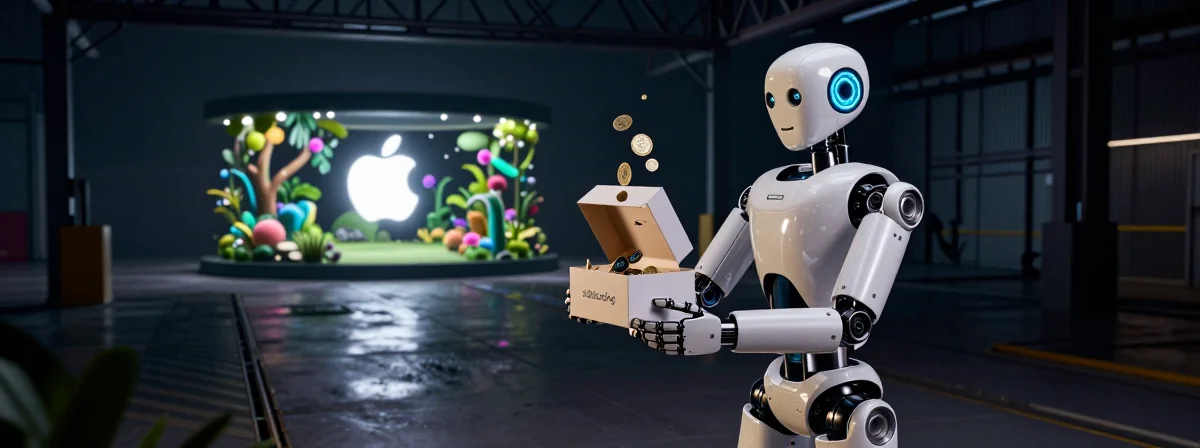
SIDE B: THE APPLE WAY (THE GATED COMMUNITY) Apple’s ecosystem is the iGarden—pretty, safe, and completely controlled. You get apps from the App Store, and that’s it. No sideloading, no installing random APKs, no region hopping unless Apple says so. It’s simple, it’s secure (in Apple’s eyes), and it works for most people who just want a phone that “just works.” You don’t have to worry about malware because Apple’s already vetted everything for you. But you also don’t get to decide what runs on your device. It’s like renting vs. owning—a trade-off most people are happy to make.
THE REAL DIFFERENCE Here’s what most people miss: Google’s not just making sideloading harder; they’re slowly turning Android into a “walled garden with a slightly larger gate” — and nobody’s noticing until the gate’s locked. Remember when you could unlock bootloaders? Now you can’t even sideload without jumping through hoops. It starts with “we’ll make it annoying,” then it’s “we’ll make it require a key,” then it’s “we’ll just disable it.” Same with sideloading. They’ll introduce this “advanced flow” that sounds great—until it’s crippled with limits or requires jumping through so many hoops that only the most dedicated will bother. Apple’s restrictions are upfront; Google’s are insidious. They’re chipping away at what made Android appealing in the first place, one “security update” at a time.
THE VERDICT If you’re the type who needs to install apps from anywhere, manage multiple regions, or just wants the freedom to control your own device, stick with Android—just accept that you’ll be fighting Google’s attempts to lock you down. If you just want a phone that works without thinking, Apple’s the clear winner. From experience, I’ve seen what happens when Android loses its openness: it becomes just another closed ecosystem, and the people who made it great will have already left. So if you’re doing X (needing flexibility), go with Android. If you’re doing Y (needing simplicity), B’s the clear winner.
Food for Thought
Think about what you actually need from your phone. Do you want a device that adapts to you, or one that you adapt to? Because the lines are blurring, and soon there might not be a choice. The fight for open ecosystems isn’t just about tech—it’s about keeping some power over your own life in a world that wants to control everything. Make your decision now, because the options are getting slimmer.