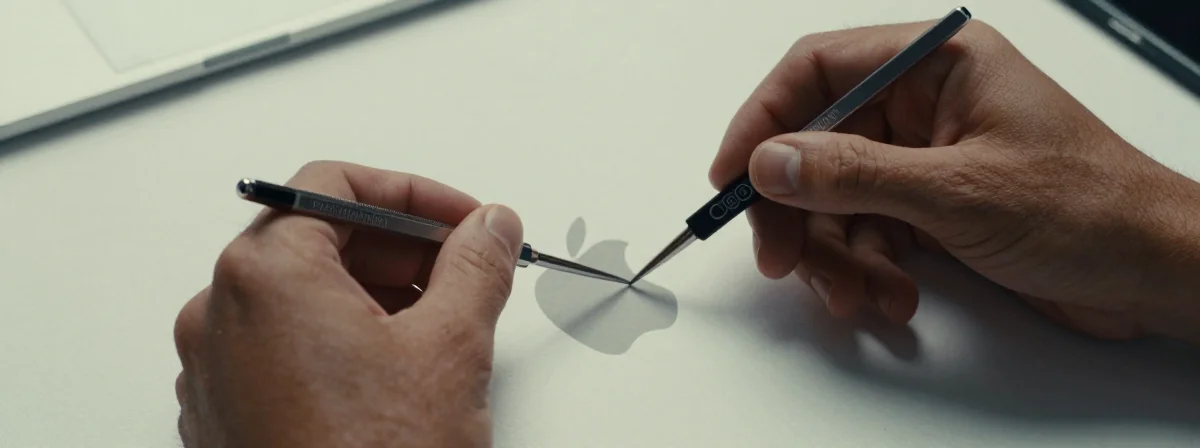
Design has become the primary differentiator in consumer electronics, and no company has mastered this art quite like Apple. While most tech companies chase specifications and features, Apple has built an empire on something far more subtle: the emotional connection created through design. But the clean lines, minimalist interfaces, and premium materials only tell part of the story. There’s a deeper design philosophy at work that few truly understand.
The truth is, Apple’s design excellence isn’t accidental. It’s the result of deliberate choices, ruthless prioritization, and a philosophy that extends far beyond what meets the eye. What you’re paying for isn’t just a well-designed product—it’s the result of a meticulous process that most competitors only imitate superficially.
Apple’s design teams spend years developing products that appear simple, when in reality, they’re the product of extreme complexity. This paradox is what makes their approach so fascinating and so effective.
Why Minimalism Isn’t Just About Looks
When you examine Apple products, what initially appears as simple aesthetic choices are actually deeply strategic design decisions. The minimalist approach isn’t about removing elements for visual appeal—it’s about eliminating anything that doesn’t serve a purpose. This philosophy, often called “less but better,” extends beyond just the physical form to every aspect of the user experience.
Take the iPhone’s home screen, for example. The grid layout, the specific spacing between icons, even the subtle animations when you tap—these aren’t arbitrary choices. They’re the result of extensive research into human psychology and motor skills. The design team has calculated exactly how much space your finger needs to accurately tap an icon, how quickly the system should respond to input, and what visual feedback creates the most satisfying interaction.
What’s often overlooked is that this minimalism requires far more effort than simply adding features. It’s easier to include options than to decide what to exclude. Apple’s design teams spend months debating which features to cut, which interactions to simplify, and which elements truly enhance the user experience versus those that merely complicate it.
The Hidden Complexity Behind “Simple” Products
The irony of Apple’s design approach is that what appears simple on the surface is often the result of incredibly complex engineering challenges solved behind the scenes. That seamless aluminum unibody on a MacBook isn’t just for aesthetics—it represents a manufacturing process so difficult that few companies even attempt it.
Consider the Apple Watch. The smooth scrolling and instant response feel natural and effortless, but achieving this requires sophisticated power management, optimized software, and hardware components that work in perfect harmony. The “simple” experience is actually the product of thousands of engineers solving countless technical problems.
This hidden complexity is what creates the premium feel. When a product works exactly as expected, without glitches or compromises, it creates a sense of reliability and trust. Users don’t notice the technical challenges overcome—they only experience the smooth, intuitive result. This is why Apple products often feel “magical”—they’re hiding the immense effort behind a flawless user experience.
The True Cost of Design Excellence
While Apple products command premium prices, the actual cost of achieving their design standards is often underestimated. The materials research, prototyping processes, manufacturing innovations, and quality control measures that go into each product represent significant investments that aren’t fully reflected in the final price tag.
Take the glass used in iPhone screens, for example. Apple developed custom formulations with Corning that are stronger and more durable than standard smartphone glass. This wasn’t an afterthought—it was a years-long research project that required collaboration with material scientists and manufacturers. The result is a product that feels premium and durable, but the development cost is substantial.
What many consumers don’t realize is that Apple’s design philosophy extends to the entire ecosystem. Products aren’t designed in isolation—they’re part of a connected system where each device works seamlessly with the others. This integration requires years of planning and coordination across different product teams, something few competitors manage to execute effectively.
Why Apple’s Design Process Differs From Competitors
Most tech companies approach design as an afterthought or a marketing tool. They start with technical specifications and then try to make the product look appealing. Apple operates in reverse—they begin with the user experience and work backward to the technology.
This fundamental difference is why Apple products often appear to have fewer features on paper but deliver a more satisfying experience in practice. Competitors focus on checking boxes (camera megapixels, processor speed, battery capacity), while Apple focuses on creating an integrated experience that feels cohesive and intuitive.
The design process at Apple is also notably slow and deliberate. Products that appear to emerge fully formed have typically been in development for years. The company famously kills projects that don’t meet its standards, regardless of how far along they are. This willingness to start over or abandon projects that don’t meet the design vision is rare in the tech industry, where market pressures often force companies to ship imperfect products.
The Emotional Connection That Keeps Customers Coming Back
Beyond the physical and technical aspects of design, Apple has mastered the emotional component. Products are designed not just to be used, but to be desired. The unboxing experience, the first boot sequence, the tactile feedback of buttons—these are all carefully orchestrated moments designed to create positive associations.
This emotional connection is what makes Apple customers so loyal. They’re not just buying a product—they’re buying into a philosophy that values simplicity, elegance, and seamless integration. The design isn’t just about function—it’s about creating products that people feel good about owning and using.
What’s particularly effective is how Apple translates this emotional design into practical benefits. The clean aesthetic reduces cognitive load, making products easier to use. The consistent design language across products creates familiarity and reduces the learning curve. These subtle effects accumulate over time, creating products that feel intuitive and reliable.
What This Means For Your Next Tech Purchase
Understanding Apple’s design philosophy changes how you evaluate technology products. Rather than focusing solely on specifications or price, consider the thoughtfulness of the design. Does the product feel cohesive? Are the interactions intuitive? Does it solve problems in elegant ways rather than just adding features?
This perspective shift can help you make more informed purchasing decisions, whether you choose Apple products or not. The principles of thoughtful design—prioritizing user experience, eliminating unnecessary complexity, and creating emotional connections—are valuable regardless of brand.
The next time you evaluate a tech product, look beyond the marketing claims. Consider the design process that went into it, the trade-offs that were made, and the experience it delivers. This deeper understanding will help you find products that truly enhance your life, not just accumulate features you’ll never use.
Design excellence isn’t just about making things look good—it’s about solving problems in the most elegant way possible. And while Apple has become the poster child for this approach, the principles apply to any product that aims to create meaningful experiences for users.