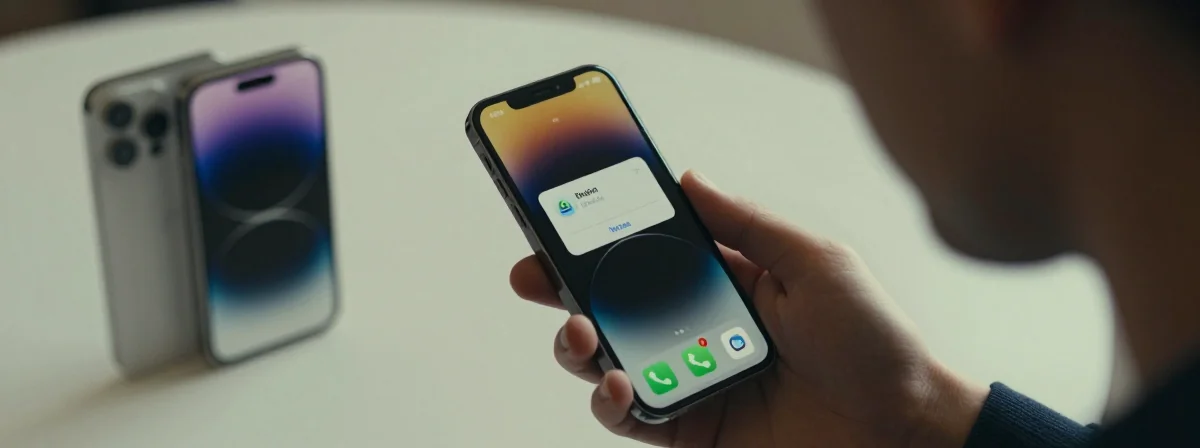
Ever feel pressured to upgrade your iPhone every year, only to wonder if the new model is actually better—or just shinier? The truth is, most upgrades these days offer incremental improvements that only tech enthusiasts notice. Your iPhone 13 Pro still works flawlessly, and unless you’re actively missing specific features, the latest model might not be worth the retail price. Let’s cut through the hype and look at what really matters.
The jump from one iPhone generation to the next is rarely revolutionary. Yes, there are always new specs—USB-C replacing Lightning, improved cameras, maybe a few extra hours of battery life. But for the average user, these changes often don’t justify trading in a perfectly good device. Especially when your current phone still runs the latest iOS smoothly.
Take the example of moving from an iPhone 13 Pro to a newer model. Unless you’re desperate for USB-C or the latest camera tricks, the experience will feel nearly identical. Even the fluidity of the UI, thanks to ProMotion (120Hz), remains top-notch. So why the rush?
Is the New iPhone Camera Actually Worth Upgrading For?
Marketing loves to highlight camera upgrades, but let’s be real: unless you’re a professional photographer, the differences are subtle. The newer models might boast a rotating sensor for selfies, Apple Log 2 video recording, more megapixels, or better zoom. But if you’re like most people, you’ll barely notice these changes in your everyday photos.
Dual capture and “action mode” sound cool, but how often will you actually use them? For the average user, the camera on an iPhone 13 Pro is already excellent. Unless you’re shooting for Instagram every day or need cinematic video features, the upgrade isn’t a game-changer.
Why Battery Life Isn’t the Hero It’s Cracked Up To Be
A few extra hours of screen-on-time (SOT) sound tempting, but in practice, it rarely makes a difference. Many users report that battery life on newer models doesn’t match the hype. Take the iPhone 16 Plus, for instance—some users found its haptics weaker than older models, and battery life only marginally better than what they expected.
Unless you’re constantly pushing your phone to its limits, the battery improvements in newer models are often negligible. And let’s not forget that battery degradation is a natural part of any smartphone’s lifecycle. A new phone’s battery will eventually degrade just like your current one.
The Illusion of “Massive Upgrades”
Every year, Apple and tech media hype the latest iPhone as a “massive upgrade.” But for most users, the experience is incremental at best. If you’re coming from an iPhone 13 Pro or later, the differences are even harder to spot. The UI feels just as smooth, the performance is still overpowered for everyday tasks, and iOS ensures that even older models get the latest features.
This isn’t to say there aren’t improvements—USB-C is a practical win, and the Dynamic Island is a neat feature. But unless these are must-haves for you, the upgrade isn’t as compelling as it’s made out to be.
How Long Will Your Current iPhone Really Last?
One argument for upgrading is longevity. The idea that newer models will last longer or receive updates for more years is appealing. But the reality is that iPhones from the 13 Pro era are still getting the latest iOS updates and will likely continue to do so for years. Even the iPhone Xs Max, a much older model, still holds up in some aspects.
Unless you’re someone who needs the absolute latest technology for work or hobbies, your current iPhone will likely serve you well for another couple of years. The 17 series might promise longer lifespans thanks to chip integration with other devices, but that’s still speculative.
The Hidden Cost of Upgrading: What You’re Really Giving Up
When you upgrade, you’re not just spending money on a new phone—you’re also giving up the value of your current device. Trade-ins or carrier deals might make it seem affordable, but you’re still parting with a phone that works perfectly fine.
For many, the real cost is the hassle of setting up a new device, transferring data, and getting used to minor changes. Unless the new features genuinely excite you, this effort might not be worth it.
The Bottom Line: Upgrade Only When It Matters
At the end of the day, the decision to upgrade should be driven by your actual needs, not marketing hype. If you’re happy with your current iPhone and it meets your daily requirements, there’s no rush. The incremental improvements in newer models rarely justify the cost or effort.
But if you’re someone who genuinely craves the latest features—USB-C, advanced camera modes, or the newest chip—then by all means, upgrade. Just know that for most users, the difference between an iPhone 13 Pro and the latest model is hardly noticeable.
The next time you feel pressured to upgrade, ask yourself: what am I really gaining? If the answer isn’t clear, stick with what you have. Your wallet—and your sanity—will thank you.