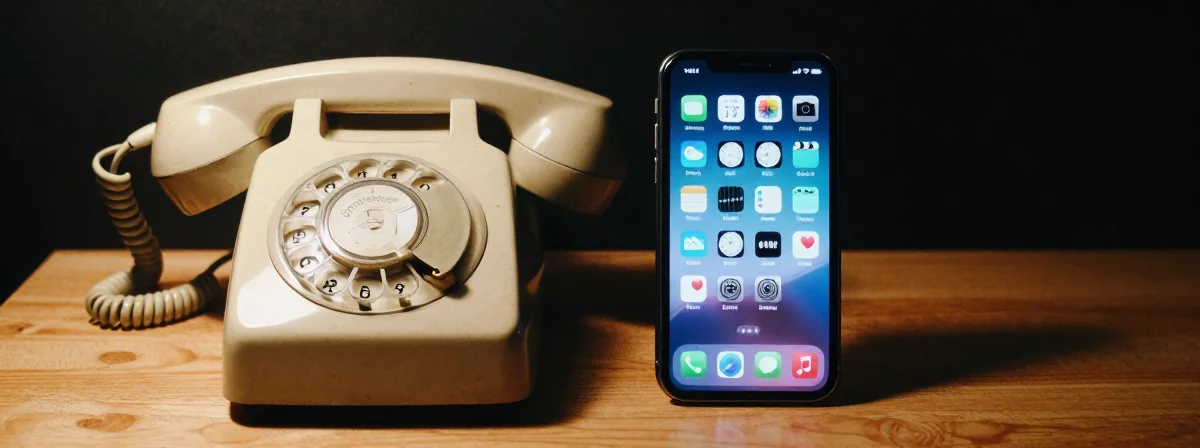
I’ve been using both for years now—keeping older tech running while also working with the latest systems. People keep asking me when it’s worth upgrading, and that’s where the conversation gets interesting. Here’s the thing nobody’s talking about—the real difference between sticking with what you have versus jumping to something new.
SIDE A
Older tech often works perfectly fine for many tasks. It might not have the latest features, but if your current system handles your daily workloads without issues, it’s doing its job. The “it’ll work fine” approach is practical wisdom—not denial. I’ve kept systems running for years that would make tech reviewers scoff, yet they continue to serve their purpose reliably. There’s a certain satisfaction in maximizing the value you’ve already invested.
SIDE B
Newer tech brings real advantages when you need them. Processing power increases, new features emerge, and efficiency often improves. The “it’s not bad” perspective acknowledges that newer systems do have benefits—just maybe not enough to justify the upgrade for everyone. Sometimes the investment in new hardware provides tangible productivity gains that older systems simply can’t match, especially for demanding applications.
THE REAL DIFFERENCE
After years of using both, I’ve learned that the critical factor isn’t age—it’s alignment with your actual needs. Most tech comparisons focus on specs and benchmarks, but the real difference comes down to your specific workflow. Do you need that extra processing power? Is the new feature set actually something you’ll use? The thing nobody talks about is how often we upgrade systems that perfectly meet our needs simply because we’re told they’re “outdated.”
THE VERDICT
From experience, if your current system handles your essential tasks without hiccups, don’t upgrade just because it’s not brand new. If you’re doing demanding work that genuinely benefits from newer capabilities, then the investment makes sense. Here’s my take: evaluate based on what you actually need, not what you’re told you should want. Don’t dismiss older tech simply because it’s not cutting-edge—sometimes “good enough” is exactly what you need to win.
The decision should always come down to tangible benefits for your specific situation—not marketing hype about what’s new. Ask yourself what problems you’re actually trying to solve, and you’ll find the right path forward with confidence.