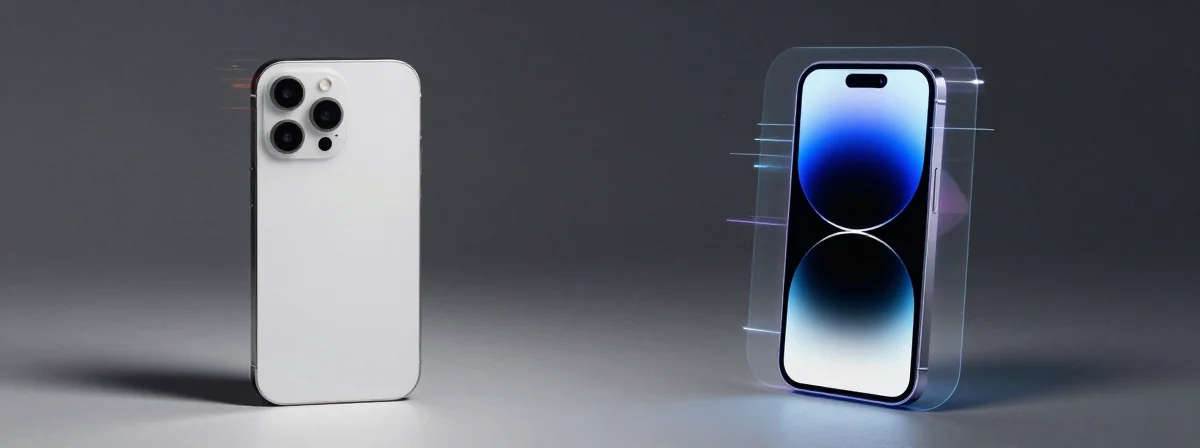
I’ve been watching the evolution of mobile operating systems for over a decade now. The debates always come back to the same core issues—what feels right in the hand, what works seamlessly in daily life, and what truly empowers users instead of frustrating them. Here’s the thing nobody’s talking about—the small, persistent annoyances that reveal the bigger picture of where we’re headed.
Tomorrow’s Tech Today
SIDE A
The current iOS experience excels at creating a cohesive ecosystem. It integrates hardware and software in ways that make premium devices feel truly premium. The visual polish is undeniable—everything from animations to app layouts feels meticulously crafted. For users who value consistency above all else, this approach delivers an experience that “just works” most of the time. The ability to clear app cache without deleting and reinstalling apps is a small but significant win—showing incremental improvements that make everyday tasks smoother.
SIDE B
The vision for what mobile operating systems could be is emerging in innovative approaches that prioritize user agency. These systems embrace customization at every level—from system-wide back gestures to allowing Google Maps as the default mapping app. They recognize that users shouldn’t have to uninstall core apps to work around limitations. The keyboard debate reveals a deeper truth: when fundamental tools like text input fail, the entire experience suffers. Third-party keyboard options and more intuitive swipe gestures represent the future where users dictate their preferred tools.
THE REAL DIFFERENCE
Here’s what most people miss—the persistent annoyances in current systems aren’t just bugs, they’re symptoms of deeper design philosophies. The inability to permanently disconnect Bluetooth/WiFi without waiting until 5am the next day reveals a system that prioritizes automatic behavior over user control. Similarly, the charging sound that can’t be muted without silencing the entire device shows a failure to implement granular controls. After years of using both approaches, I’ve learned that the truly innovative systems are those that anticipate user needs before they even realize they have them—like allowing calls to ring while everything else is on silent, or providing battery-saving options without sacrificing functionality.
THE VERDICT
From experience, if you’re prioritizing immediate usability and ecosystem integration, the current iOS approach has its merits. But if you’re looking to the future—where technology serves human needs more thoughtfully—the emerging approaches that give users more control over their experience are the clear winners. If you’re doing daily tasks that require precision and efficiency, consider systems that let you customize every aspect. If you’re primarily consuming content within Apple’s ecosystem, you might not notice the limitations as much. Here’s my take: the next generation of mobile tech will be defined by these very debates—and the systems that evolve to address these frustrations will lead the way.
Onward and Upward
The future of technology isn’t just about what new features we can add—it’s about how gracefully we can remove friction from our digital lives. The small annoyances we tolerate today will become the case studies of innovation tomorrow. As we continue pushing the boundaries of what mobile devices can do, let’s remember that the most revolutionary technology is often the one that makes itself invisible by solving problems before we even know we have them. The journey toward a truly user-centric future starts with addressing these very frustrations—today.