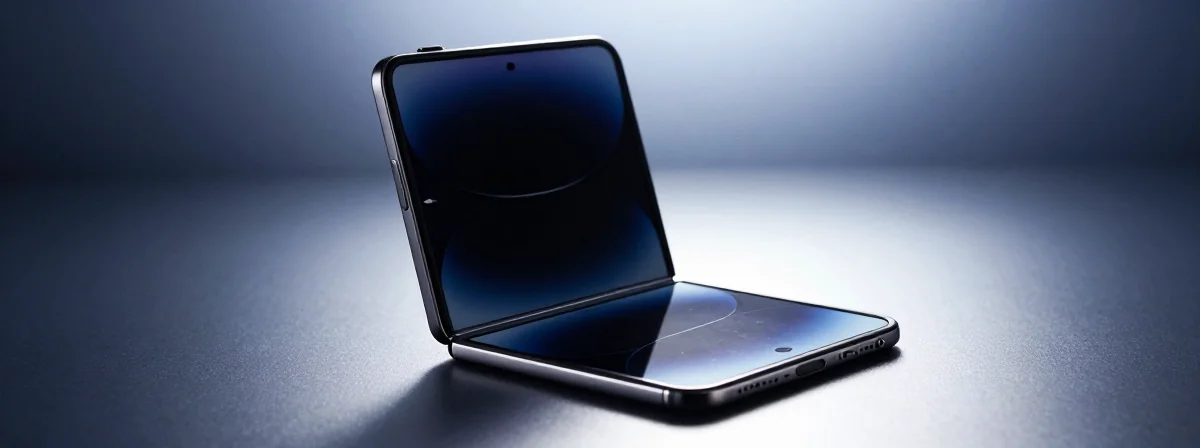
Ever since rumors of Apple’s foldable iPhone surfaced, tech enthusiasts have been buzzing about what the device could bring to the table. But beneath the excitement lies a potential game-changer—or dealbreaker—that could redefine how we interact with smartphones: authentication. Reports indicate that Apple might struggle to fit Face ID into its foldable design, forcing a pivot to Touch ID. This isn’t just a minor tweak; it could alter the entire user experience for a device that’s already expected to carry a premium price tag.
The foldable iPhone’s design presents unique challenges. When the device is unfolded, users might need to authenticate apps, make payments, or unlock the screen without fumbling. The outer screen, when folded, would require its own sensor, while the inner screen would need another. Multiple sources suggest that Apple is unlikely to double the hardware due to cost and engineering constraints. What we know so far is that this could lead to a compromise that leaves some users disappointed.
Apple has always prioritized seamless integration, and Face ID has become a hallmark of its premium devices. But the foldable iPhone’s thin profile might not accommodate the necessary components. The camera module alone is reportedly too thick to fit discreetly, let alone the infrared sensors and dot projectors required for Face ID. This technical hurdle could force Apple to reconsider its approach, potentially moving to Touch ID embedded in the power button—similar to some iPad models and Android devices.
Why Face ID on a Foldable iPhone Seems Impractical
The biggest obstacle is the physical space. When the phone is folded, the inner screen’s crease creates a natural barrier for sensors. Reports indicate that placing Face ID on the outer screen would require a separate unit for the inner display, doubling the complexity. Even if Apple managed to fit one unit, users would still face awkward scenarios: holding the phone at face level to unlock it, even when it’s meant to sit flat on a desk. This defeats one of the foldable’s key advantages—hands-free use.
Some argue that dual Face ID units could be the solution, but this would dramatically increase production costs. Apple has historically avoided feature bloat in favor of sleek, minimalist designs. The foldable iPhone is expected to launch at or above $2,000, and adding redundant hardware could make it even more expensive. What we know so far is that Apple is likely weighing cost against functionality, and the scales might tip in favor of Touch ID.
Touch ID: A Practical Alternative or a Step Back?
For years, Touch ID was the gold standard for smartphone authentication. Its return on the foldable iPhone could be seen as a nod to nostalgia—or a necessary concession. Multiple sources suggest that Apple might integrate Touch ID into the power button, much like the iPad models that still use it. This would allow for quick, one-handed unlocking, even when the phone is folded or unfolded. But would users accept this trade-off?
Many have grown accustomed to Face ID’s convenience. It works seamlessly when the phone is in hand, and it’s often so fast that users forget their device is even locked. Touch ID, on the other hand, requires deliberate action—placing a finger on the button. In scenarios like cooking or cleaning, where hands are busy, this could be cumbersome. Reports indicate that some early adopters of foldable phones with side-mounted fingerprint scanners have expressed frustration with the need to actively unlock their devices.
The Desk-Use Dilemma: Why Face ID Wins for Some
One of the foldable iPhone’s most touted benefits is its ability to function like a small tablet when unfolded and placed on a desk. Face ID excels in this scenario—users can glance at the screen to unlock it without picking it up. Touch ID, however, would require physically interacting with the device. This minor inconvenience could be a major drawback for professionals who rely on hands-free operation. What we know so far is that Apple’s design choices will heavily influence how the foldable iPhone is received in the workplace.
Some argue that this is a niche concern. After all, not everyone uses their phone on a desk. But Apple has always catered to power users, and the foldable iPhone is expected to target a premium demographic. For this audience, the seamless experience of Face ID could be non-negotiable. If Apple prioritizes Touch ID, it risks alienating users who expect cutting-edge technology.
Dual Authentication: A Possible Middle Ground?
Could Apple implement both Face ID and Touch ID? The idea of dual authentication has been floated in tech circles. In theory, this would allow users to choose their preferred method, adding flexibility. Reports indicate that such a system could even include a dual-authentication mode, where both biometrics must match for sensitive actions. This would address concerns about security while catering to convenience.
However, the engineering challenges remain. Adding two authentication systems would further complicate the foldable iPhone’s design and increase its cost. Apple might see this as overkill, especially if Touch ID alone can meet most users’ needs. What we know so far is that Apple is likely exploring all options, but the final decision will balance innovation with practicality.
What This Means for Apple’s Future
The foldable iPhone’s authentication dilemma offers a glimpse into Apple’s broader approach to innovation. The company has always been willing to adapt—after all, it transitioned from Touch ID to Face ID with the iPhone X. If the foldable iPhone does launch with Touch ID, it could signal a return to a more tactile experience, one that some users have missed. But if Face ID finds a way into the design, it would reaffirm Apple’s commitment to futuristic technology.
Either way, the foldable iPhone is poised to test Apple’s ability to solve complex engineering problems without compromising on user experience. What we know so far is that the industry—and Apple’s fanbase—will be watching closely. The device could either set a new standard for foldables or reveal the limits of current technology.
The Unspoken Truth About Foldable Authentication
Beyond the technical debates, there’s an unspoken truth about foldable devices: they’re still experimental. Apple’s entry into the market could accelerate innovation, but it could also expose the gaps in current solutions. The authentication challenge is just one piece of a larger puzzle that includes screen durability, app optimization, and battery life. What we know so far is that Apple’s decisions here will influence the entire industry.
For now, rumors and speculation will continue to swirl. But one thing is clear: the foldable iPhone’s success won’t hinge on just one feature. It will depend on how well Apple addresses the practical concerns that come with a revolutionary design. Whether it’s Face ID, Touch ID, or something entirely new, the authentication method will be a key factor in how users embrace—or reject—Apple’s next big leap.