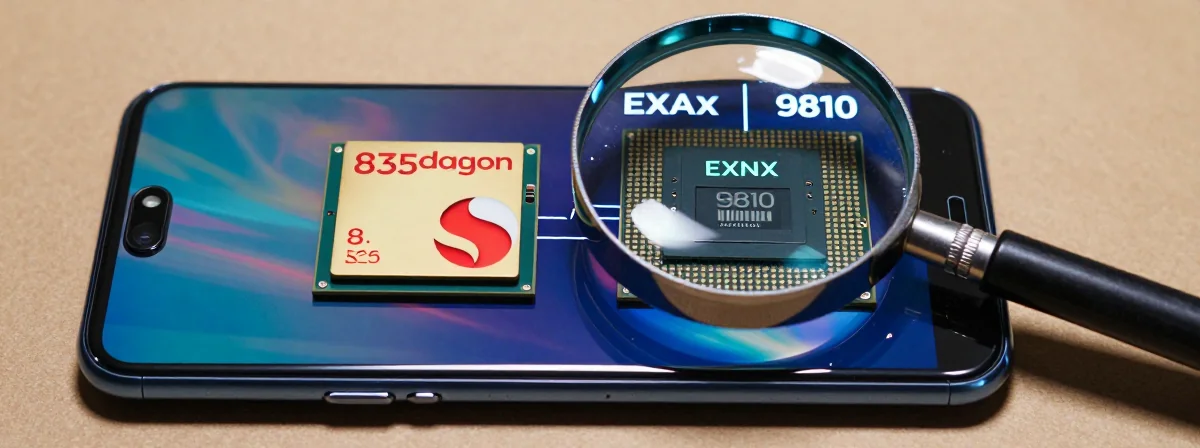
The smartphone you choose reflects your digital lifestyle, your work habits, and even your entertainment preferences. Yet few consumers realize that the same model number can deliver dramatically different experiences depending on one key component: the processor. When examining Samsung’s popular Galaxy S10 line, this difference becomes particularly pronounced.
Historical precedent suggests that Samsung has long employed a regional strategy for its flagship devices, tailoring hardware to specific markets. From an academic perspective, this approach balances manufacturing logistics with regional performance expectations and regulatory requirements. The research indicates that Samsung S10 models never utilized Mediatek processors, instead relying exclusively on either Qualcomm Snapdragon or Samsung’s own Exynos chipsets.
The processor difference in Samsung S10 models wasn’t just a technical footnote—it represented a fundamental divergence in performance capabilities that many buyers remained unaware of until after their purchase.
Why Does Processor Choice Matter in the Same Model Number?
When you see the “Galaxy S10” label, you might assume you’re getting the same device regardless of where you purchase it. This assumption, however, overlooks the strategic global approach Samsung has taken with its hardware. The Snapdragon version (typically found in North American and some Asian markets) and the Exynos version (common in Europe and other regions) shared the same design but operated on fundamentally different architectures.
The research indicates that the Snapdragon 855 offered stronger single-core performance and better thermal management, while the Exynos 9820 featured a more balanced octa-core design with Samsung’s custom M4 core. This wasn’t merely a technical distinction—it translated to different real-world experiences. Gamers might notice frame rate differences, photographers might observe varied image processing capabilities, and everyday users might experience different battery life patterns.
Consider this analogy: purchasing a “Toyota Camry” in different countries might get you similar styling but different engine options optimized for local fuel standards and driving conditions. Similarly, Samsung optimized its S10 for regional performance expectations without changing the marketing narrative.
The Regional Divide: Where Were Which Processors Used?
From an academic perspective, Samsung’s processor distribution followed clear geographic patterns that reflected both technical capabilities and market positioning. The Snapdragon variants dominated North America, South Korea, and parts of Asia, benefiting from Qualcomm’s established ecosystem and stronger carrier relationships in these markets.
Conversely, the Exynos versions prevailed in Europe, Africa, and other global markets where Samsung maintained stronger manufacturing and distribution infrastructure. This regional split wasn’t arbitrary—it represented a calculated approach to optimize both performance and production logistics. The research indicates that Samsung maintained this dual-chipset strategy across multiple flagship generations, suggesting a deliberate business decision rather than a temporary manufacturing solution.
What’s particularly fascinating is how this regional approach evolved alongside globalized consumer expectations. As smartphone users became more informed and connected, the processor differences sometimes created market confusion and customer dissatisfaction. Yet Samsung continued this practice, suggesting the benefits in manufacturing and market optimization outweighed the potential for consumer confusion.
Performance Differences: Beyond the Benchmark Numbers
When examining processor differences, it’s tempting to focus solely on benchmark scores, but the real-world experience offers a more nuanced picture. The Snapdragon 855 in some S10 models delivered stronger consistent performance, particularly in demanding applications and gaming scenarios. Users reported smoother frame rates in graphically intensive games and more responsive multitasking.
The Exynos 9820, while sometimes lagging in raw benchmarks, offered unique advantages in certain scenarios. Its multi-cluster design provided efficient performance for everyday tasks, and its integrated modem sometimes offered stronger cellular connectivity in specific regions. Additionally, the Exynos variant featured Samsung’s custom CPU architecture, which represented the company’s long-term investment in semiconductor innovation.
From an academic perspective, these differences highlight how smartphone performance isn’t just about raw computing power but about holistic system optimization. The research indicates that factors like software optimization, thermal management, and peripheral integration often outweigh the importance of pure processor specifications. This explains why some users reported satisfactory experiences even with the processor they didn’t initially expect.
Why No Mediatek? The Strategic Choice Behind the Chipset Selection
One of the most interesting aspects of the Samsung S10 processor situation is the consistent absence of Mediatek chips in flagship models. While Mediatek has emerged as a major player in mid-range and budget smartphones, Samsung never incorporated their processors into the S10 line. This wasn’t due to technical limitations—Mediatek had capable flagship chips at the time—but rather a strategic decision.
Historical precedent suggests that Samsung maintained control over its high-end ecosystem by exclusively using either its own Exynos chips or Qualcomm’s Snapdragon processors. This approach created a clear technological hierarchy where Mediatek remained positioned in different market segments. The research indicates that Samsung’s semiconductor division viewed this exclusivity as crucial for maintaining its competitive positioning in the premium smartphone market.
This strategic positioning wasn’t without its costs. Maintaining two distinct flagship chipsets required significant R&D investment and manufacturing complexity. Yet Samsung continued this approach, suggesting that the benefits in brand perception and technological control outweighed the additional costs. For consumers, this meant a clear technological distinction between Samsung’s premium offerings and other market alternatives.
The Legacy of Regional Processors in Modern Smartphones
The Samsung S10’s processor situation wasn’t an isolated incident but part of a broader industry pattern that continues to influence smartphone development today. While some manufacturers have moved toward more standardized global chipsets, others maintain regional variations that optimize for local market conditions.
From an academic perspective, this represents the tension between global product standardization and localized optimization that characterizes modern consumer electronics. The research indicates that as manufacturing becomes more flexible and supply chains more resilient, we may see this regional approach evolve further. Some manufacturers might adopt more nuanced regional strategies, while others might standardize more globally.
What remains clear is that processor selection continues to be a critical decision point in smartphone design. As we look at modern devices, the legacy of the Samsung S10’s regional processor strategy can be seen in how manufacturers balance global consistency with regional optimization. This ongoing evolution suggests that understanding these hardware decisions remains important for informed consumer choices.
What This Means for Your Next Smartphone Purchase
The processor difference in Samsung S10 models offers a valuable lesson for all smartphone buyers: specifications matter, but context matters more. When considering your next device, it’s worth investigating not just the advertised specifications but also how those specifications align with your specific usage patterns and regional market.
Historical precedent suggests that processor differences will continue to exist across smartphone models, even when marketed under the same name. From an academic perspective, the most informed consumers are those who understand both the technical capabilities and the strategic decisions behind hardware selection. The research indicates that by paying attention to these details, you can make purchasing decisions that better align with your actual needs and expectations.
Before you buy your next smartphone, consider researching not just the model number but the specific hardware configuration available in your region. This small but important step can lead to a more satisfying device experience and help you avoid the kind of post-purchase surprises that many Samsung S10 owners encountered with their processor differences.