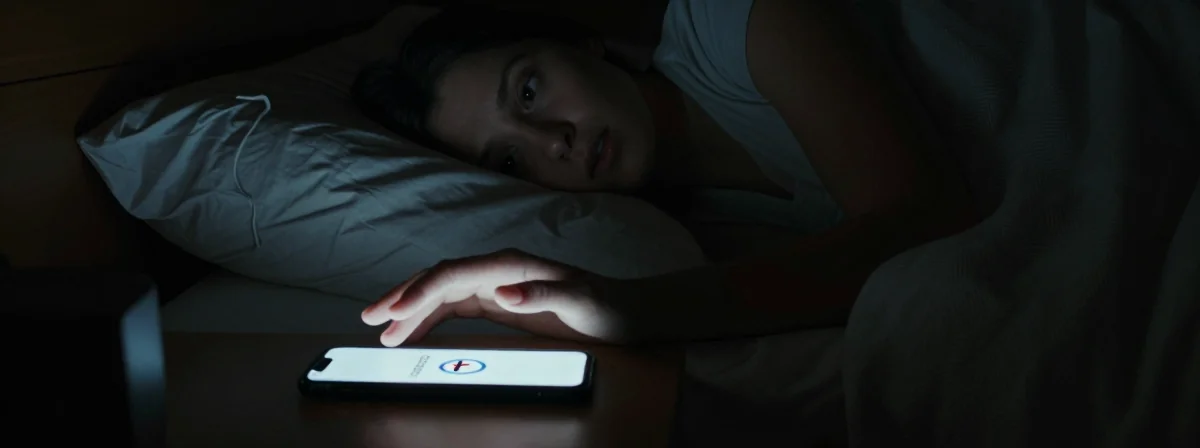
We’ve all been there: scrolling through our phones in the dark, thinking we’re just killing a few minutes before sleep. But what if the very device meant to connect us is quietly destroying our sleep quality? The subtle glow from your smartphone isn’t just light—it’s a biological trigger that can hijack your natural sleep patterns in ways most of us never realize.
That small adjustment to your phone’s brightness setting, particularly the night mode or low brightness option, isn’t just a convenience feature. It’s a critical tool that can either protect your sleep or undermine it, depending on how you use it. The difference between 100% brightness and 85% dimness isn’t just about visibility—it’s about the biological signals you’re sending to your brain and body.
Research shows that the blue light emitted from smartphone screens can suppress melatonin production by up to 22%, delaying the onset of sleepiness and reducing overall sleep quality. But what most people don’t know is that even dim light at night can still have these effects, though to a lesser degree. The positioning of your phone—like keeping it on your nightstand—creates a different exposure pattern than holding it close to your face in bed.
Could Your Phone’s Brightness Be Sabotaging Your Sleep Quality?
The way we interact with our phones before bed has fundamentally changed how we transition to sleep. What was once a natural wind-down period has become a digital battle against our own biology. When you place your phone at the bottom left of your home screen at 85% brightness, as some find helpful, you’re making a conscious choice about your sleep environment—but are you making the right one?
The physics of light exposure matters more than we think. Holding a phone close to your face at any brightness level creates a more intense light exposure than having it across the room. The 85% brightness setting might feel comfortable, but it’s still emitting significant blue light that can penetrate your retinas and suppress melatonin. What seems like a small adjustment in brightness can actually be a major biological intervention when it happens right before sleep.
Consider this: your brain doesn’t just “get used” to light at night. Every photon of blue light that reaches your retinal cells triggers a cascade of hormonal responses that prepare your body for wakefulness, not sleep. This is why even the dim glow from a phone can disrupt your natural sleep architecture, leading to lighter sleep stages and more frequent awakenings throughout the night.
Why We Keep Using Phones When We Know Better
The paradox of modern sleep hygiene is that we know what we should do, but we don’t do it. We understand that screens before bed are problematic, yet we continue the habit. This contradiction stems from a fundamental mismatch between our biological needs and our technological environment. Our circadian systems evolved over millions of years without artificial light, and they’re still operating according to those ancient patterns.
The convenience of having our phones within reach creates a powerful behavioral loop. That bottom left corner of your home screen becomes a conditioned trigger for checking notifications, browsing social media, or just “one more quick look.” What starts as a practical tool for managing bedtime routines can quickly become an unconscious habit that undermines those very routines.
What’s particularly concerning is how we’ve normalized this behavior. Having your phone in the bedroom isn’t seen as problematic anymore—it’s the default. The bedroom, historically a sanctuary for sleep, has become a multi-functional space where work, entertainment, and social connection compete with the primary function of rest. This normalization makes it harder to recognize the subtle ways our technology is reshaping our most fundamental biological processes.
The Hidden Costs of Pre-Sleep Phone Usage
We often focus on the immediate effects of screen time—feeling more alert when we should be winding down—but the long-term consequences are more insidious. Chronic sleep disruption from evening screen use has been linked to a range of health issues, from metabolic changes to mood disorders. The cumulative effect of years of poor sleep hygiene isn’t just feeling tired; it’s a gradual erosion of physical and mental resilience.
The positioning of your phone matters in ways you might not expect. Keeping it on your nightstand means you’re likely exposed to its glow not just when you’re using it, but throughout the night as notifications come in. This intermittent light exposure can fragment your sleep in ways that aren’t immediately obvious but have significant cumulative effects on sleep quality and daytime functioning.
What’s particularly troubling is how we’ve outsourced our bedtime routines to technology. The simple act of dimming your phone and placing it at the bottom left of your screen becomes a ritual that replaces more natural wind-down activities. We’ve traded traditional sleep hygiene practices—reading a physical book, meditating, or simply resting in darkness—for technological solutions that often create new problems while solving old ones.
What a Dimmer Phone Really Accomplishes
When you reduce your phone’s brightness to 85% and position it thoughtfully, you’re engaging in a form of digital self-regulation that many find helpful. This adjustment acknowledges the reality that complete phone abstinence before bed is unrealistic for many people. It represents a middle ground—a compromise between technological dependence and biological necessity.
The strategic positioning of your phone—away from direct line of sight but still accessible—creates a boundary that can help maintain some separation between your digital life and your sleep environment. This physical distancing serves as a psychological cue that sleep is approaching, even if you’re still engaging with your device. It’s a recognition that complete digital detox isn’t always practical, but thoughtful engagement is possible.
What’s interesting is how this practice reflects a broader trend of “tech hygiene” emerging in response to our increasingly digital lives. Just as we developed food hygiene, personal hygiene, and sleep hygiene, we’re now developing practices to manage our relationship with technology. The simple act of adjusting brightness and positioning becomes part of this emerging discipline of digital self-care.
Beyond Brightness: Creating a True Sleep Sanctuary
While adjusting brightness is a helpful step, it’s only one piece of the sleep hygiene puzzle. True sleep quality requires a more comprehensive approach that considers not just what you do before bed, but the entire sleep environment and routine. The bedroom should be treated as a sanctuary for sleep, not an extension of your digital life.
Consider this: even with reduced brightness, the content you consume on your phone matters immensely. Reading a calming book is very different from scrolling through stressful news or engaging in stimulating conversations. The cognitive load of digital content can be just as disruptive to sleep as the light itself, though this aspect is often overlooked in discussions about screen time.
What we’re really talking about is reclaiming control over our sleep environment in an age where technology constantly encroaches on our most basic biological needs. The simple act of dimming your phone and positioning it thoughtfully is a small but meaningful assertion of that control. It acknowledges that technology can be both a problem and a solution, depending on how consciously we engage with it.
The Single Most Important Question About Your Phone Before Bed
If you could only change one thing about your evening phone usage to improve your sleep, what would it be? The answer might surprise you—it’s not necessarily about brightness levels or screen time duration, but about intentionality. How deliberately are you using your phone before bed, and what purpose is that usage serving?
The most effective sleep hygiene practices aren’t about rigid rules but about mindful choices. Placing your phone at the bottom left of your screen at 85% brightness can be a helpful practice, but only if it serves as part of a broader intention to protect your sleep. Without that underlying intention, even the best technical adjustments won’t fully address the deeper issues of digital dependence and sleep disruption.
What if we approached our evening technology use not as a necessity to be managed, but as an activity to be justified? Each notification, each scroll, each quick check would require a moment of conscious decision-making rather than automatic engagement. This shift in perspective might be the most powerful tool we have for reclaiming our sleep in the digital age—not just adjusting brightness settings, but changing our relationship with the devices that increasingly define our lives.