People keep asking me why some laptops feel like they’re from the past while others feel like they’re from the future. I’ve been using both for years now—and the difference isn’t just about specs. Here’s the thing nobody’s talking about…
What’s Coming
SIDE A
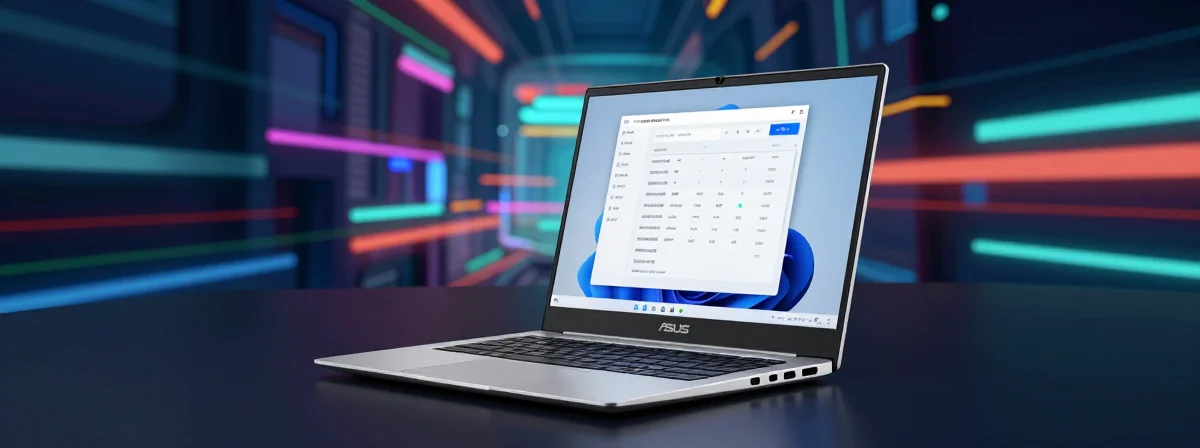
The Asus VivoBook, specifically the S14 OLED model, has some compelling features. It boasts a fast 7500MT/s RAM and a vibrant OLED display that makes multimedia tasks shine. For basic tasks like web browsing and document editing, the Ryzen 3 processor delivers solid performance—especially after a good cleaning and thermal paste replacement. It’s a budget-friendly option that can be revived with maintenance, as one user turned theirs into a happy grandma’s machine after fixing hinges and ports. The thin and light design is appealing for portability, though it comes with compromises.
SIDE B
The future of laptops isn’t just about raw power—it’s about seamless, reliable performance. The issues with the VivoBook’s MediaTek Wi-Fi chip—random disconnections in performance mode and a non-upgradeable, locked-down design—highlight what happens when manufacturers prioritize cost over user experience. The 45W performance mode being louder than advertised and the thermal throttling at 100°C show that cutting corners today means sacrificing tomorrow’s potential. This isn’t just about one laptop; it’s about a pattern in the industry where innovation is held back by short-sighted design choices.
THE REAL DIFFERENCE
After years of using both cutting-edge and legacy hardware, I’ve learned that the true difference isn’t just specs—it’s adaptability. The VivoBook’s Wi-Fi chip and thermal issues aren’t isolated problems; they’re symptoms of a broader trend where manufacturers lock users into proprietary solutions. The future belongs to devices that let you upgrade, repair, and optimize without fighting against the manufacturer’s limitations. The VivoBook’s anti-repair screws (even if they’re “normal” screws) and BIOS whitelist restrictions are small signs of a bigger issue: a lack of trust in the user’s ability to maintain their own tech.
THE VERDICT
From experience, if you’re doing basic tasks and don’t mind tinkering, the VivoBook can be a decent choice—especially after a cleaning and repaste. But if you’re looking for a laptop that won’t hold you back, go with something that offers upgradeable components and reliable connectivity. If you’re doing heavy gaming or demanding multimedia work, avoid the VivoBook’s compromises at all costs. Here’s my take: For everyday users who value longevity, invest in a laptop that lets you grow with it. For power users, the VivoBook’s limitations are simply not worth the trade-offs.
Innovation Never Sleeps
The tech landscape is always evolving, and the best devices are the ones that let you evolve with them. Don’t be afraid to demand more from your hardware—whether it’s upgradable RAM, replaceable batteries, or open-source firmware. The future is in your hands, and the right laptop will empower you to build it. Make your choice count—choose innovation over yesterday’s compromises.