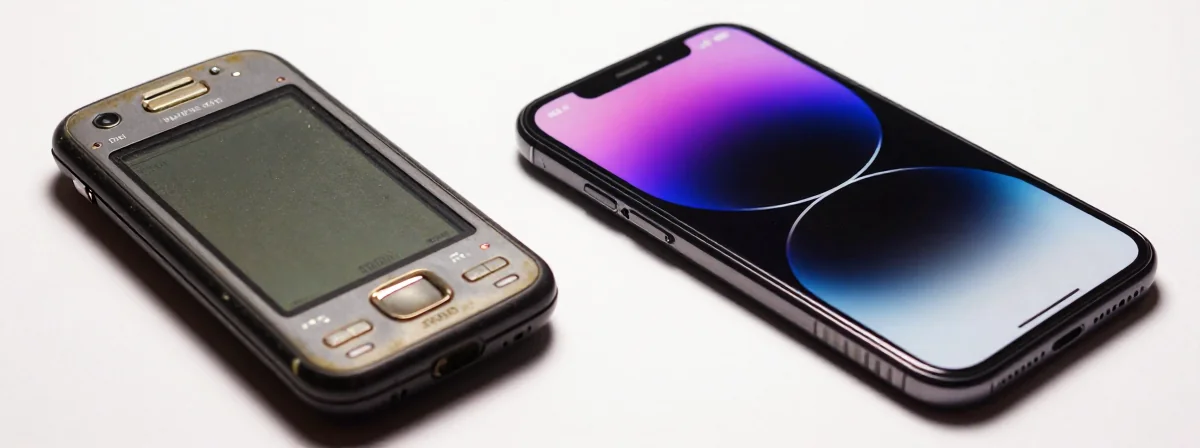
People keep asking me why upgrading phones feels so… unnecessary these days. The hype cycles are louder than ever, yet the devices in our hands often feel like refinements rather than revolutions. Here’s the thing nobody’s talking about—the market has quietly bifurcated into two distinct paths, each serving different needs.
Finding Center
SIDE A: The Stagnation Path The familiar territory of flagship phones from established players has become a cycle of incremental updates. The extra processing power sits untapped because battery technology hasn’t kept pace—most devices still hover around the 4,000–5,000 mAh range despite years of advancement. Operating systems grow more demanding while hardware improvements remain marginal. Camera upgrades now rely on software processing rather than true optical advancements. And the prices? They continue their steady climb without corresponding value increases. This ecosystem caters to those who value brand loyalty and ecosystem integration over tangible upgrades. Many users now keep their devices for 4–5 years, waiting for something truly compelling rather than succumbing to the upgrade pressure.
SIDE B: The Evolution Path Meanwhile, a different conversation is happening in markets where innovation isn’t stifled by brand inertia. Here, you’ll find devices with 7,000 mAh batteries in compact form factors, manufacturers pushing camera hardware beyond software tricks, and operating systems that respect user experience rather than demanding constant attention. These phones emerge from brands willing to challenge conventions—offering features like IR blasters, notification LEDs, and expandable storage that disappeared from the mainstream. The ecosystem here values functionality over forced obsolescence, serving users who measure worth by what their device can do rather than its price tag.
THE REAL DIFFERENCE Here’s what most people miss: the innovation gap isn’t about which phone has the higher megapixel count. It’s about which approach respects the user’s time and resources. The stagnation path thrives on creating artificial needs through software bloat and subscription models, while the evolution path focuses on hardware that lasts and software that serves. After years of watching both ecosystems, I’ve noticed that the most satisfied users aren’t those who upgrade frequently—they’re the ones whose devices meet their needs without demanding constant attention or replacement. The market’s bifurcation reveals a deeper truth: technology should serve humanity, not the other way around.
THE VERDICT If your needs center around ecosystem integration and brand consistency, the established players still offer the most seamless experience—just don’t expect to upgrade every year. But if you value tangible improvements and longer device lifecycles, the evolving alternatives deserve your attention. From experience, those who prioritize functionality over marketing respond best to the evolution path—devices that work harder for you, not the other way around. When a phone lasts 5 years because it was built to last rather than because you couldn’t justify an upgrade, you’ve found the true measure of technological value.
The Path Ahead
The market’s quiet bifurcation offers a refreshing perspective: technology at its best enhances our lives without demanding constant attention. Next time you feel the upgrade pressure, consider what your device actually does for you. The wisest technological choices often come from recognizing that less can be more—when what we have truly serves our needs without the noise of unnecessary innovation.