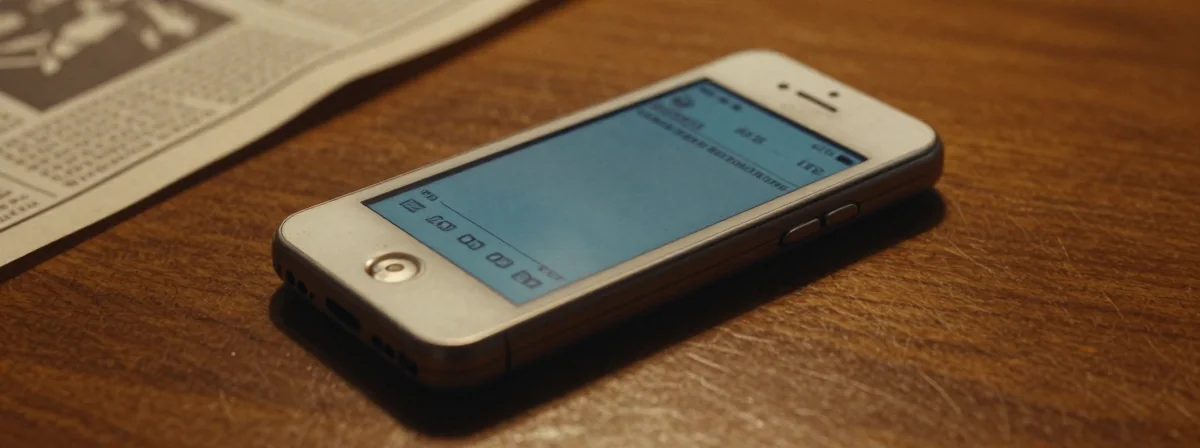
Some objects carry a weight that transcends their material worth. They become repositories of memory, time capsules of a moment when the future arrived in the palm of your hand. The original iPhone, released in 2007, wasn’t just a device — it was a cultural event. A revolution. And yet, decades later, stories surface of these early smartphones still functioning, tucked away in drawers, shelves, or even riverbeds. What does this say about technology’s resilience? And why do we cling to these relics of a bygone era?
The original iPhone wasn’t just a gadget; it was a promise. A sleek, touch-screen marvel that banished physical keyboards and ushered in an age of mobile internet. Today, as newer models cycle through our lives at breakneck speed, the idea that an iPhone from 2007 could still turn on and hold a charge feels almost mythical. But it’s not. It’s a testament to engineering, preservation, and the human tendency to hoard the meaningful.
Consider the case of the iPhone 3GS, often found in toolboxes or basement shelves. This model, released in 2009, was the first to support voice control and a faster processor. Yet, despite its age, many still function perfectly. The same goes for the iPhone 4 and 4S, which, despite battery degradation, often survive in drawers or recycling bins. What makes these devices endure when newer models falter?
How Do Old iPhones Still Work After All These Years?
The longevity of vintage iPhones isn’t accidental. It’s a combination of Apple’s build quality and the way owners treat them. The original iPhone, for instance, was built with aerospace-grade aluminum and glass, materials designed to last. When stored properly — away from moisture, extreme temperatures, and physical stress — these devices can defy the odds. Evidence suggests that many original iPhones still boot up today, some even running modern software thanks to jailbreaks or downgrades.
But it’s not just about hardware. The battery is often the first casualty of time. Yet, some users report that their old iPhones hold charge better than newer models. Why? Because newer iPhones, with their more complex components, are more susceptible to wear. The iPhone 4S, for example, is notorious for battery degradation, yet some original iPhones still perform admirably. This paradox highlights a truth: simplicity can outlast complexity.
The Sentimental Value of a Forgotten iPhone
Beyond functionality, old iPhones carry emotional weight. Many owners keep them as mementos — a tangible link to a time when technology felt new and revolutionary. The original iPhone, in particular, evokes nostalgia. People remember waiting in line, the excitement of unboxing it, the first time they swiped the screen. These devices become family heirlooms, passed down or preserved in totes with other sentimental items. They’re not just phones; they’re time machines.
Take the story of someone who kept their OG iPhone in a collection, downgraded to iOS 10 for nostalgia. Or the person who was first in line at the Providence Place mall, proud to have the first iPhone in Rhode Island. These aren’t just anecdotes; they’re proof of how deeply technology intertwines with personal history. The iPhone wasn’t just a product; it was a shared experience.
Lost in Time: The iPhones That Disappeared
Not all old iPhones survive in drawers or shelves. Some have met more dramatic fates. The iPhone 11 lost in the Danube, the 7+ at the bottom of the Baltic Sea, the 5S stolen in Amsterdam — these stories add a layer of dark humor to technology’s legacy. Yet, even in loss, there’s a lesson. We invest so much in these devices that their disappearance feels like a personal tragedy. It’s a reminder of how intertwined our lives are with technology, for better or worse.
Consider the iPhone 5S that went from Alicante to Morocco in a matter of hours, or the one stolen by a thief in Amsterdam. These incidents highlight how fragile our connection to these devices can be. One moment they’re in our hands; the next, they’re gone. Yet, the emotional response lingers. We mourn them, joke about them, and sometimes, miraculously, find them again — like the 5S recovered from a snowbank the day after it was lost.
The Revolution That Never Ends
The iPhone’s legacy isn’t just in what it did for technology; it’s in how it changed us. People became addicted to their phones, yet they still cherish the first one they owned. The original iPhone was so cool, so revolutionary, that even today, it feels like a piece of magic. It represented a shift in how we live, work, and connect. And that’s why we keep them, even when they’re obsolete.
The stories of old iPhones still working today aren’t just about gadgets; they’re about memory, identity, and the passage of time. They remind us that technology isn’t just about what’s new; it’s about what lasts. And sometimes, the most valuable tech is the one that still works, still matters, long after the next big thing has come and gone.
The Enduring Question: What Will We Keep Next?
As we upgrade, recycle, and lose our iPhones, we’re left with questions. What will future generations find in our drawers? Will they marvel at our devices, or will they wonder why we clung to them? The iPhone’s longevity isn’t just a technical achievement; it’s a human one. We designed them to be disposable, yet we refuse to let them go. That contradiction is the real story. It’s why the forgotten iPhone that still works today isn’t just an anomaly — it’s a symbol of our time.