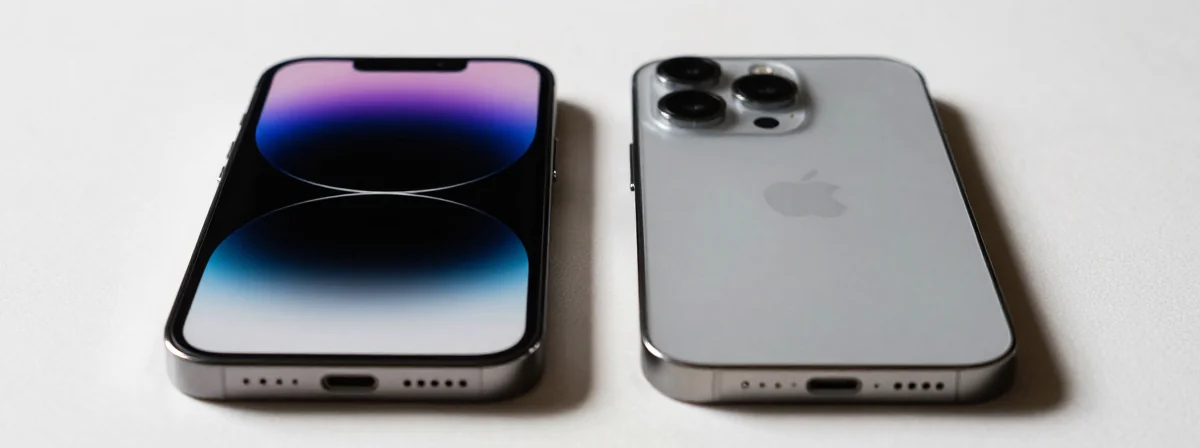
People keep asking me what’s actually changing with the iPhone notch—especially now that leaks are flying around. The debate isn’t just about aesthetics anymore; it’s about how these design shifts impact real-world use. Here’s the thing nobody’s talking about—the subtle engineering choices behind the hype.
Tech That Matters
SIDE A: THE CURRENT NOTCH (IPHONE 17) The iPhone 17’s notch is the familiar shape we’ve lived with for years—rounded corners with a defined gap between the Face ID scanner and camera array. It’s functional, even if some find it intrusive. The current design prioritizes sensor space over minimalism, which makes sense when you consider how many components need to fit in that tiny area. For most users, it’s just background noise—the Dynamic Island software tricks make it less jarring in daily use. If you’re happy with what you have now, the iPhone 17 still delivers the same reliable experience it always has.
SIDE B: THE LEAKED NOTCH (IPHONE 18) The alleged iPhone 18 notch looks like a refined evolution—not a revolution. The leaked CAD suggests a flatter body with subtly rounded corners and a tighter integration of the Face ID and camera modules. The gap between sensors appears smaller, and the overall shape is more oval than rectangular. This isn’t about shrinking the notch for its own sake; it’s about making better use of the space while maintaining functionality. For those who’ve been waiting for Apple to “do something” about the notch, this leak hints at incremental progress rather than a dramatic redesign.
THE REAL DIFFERENCE Here’s what most people miss—the Dynamic Island isn’t just a visual tweak; it’s a software solution for a hardware problem. The leaked iPhone 18 design doesn’t eliminate the notch; it optimizes it. The Face ID module appears to be nearly half as wide, which suggests Apple’s refining sensor tech rather than cutting corners. The black oval shape in the leak isn’t just for looks—it’s likely a software mask hiding the physical components. After using both for years, I can tell you that the difference won’t be in how much smaller the notch is, but in how seamlessly it integrates with the display and software. The thing nobody talks about is that Apple’s already displaying empty space as black—so shrinking the physical notch might not even change what you see on screen.
THE VERDICT From experience, if you’re bothered by the current notch, the iPhone 18 leak might feel like progress—but not enough to upgrade. If you’re doing heavy video calls or AR work, the refined Face ID could matter. But if you’re just browsing and texting, the iPhone 17 still hits the sweet spot. Here’s my take: go with the iPhone 18 only if you need the latest Face ID improvements. Otherwise, the iPhone 17’s proven design is the clear winner for now.
The Bottom Line
The notch evolution isn’t about chasing minimalism—it’s about squeezing more capability into less space. When the final iPhone 18 arrives, the real test won’t be how small the notch is, but how well it works alongside the software that makes it tolerable. Don’t get caught up in the leak hype; focus on what the notch enables, not just how it looks. The best choice is always the one that serves your daily needs, not the one that fits the latest aesthetic trend.