
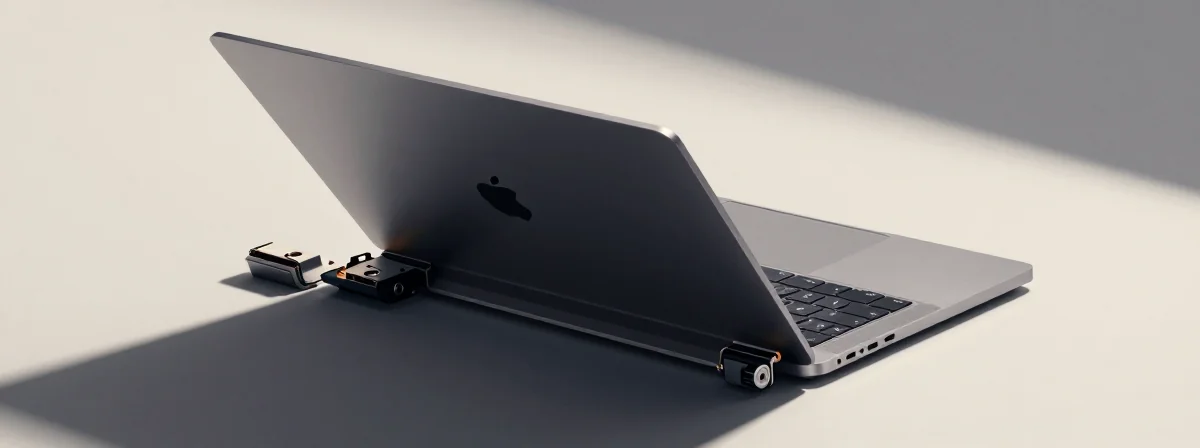
Apple’s latest MacBook has generated more buzz than usual, especially around its “most repairable” claims. But what’s really behind this shift? It’s not the altruistic move it appears to be, and understanding the full picture could save you hundreds in repairs down the line.
The reality is that Apple’s approach to repairability has always been about compliance and market strategy, not customer convenience. While the new MacBook does make some components more accessible, it’s still far from the open ecosystem many consumers expect. The recent changes come at a time when regulatory pressure and market demands are forcing Apple’s hand in ways they haven’t experienced before.
Take a look at the repair manual Apple published alongside this new model. It’s a 50-page document that reveals more about what’s still restricted than what’s been opened up.
Why Did Apple Suddenly Embrace Repairability?
The timing isn’t accidental. Apple’s shift toward more repairable designs comes as the European Union’s Right to Repair directive takes effect, requiring all portable devices to have user-replaceable batteries by mid-2027. This isn’t just about compliance—it’s about positioning Apple as a forward-thinking company before more stringent regulations hit globally.
What’s often overlooked is that the EU directive only explicitly mandates battery replaceability. The additional modularity in Apple’s new MacBook—separately replaceable keyboard, USB-C ports, and headphone jack—goes beyond what’s required. This suggests Apple sees an opportunity beyond mere compliance.
The Oregon legislation from 2024, which requires manufacturers to provide repair information and parts, also played a significant role. Apple’s response wasn’t born out of goodwill but rather a calculated move to avoid more restrictive laws that would impact their entire product line.
The Real Limitations of “Repairable”
Apple’s repair manual reveals some crucial details that marketing materials gloss over. While the back panel can be unscrewed relatively easily, part pairing remains a significant obstacle. This means that even with access to components, you still need to authenticate replacements through Apple’s system.
The keyboard, while separately replaceable for the first time in a decade, still requires specialized tools and procedures that most consumers won’t have at home. And while the battery is now more accessible, the adhesive strips that were previously the bane of MacBook repairs are only part of the problem—they never were the main issue.
What’s truly limiting is that this repairability applies only to the base model. Higher-end MacBook configurations remain as sealed as ever, suggesting Apple’s commitment to repairability is tiered based on price point and target market.
The Education Market Angle
One clear beneficiary of these changes is the education sector. School procurement professionals have noted that these more repairable MacBooks will be a “huge hit” for school systems. AppleCare agreements can now salvage more devices after classroom accidents, which directly impacts the total cost of ownership.
The design choices—removable keyboard, accessible ports, and more modular components—align perfectly with the needs of IT departments managing hundreds of devices. This isn’t about empowering individual consumers; it’s about capturing a lucrative institutional market that demands durability and maintainability.
School systems have been burned by previous MacBook models where keyboard failures and battery issues led to massive replacement costs. Apple’s new approach addresses these specific pain points while maintaining the premium aesthetic that schools value.
Performance vs. Repairability Trade-offs
It’s worth noting that Apple didn’t achieve this repairability without compromises. The new MacBook’s internals reveal a surprising amount of empty space, suggesting that space constraints weren’t the primary reason for previous designs’ inaccessibility.
The CPU board, for instance, is remarkably large compared to older models. This indicates that Apple could have made components more accessible earlier if they had prioritized repairability over sleek design. The current design represents a middle ground—a compromise that satisfies regulatory requirements while maintaining Apple’s signature aesthetic.
What’s particularly telling is that the repairability improvements come alongside a focus on RAM configurations that target budget-conscious buyers. The base model with 8GB RAM is positioned as sufficient for most users, a clear attempt to capture price-sensitive segments of the market.
The Software Reality Check
While hardware improvements get all the attention, the software experience remains a mixed bag. macOS Tahoe, released alongside this new hardware, has faced criticism for performance issues, memory leaks, and connectivity problems. These software shortcomings can negate many hardware advantages, especially for users who expect a seamless experience.
Developers and power users know to wait months after a new macOS release before upgrading, a pattern that continues with Tahoe. For a company touting hardware reliability, the software experience remains inconsistent—a critical factor for professionals who rely on their devices daily.
The interface changes in Tahoe, while visually distinct, have broken established design patterns that users have come to expect. This creates a learning curve that can impact productivity, especially for those who rely on muscle memory for common tasks.
What Competitors Are Missing
Apple’s approach to repairability stands in contrast to competitors who continue to prioritize sealed designs. Even as the EU pushes for more repairable devices, most manufacturers are finding ways to comply with the letter of the law while maintaining restrictive repair practices.
The MacBook’s accessible design, even with its limitations, sets a new standard that competitors will struggle to match. What’s particularly notable is Apple’s willingness to provide repair manuals and parts directly—a move that could pressure other manufacturers to follow suit.
For consumers who have long been frustrated by the difficulty and cost of repairing their devices, Apple’s changes represent a small but significant step forward. The real question is whether this represents a genuine shift in philosophy or a temporary adjustment to regulatory pressures.
The Bottom Line on Repairability
Apple’s new MacBook does represent a meaningful improvement in repairability, but it’s important to understand what that actually means. The most accessible components—battery, keyboard, ports—are those most likely to fail or need replacement in normal use. However, the underlying restrictions on part pairing and specialized requirements for replacements mean that true DIY repair remains out of reach for most consumers.
The most significant beneficiaries are institutional buyers and those who rely on AppleCare for repairs. For individual consumers, the improvements offer some peace of mind but don’t fundamentally change the high cost of Apple repairs.
What’s clear is that Apple’s approach to repairability is evolving—but not necessarily in the direction consumers most want. The company remains focused on controlled ecosystems and premium pricing, even as they make incremental improvements to repairability.
The real test will be whether these changes represent a permanent shift or a temporary adjustment to regulatory pressures. Given Apple’s history, bet on the latter. But for now, the more repairable MacBook offers a glimpse of what might be possible if manufacturers truly embraced right to repair principles.