
I’ve been using both personal apps and developer tools for years now. Back in the 90s, we didn’t have this clear distinction—we were all just building tools to get the job done, whether they were for ourselves or others. Here’s the thing nobody’s talking about when they promote their latest app—there’s a fundamental difference in how these tools are built and what they’re meant to accomplish.
What the Experts Know
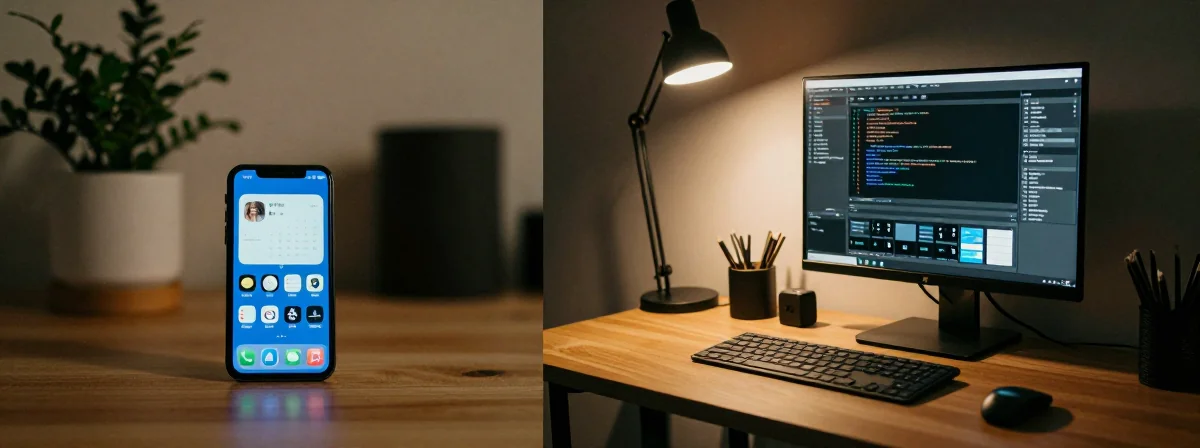
SIDE A Personal apps are built for immediate gratification. I remember when we first got GUIs in the early 90s—developers were rushing to create anything that had a window and buttons. These apps focus on solving one specific problem for one person. They’re often built quickly with whatever works, not necessarily what’s sustainable. The metrics that matter are clicks, usage time, and emotional response—not technical elegance or long-term maintainability.
SIDE B Developer tools, on the other hand, are built to last. I recall the days of C++ header files and Makefiles—those tools had to be precise, reliable, and efficient because they were the foundation for everything else. These tools prioritize precision, documentation, and extensibility. They’re designed to be used by others, so they need clear interfaces and predictable behavior. The metrics that matter are reliability, performance, and how well they integrate into existing workflows—not how “sticky” they are.
THE REAL DIFFERENCE Here’s what most people miss when they see a slick personal app versus a functional developer tool: the purpose of each dictates everything about its design. Personal apps are about creating an emotional connection—they need to be intuitive, visually appealing, and responsive to human needs. I remember when we first started adding animations to interfaces in the late 90s; it was revolutionary because it made apps feel more human. Developer tools, though, are about creating a technical connection—they need to speak the language of the system, not the user. After years of using both, I’ve learned that the best developer tools are the ones that get out of the way and just work, while the best personal apps are the ones that feel like an extension of yourself.
THE VERDICT From experience, if you’re building something for yourself or a small group of people with specific needs, go with the personal app approach. If you’re creating infrastructure or tools that others will depend on, B’s the clear winner. Here’s my take: focus on the right kind of polish for your tool. Don’t waste time making developer tools “pretty” or personal apps “perfect.” After using both for years, I’ve found that respecting the purpose of each leads to better outcomes every time.
Trust Me on This
The most successful tools I’ve built over my career were the ones where I clearly understood who the user was and what they needed. Don’t fall for the trap of trying to make everything appeal to everyone. Focus on the core purpose of your tool, and the rest will follow. Remember what worked in the 90s: build for the user, not for the market.